Fact Finder Tool
Discover insights, research, and information to help you navigate cancer-related topics with confidence.
Discover insights, research, and information to help you navigate cancer-related topics with confidence.
What you may have heard Exposure to lead causes cancer. What science tells us Lead is harmful, regardless of the type of lead exposure (breathing in, swallowing, or absorbing through the skin), but the body absorbs the highest levels of lead when it is inhaled (CDC). Lead is absorbed and stored in the bones, blood,…

What you may have heard With the introduction and increased use of Bluetooth technology, many people have been concerned about their long-term effects on cancer risk. What science tells us Because of the newness of this technology, researchers have not had enough time to study potential correlation between cancer and Bluetooth headphones. However, since the…

What you may have heard Smoking e-cigarettes or vaping can increase your risk of lung cancer. What science tells us These products are known by many names including e-cigs, vape pens, vaporizers, and electronic nicotine delivery systems (ENDS). They consist of a battery that turns the device on, a cartridge containing liquid (or “pod”), and…

What you may have heard Tobacco use is a leading cause of cancer and cancer death. It is also the biggest preventable cause of cancer. What science tells us All tobacco products, including cigarettes, cigars, pipe tobacco, chewing tobacco, and snuff contain poisonous substances, cancer-causing agents, and nicotine (a highly addictive substance). Cigarettes are the…

What you may have heard A disrupted sleep cycle reduces our body’s ability to function properly and decreases its ability to ward off cancer (Shafi et al.). What science tells us The World Health Organization (WHO) states that circadian disruption alone is a risk factor for cancer.“Circadian disruption” is defined as any change in sleep…

What you may have heard The Daily Mirror published a story in 2003 claiming that sitting too close to the TV for prolonged periods of time increases cancer risk. What science tells us Older TVs gave off low levels of radiation, but modern TVs are built with proper shielding, so people are protected from potential…

What you may have heard Obesity has been linked to various types of cancers. What science tells us Obesity or high body mass index (BMI) is a condition in which a person has an unhealthy amount and/or distribution of body fat. To measure obesity, researchers often use the BMI scale, which is determined by dividing…

What you may have heard Consuming burnt foods or burnt marshmallows increases the risk of developing cancer. What science tells us Marshmallows are composed of a majority of sugars. They are eaten alone, but sometimes are roasted over a fire to make s’mores. Many chemicals are found in burnt food including acrylamide, polycyclic aromatic hydrocarbons…

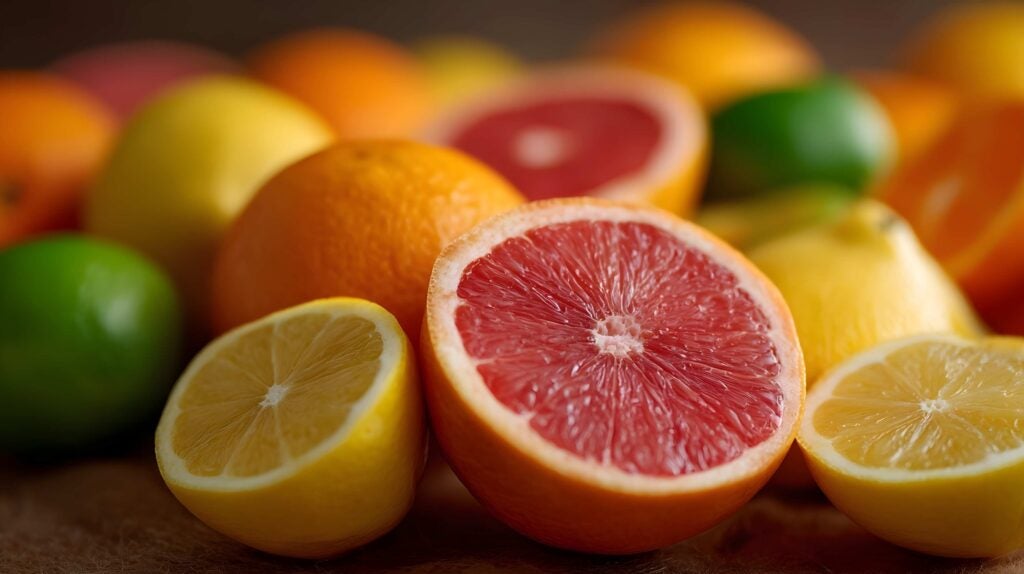
What you may have heard Given that cancer cells grow well in an acidic environment, many people have questioned whether a diet high in acidic foods can increase your risk of cancer. What the science tells us In chemistry, the pH scale is a measure for how acidic or basic a solution is. The pH…
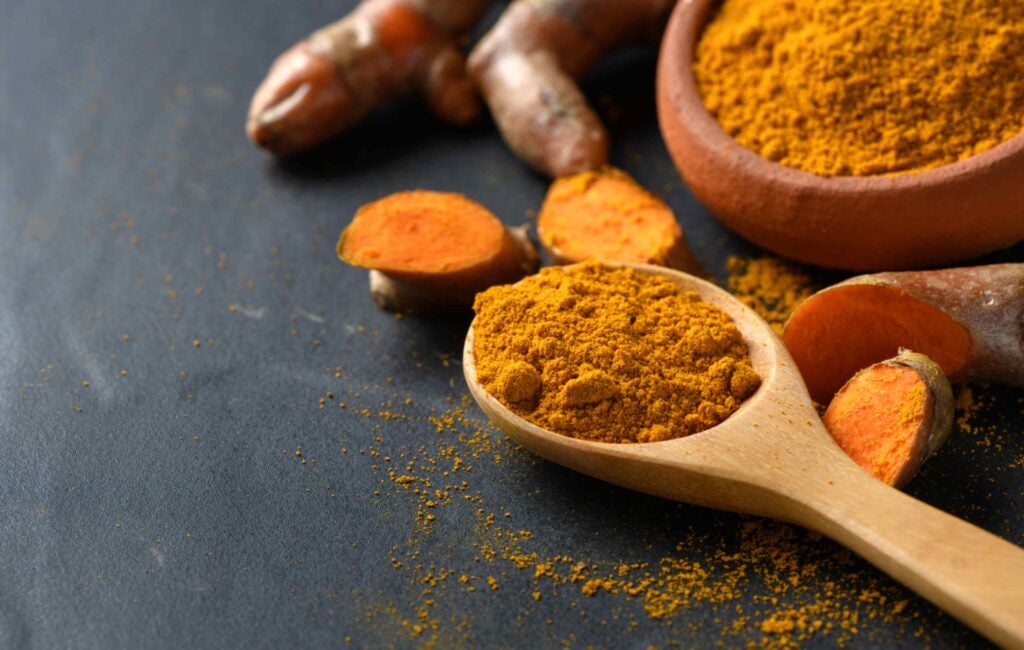
What you may have heard Curcumin has been touted as having antioxidant, antiviral, antibacterial, and anti-inflammatory properties. One of curcumin’s newer areas being studied are its possible anti-cancer properties. What science tells us Curcumin (the part of turmeric that gives it its vibrant color) has gained attention in the media as a potential anti-cancer therapy.…
What you may have heard Coffee consumption can increase your risk of cancer. What science tells us Epidemiological Evidence Coffee drinking is not a cause of breast, pancreatic, or prostate cancer and may even reduce the risk of endometrial, head and neck, colorectal, and liver cancers (ACS) . There is also evidence that drinking coffee…

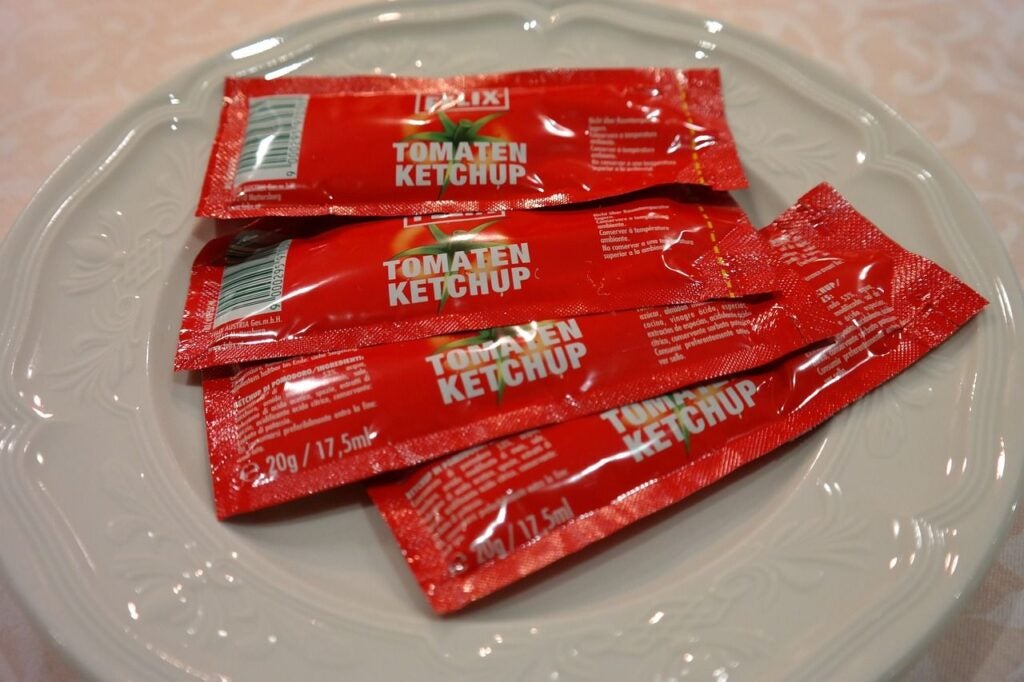
What you may have heard Ketchup contains high-fructose corn syrup and MSG for flavoring and sweetness. You may have heard these ingredients cause cancer. What the science tells us Numerous studies have shown that high-fructose corn syrup is harmful to your health, increasing your risk of weight gain, type 2 diabetes, metabolic syndrome, and high…