Fact Finder Tool
Discover insights, research, and information to help you navigate cancer-related topics with confidence.
Discover insights, research, and information to help you navigate cancer-related topics with confidence.
What you may have heard A story from 2013 of a 10-year-old girl with extreme stomach distress became front-page news after her physician attributed her sickness to eating spicy chips. The physician said that the harsh chemicals in these chips cause corrosion in the throat and stomach, causing stomach ulcers and potentially throat cancer. What…

What you may have heard You may have heard that acrylamide (an ingredient in some foods) increases cancer risk. What science tells us Acrylamide is a chemical that is used in industrial processes, such as the production of paper, dyes, and plastics, and consumer products, such as food packaging and adhesives. Acrylamide is also found…
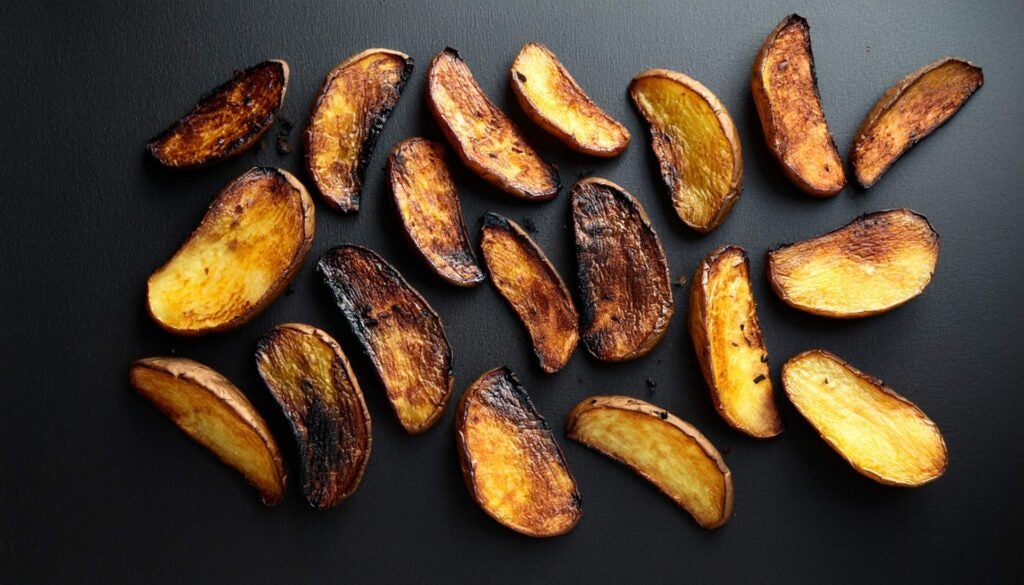
What you may have heard Products that contain palm oil, namely hazelnut spreads, are one of the most recent foods to be flagged as potentially carcinogenic. What science tells us Products containing palm oil, which can contain 3-Monochloropropane-1,2-diol esters (3-MCPD) and glycidyl esters (GE), have been flagged as possibly carcinogenic but only when heated 392…

What you may have heard Aspartame consumption can cause cancer. What science tells us With rising competition to make food sweet and appealing, as well as lower in calories, many companies switched from normal sucrose (table sugar) to sugar substitutes or artificial sweeteners like aspartame, one of the most widely used artificial sweeteners. Aspartame is…

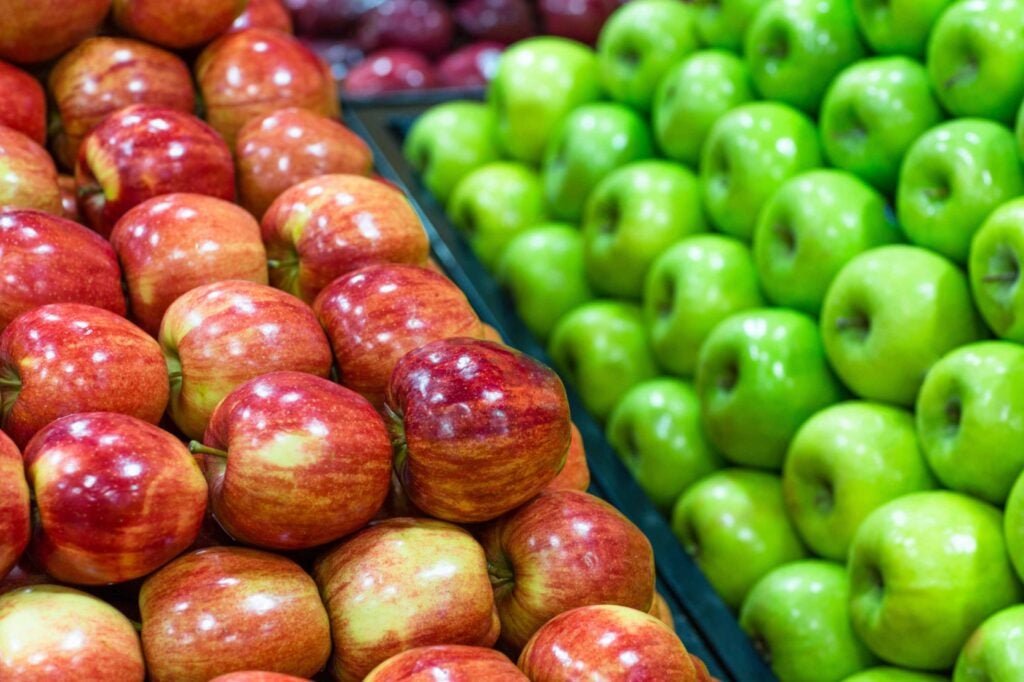
What you may have heard Consuming the wax on fruits and vegetables can increase your risk of developing cancer. What science tells us Fruit wax, which is highly diluted, contains fungicides to inhibit mold growth, sugar cane, beeswax, carnauba wax, and resins. Epidemiological Evidence Chemicals such as pesticides associated with fruit production may contain carcinogens,…
What you may have heard Alcohol consumption increases your risk of cancer. What science tells us Alcoholic beverages containing ethanol are considered to be psychoactive substances by the WHO (WHO). It can cause harmful effects on the body. Alcohol consumption leads to a buildup of acetaldehyde, which is a toxic byproduct of ethanol (pure alcohol).…

What you may have heard Consuming high-fat diets decrease cancer risk. What science tells us The notion that high fat diets decrease cancer risk stems from early research on diet and cancer. Countries with high “healthy fat” intake, such as countries along the Mediterranean Sea, have lower rates of cancer. But after further study, the…

What you may have heard Consuming MSG increases your risk of cancer. What science tells us MSG is one of the most common food additives. Generally, MSG gives an umami (meat-like) scent and is often added to savory foods to improve their taste and smell (Niaz et al.). Epidemiological Evidence MSG has been thoroughly researched,…

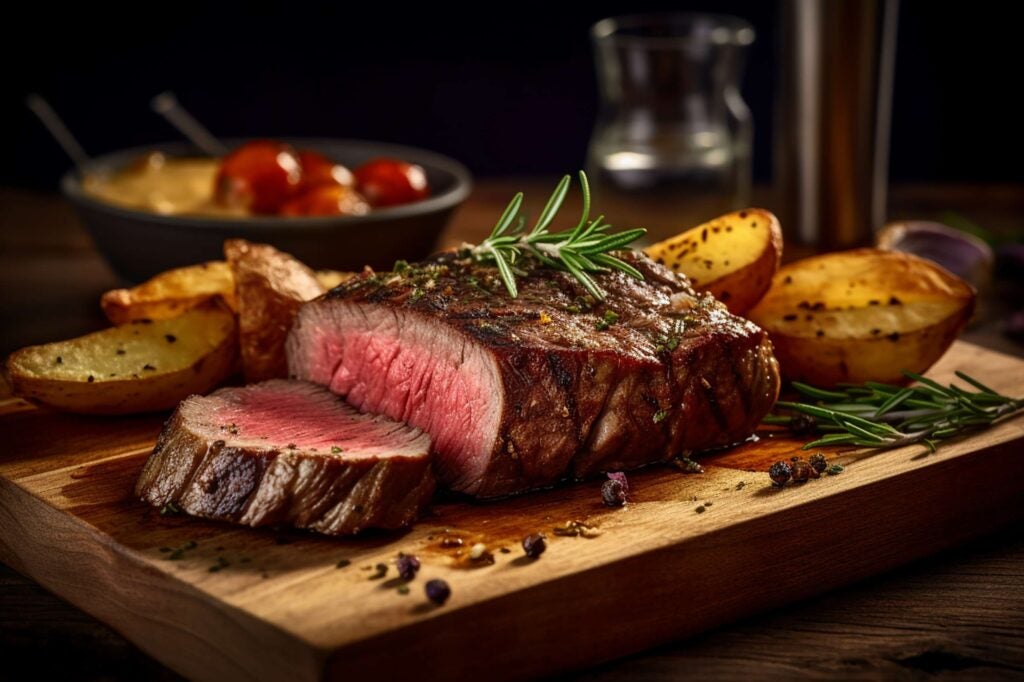
What you may have heard Eating charred or burnt meat can increase your risk of cancer. What science tells us Charring or burning meat, poultry, or fish over high temperatures causes heterocyclic amines (HCAs) to form. Meat that is cooked above 300 ºF and for a long period of time causes HCAs to form (NCI).…

What you may have heard Consumption of processed meats can increase the risk of cancer. What science tells us Processed meat has been changed through curing, smoking, salting, fermentation, or other processes to help preserve it or enhance flavor. Processed meats are most commonly made of pork or beef, such as bacon, sausage, ham, bologna,…

What you may have heard High red meat consumption increases the risk of developing cancer. What science tells us In 2015, the International Agency for Research on Cancer (IARC) concluded that red meat is a group 2A carcinogen, meaning that it has the potential to cause cancer in humans, based on evidence for increased risk…