Fact Finder Tool
Discover insights, research, and information to help you navigate cancer-related topics with confidence.
Discover insights, research, and information to help you navigate cancer-related topics with confidence.
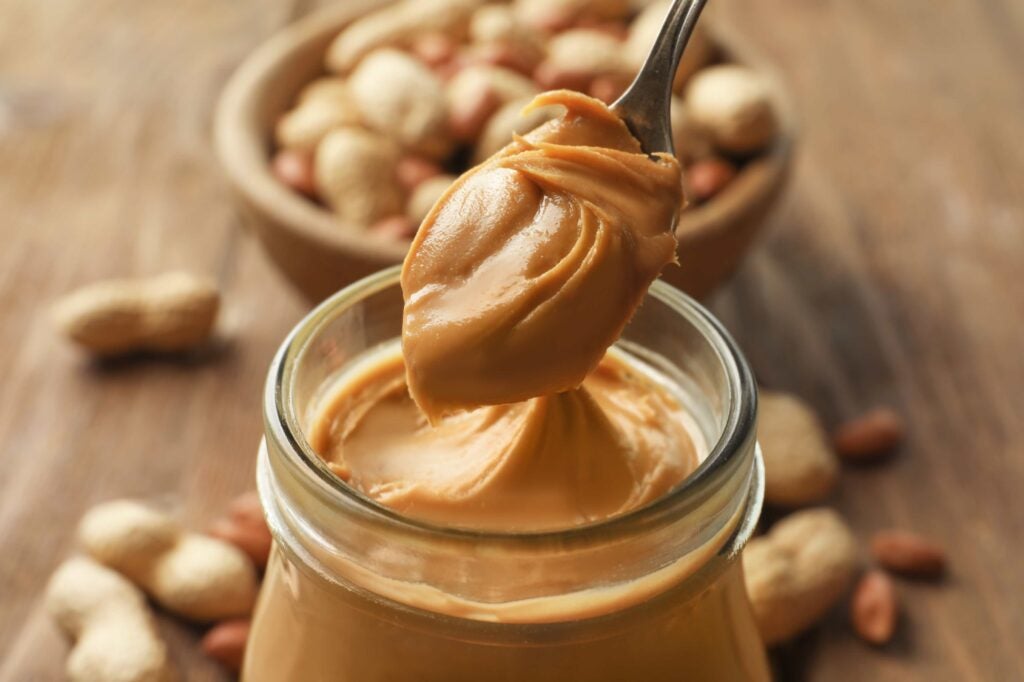
What you may have heard Peanut butter consumption can increase your risk of cancer due to potential aflatoxin contamination. What the science tells us Aflatoxins are a family of carcinogenic compounds produced by mold and can be found on various crops, including peanuts, tree nuts, and corn. If contaminated peanuts are used in production, aflatoxins…
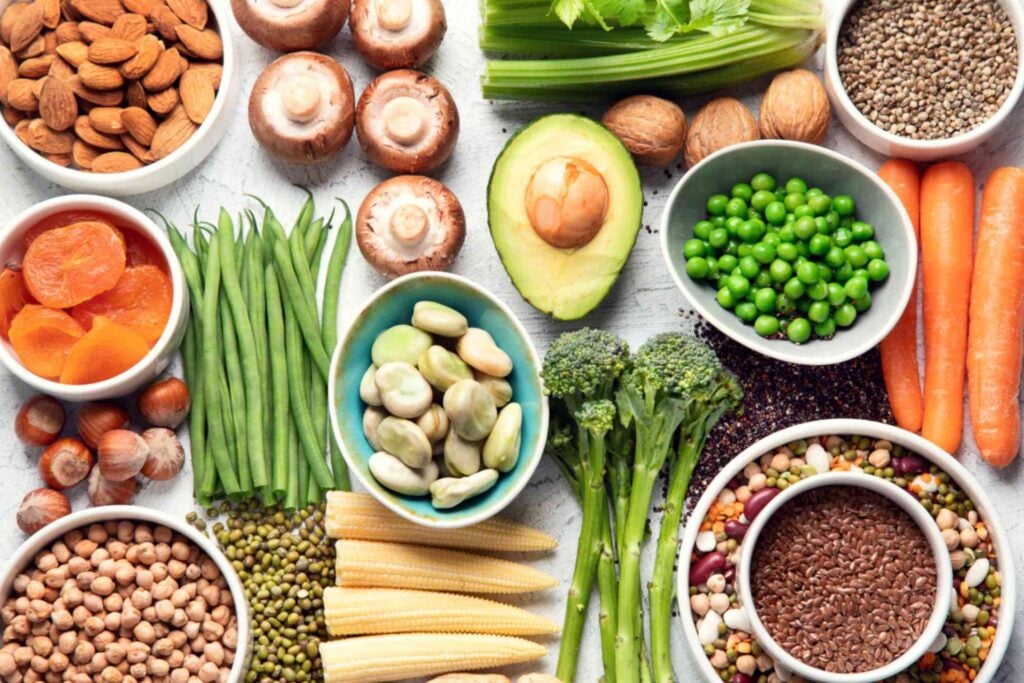
What you may have heard Adhering to a vegetarian diet can reduce your risk of developing cancer. What the science tells us Plant-based foods are rich in vitamins, minerals, and antioxidants that support overall health. They contain phytochemicals, naturally occurring compounds found in fruits, vegetables, beans, nuts, grains, and seeds, that may help decrease cancer…
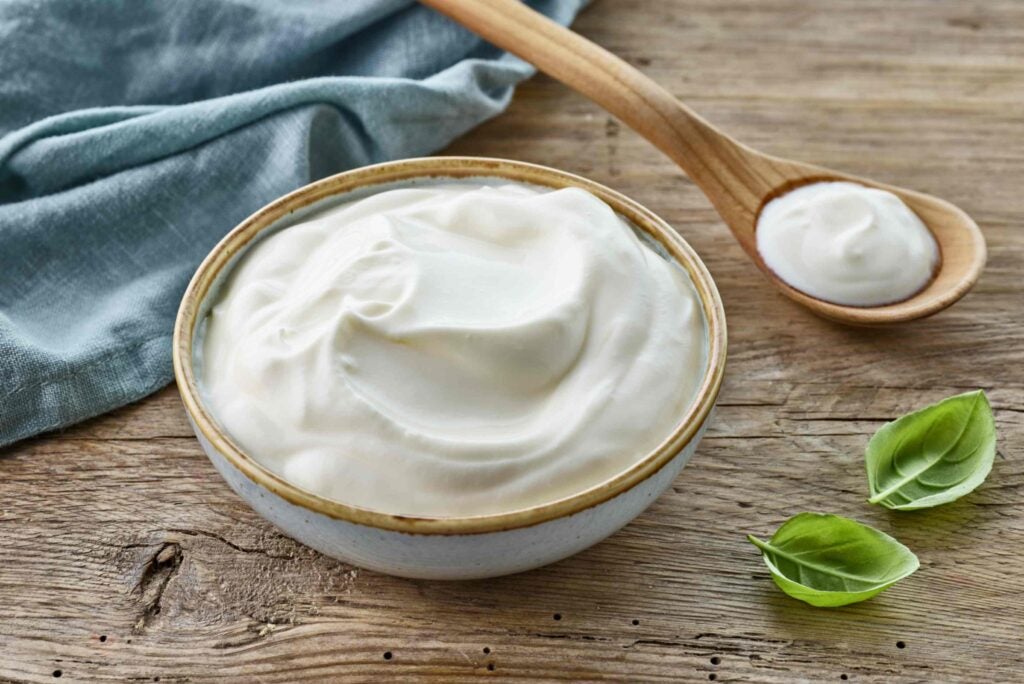
What you may have heard Frequent yogurt consumption may decrease your risk of colorectal cancer. What the science tells us Yogurt contains beneficial bacteria that support a healthy gut microbiome, which, according to the National Cancer Institute (NCI), may help slow cancer development and improve response to cancer therapies. Recent studies suggest that long-term yogurt…
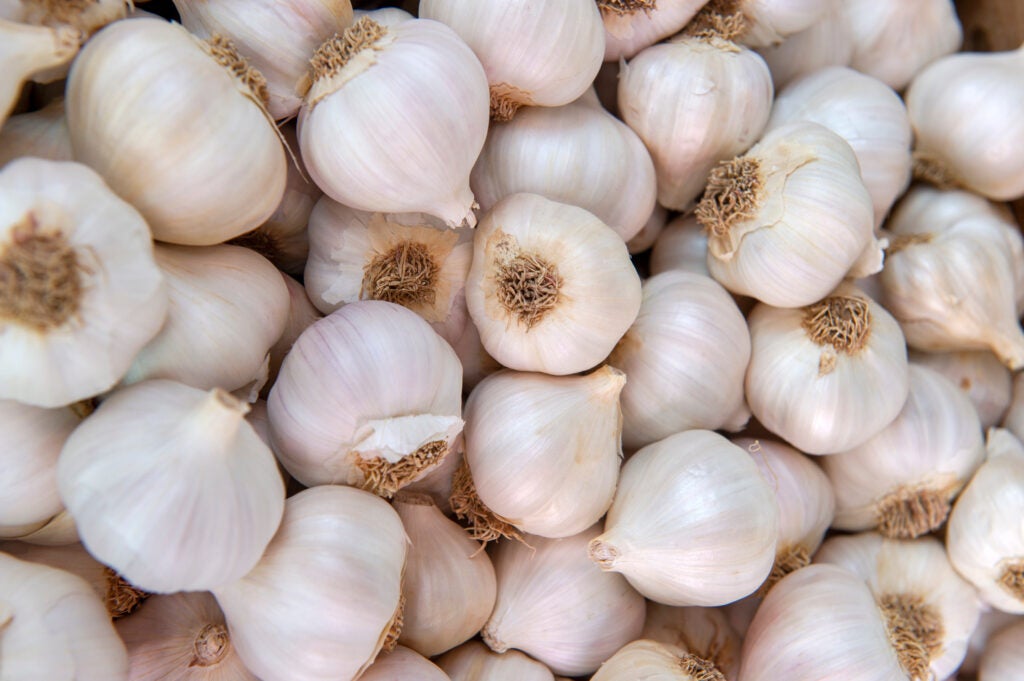
What you may have heard Eating garlic can lower your risk of developing gastrointestinal cancers. What the science tells us Garlic contains naturally occurring allium compounds that may slow cancer development by supporting healthy cell function and affecting processes involved in tumor growth. Laboratory research suggests that garlic may reduce the risk of certain gastrointestinal…
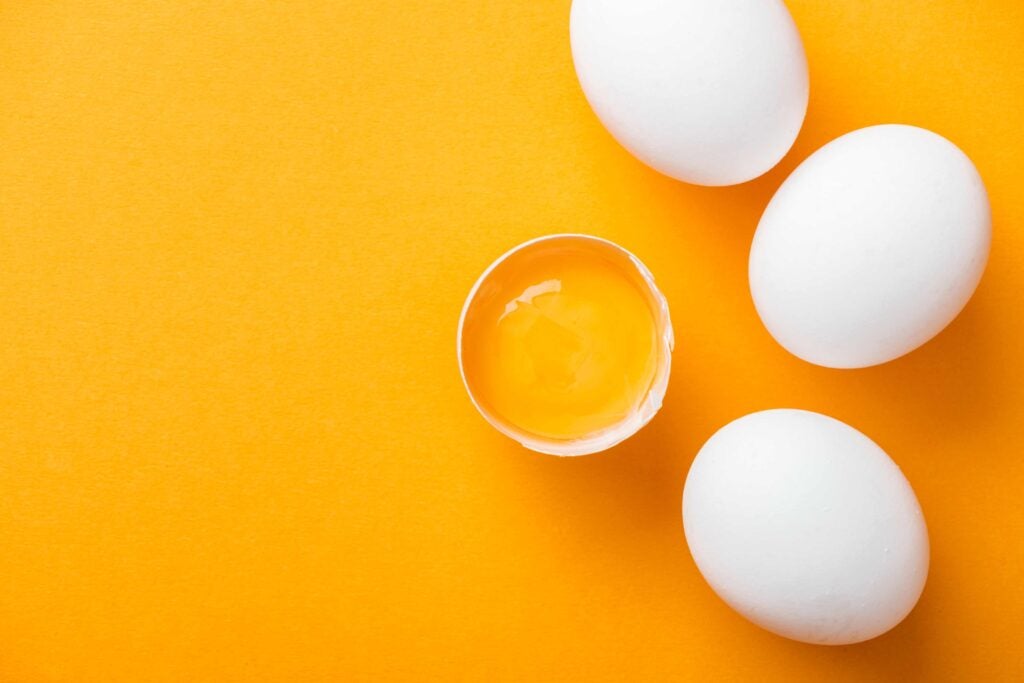
What you may have heard Frequent egg consumption can increase your risk of cancer. What the science tells us Eggs support overall health and are a key source of protein, fat, vitamins, and minerals. They also contain high levels of cholesterol and their relationship with heart health remains debated. Concerns about cancer risk stem from…
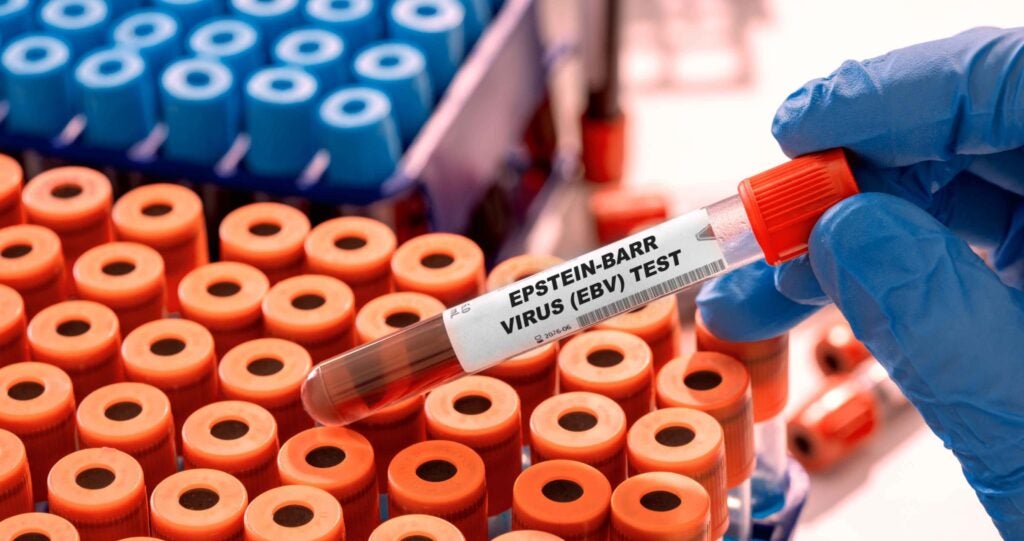
What you may have heard People who have or have had Epstein-Barr virus are at an increased risk of developing certain cancers. What the science tells us Epstein-Barr virus (EBV) is the infection that causes mononucleosis. According to the CDC, 9 out of 10 adults have antibodies showing that they have or have had EBV…
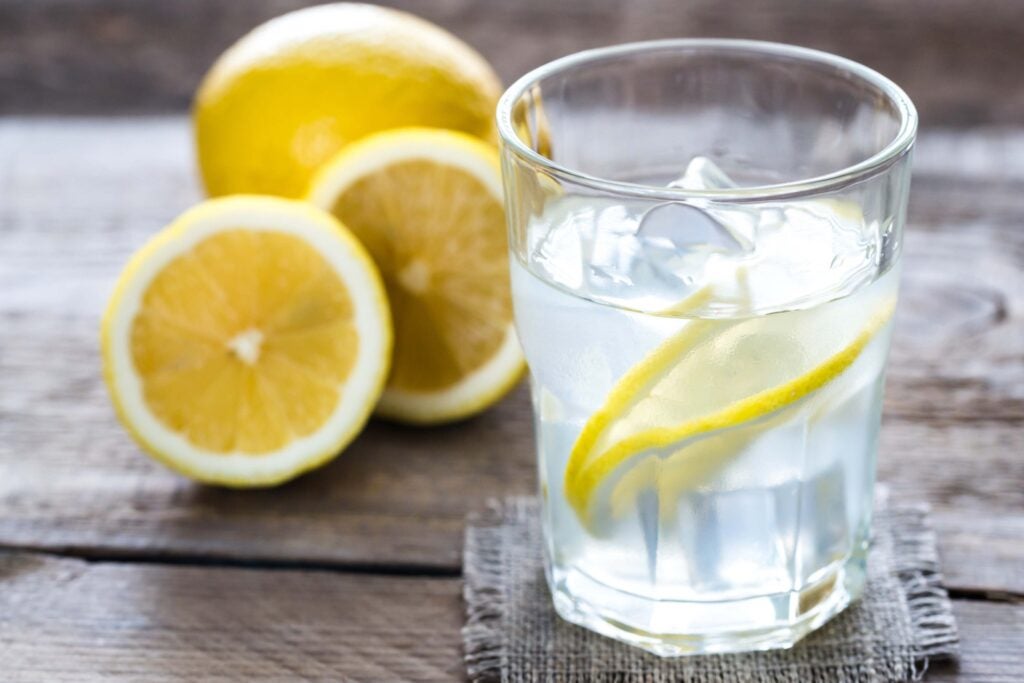
What you may have heard Frequent consumption of hot lemon water is rumored to prevent or cure cancer. What the science tells us There is no scientific evidence that lemon water has anti-cancer properties. Lemons contain Vitamin C and other antioxidants, which are good for overall health, but no studies show that drinking lemon water,…
What you may have heard Some claim that kombucha, a fermented tea drink, can prevent or even cure cancer due to its potentially detoxifying and immune-boosting effects. What the science tells us Kombucha is made by adding a Symbiotic Culture of Bacteria and Yeast (SCOBY) to fermented sweetened tea. While kombucha contains probiotics and antioxidants…

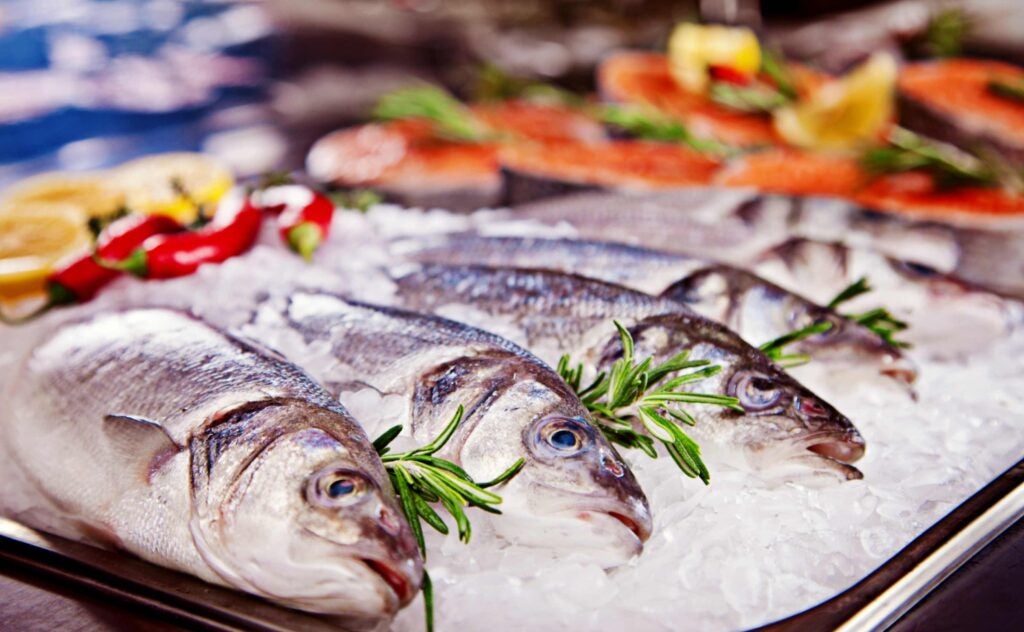
What you may have heard Frequent consumption of fish can put you at a higher risk of developing melanoma. What the science tells us Fish is widely recommended in dietary guidelines as a valuable source of protein, heart-healthy omega-3 fatty acids, and other essential nutrients. Despite these benefits, some studies have explored a possible link…
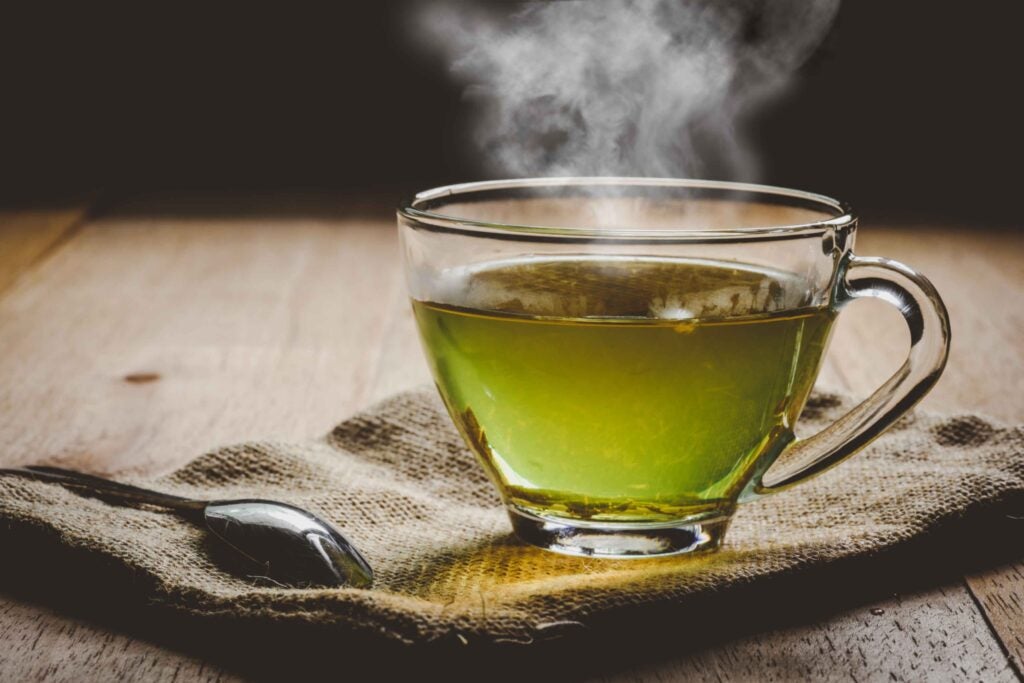
What you may have heard Some people claim that frequently drinking green tea can prevent cancer. What the science tells us Green tea is often seen as a healthy beverage because it contains antioxidants and has anti-inflammatory effects. While animal studies suggest that compounds in green tea may slow the growth of cancer cells, epidemiological…
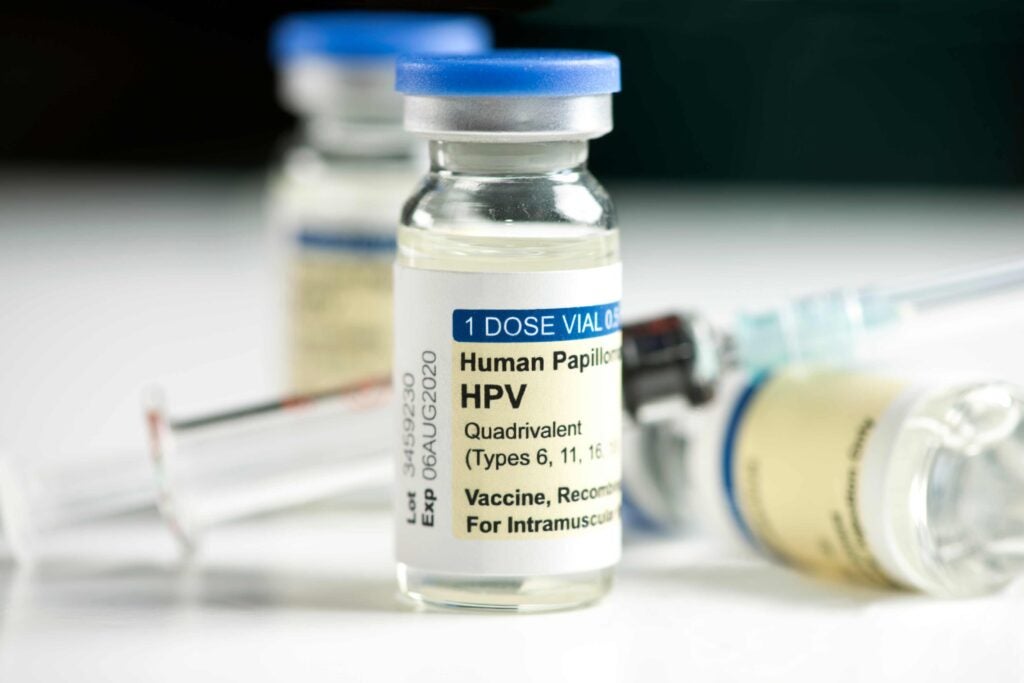
What you may have heard Claims have circulated on social media suggesting that the Human Papillomavirus (HPV) vaccine, Gardasil 9, causes cancer. These claims often stem from general vaccine misinformation and misunderstandings about how the vaccine works. In fact, the HPV vaccine is highly effective in preventing cancer. What the science tells us Gardasil was…
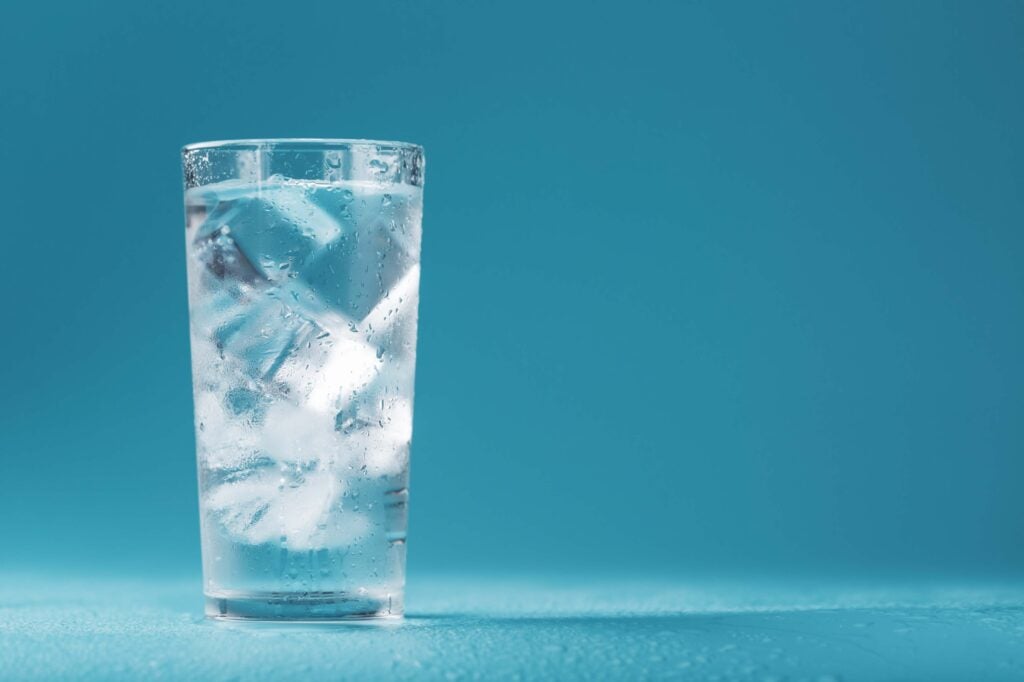
What you may have heard Over a decade ago, a claim circulated on social media that drinking cold water after a meal causes cancer. The basis of the claim is that cold water supposedly solidifies fats in the stomach, creating a “sludge” that lines the intestines, eventually turning into fat deposits and causing cancer. What…