Fact Finder Tool
Discover insights, research, and information to help you navigate cancer-related topics with confidence.
Discover insights, research, and information to help you navigate cancer-related topics with confidence.
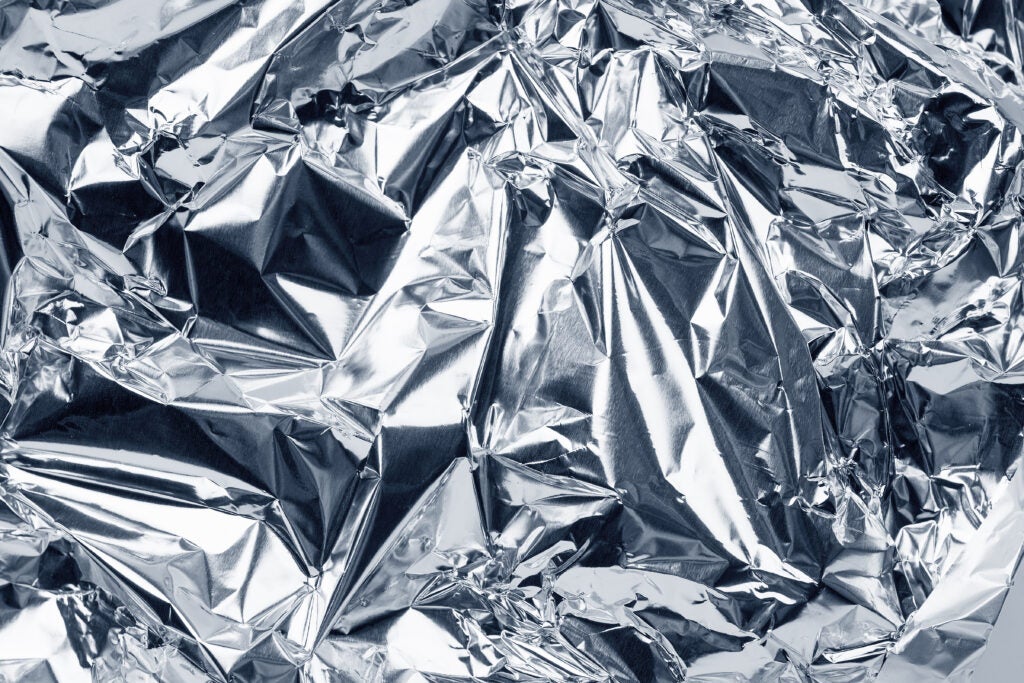
What you may have heard Concerns have been raised that when you cook food in aluminum foil, the aluminum can seep into the food and may be linked to cancer and other health issues. What the science tells us Aluminum foil is generally considered safe for cooking. While it is true that small amounts of…
What you may have heard Concerns have been circulating that sunscreen products contain harmful chemicals that can increase your risk of skin cancer. What the science tells us Using sunscreen does not increase your risk of cancer. In fact, sunscreen is essential for protecting your skin from ultraviolet (UV) radiation, which can damage the DNA…

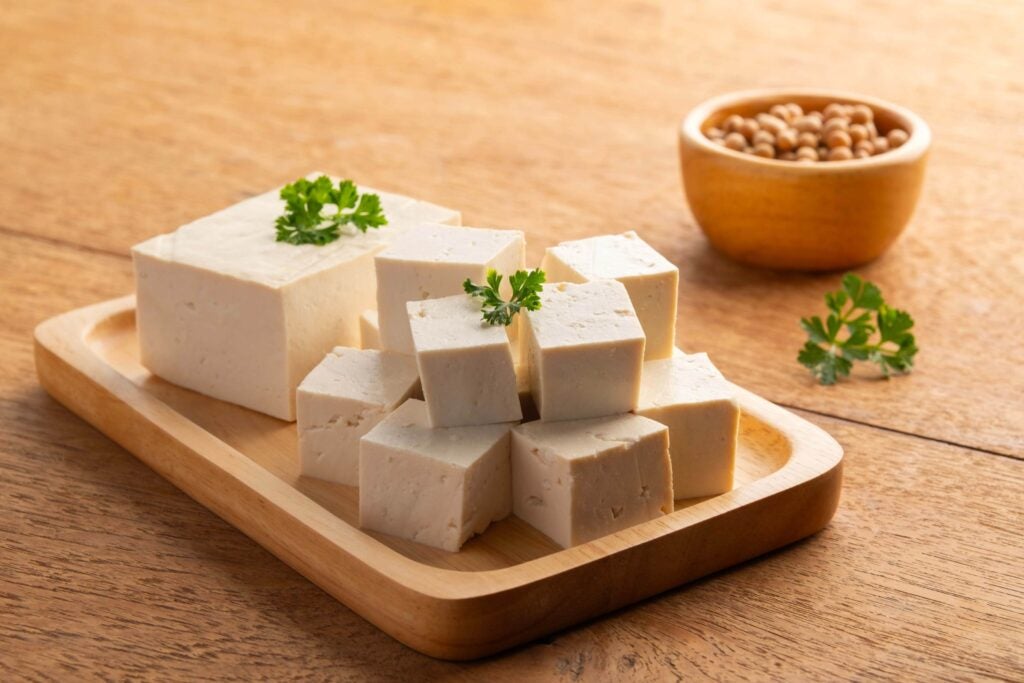
What you may have heard Soy contains phytoestrogens, plant-based compounds including isoflavones, that can weakly mimic estrogen in the body. This has raised concerns that consuming soy products can increase your risk of breast cancer. What the science tells us Epidemiological Evidence Current evidence strongly suggests that soy does not cause breast cancer. In fact,…
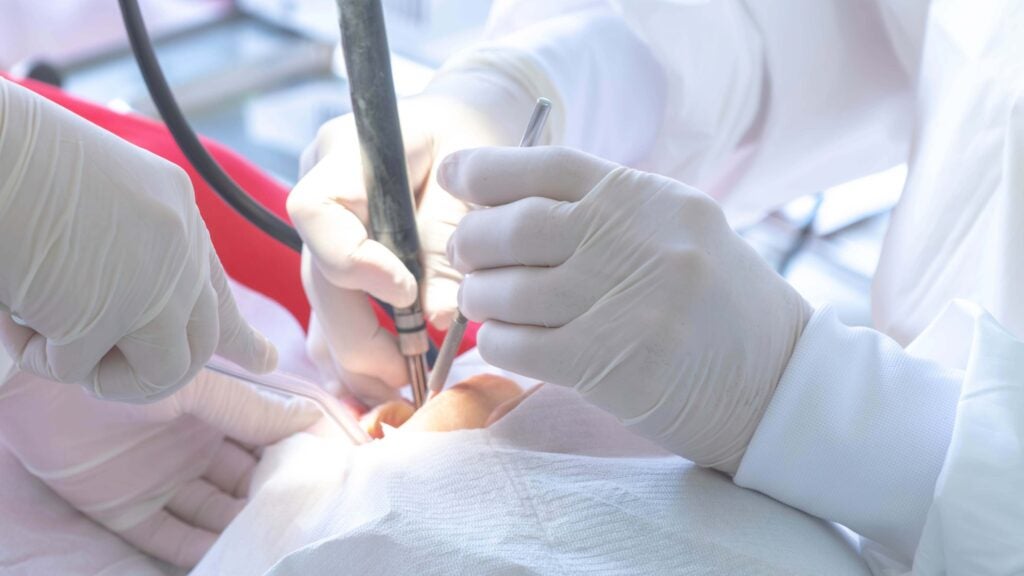
What you may have heard Bacteria left behind during a root canal procedure can release toxins into the bloodstream and lead to cancer. This idea has gained attention through online forums and alternative health documentaries. What the science tells us Root canals are not linked to cancer. This myth originated from a discredited theory over…
What you may have heard Some claim that kombucha, a fermented tea drink, can prevent or even cure cancer due to its potentially detoxifying and immune-boosting effects. What the science tells us Kombucha is made by adding a Symbiotic Culture of Bacteria and Yeast (SCOBY) to fermented sweetened tea. While kombucha contains probiotics and antioxidants…

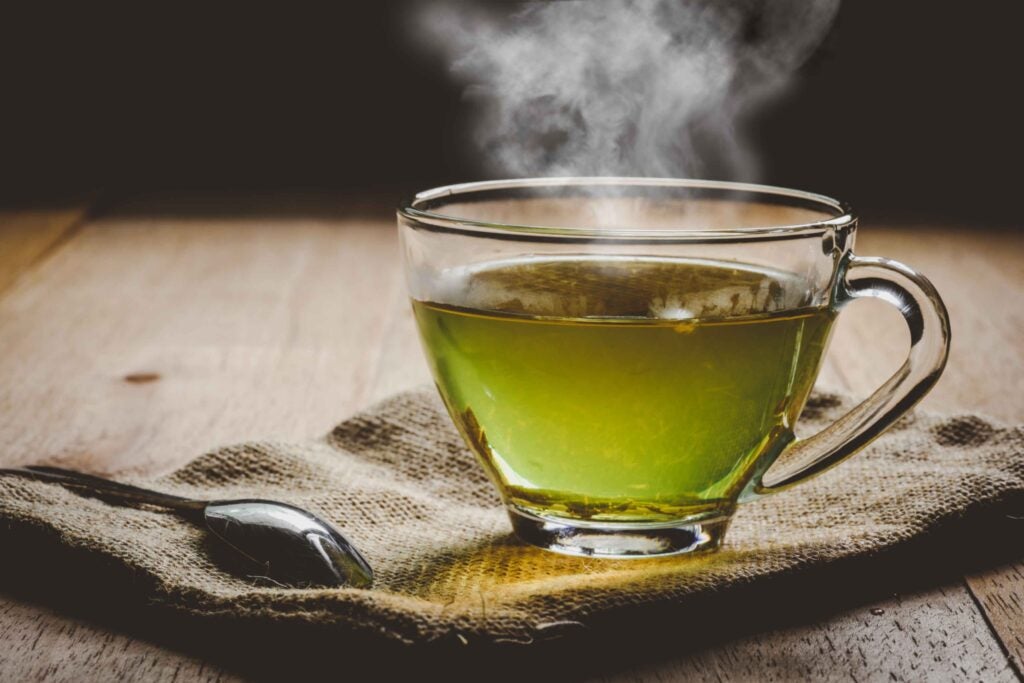
What you may have heard Some people claim that frequently drinking green tea can prevent cancer. What the science tells us Green tea is often seen as a healthy beverage because it contains antioxidants and has anti-inflammatory effects. While animal studies suggest that compounds in green tea may slow the growth of cancer cells, epidemiological…
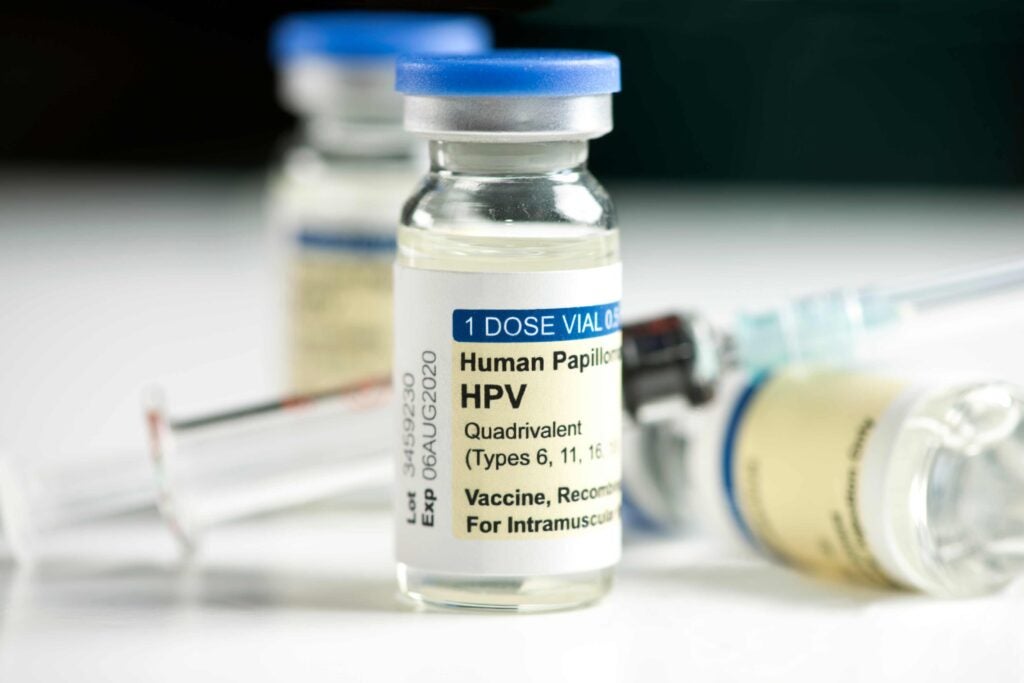
What you may have heard Claims have circulated on social media suggesting that the Human Papillomavirus (HPV) vaccine, Gardasil 9, causes cancer. These claims often stem from general vaccine misinformation and misunderstandings about how the vaccine works. In fact, the HPV vaccine is highly effective in preventing cancer. What the science tells us Gardasil was…
What you may have heard People say that using a sauna can raise your cancer risk. The worry is that repeated high heat might damage tissues and lead to cancer. What science tells us There is no established mechanism or agency classification linking sauna bathing itself to cancer. By contrast, drinking very hot beverages (over…

What you may have heard You might have heard that sugar directly feeds cancer cells and causes cancer to grow and spread more quickly. What science tells us Epidemiological Evidence: Research shows that while all cells in our body, including cancer cells, use sugar (glucose) as a source of energy, sugar does not specifically “feed”…
What you may have heard The Rife machine can cure cancer by using electromagnetic frequencies that target and destroy cancer cells. What science tells us The Rife machine, developed by Royal Raymond Rife in the 1920s, is a device that generates low electromagnetic energy waves, similar to radio waves. Proponents claim that these waves can…

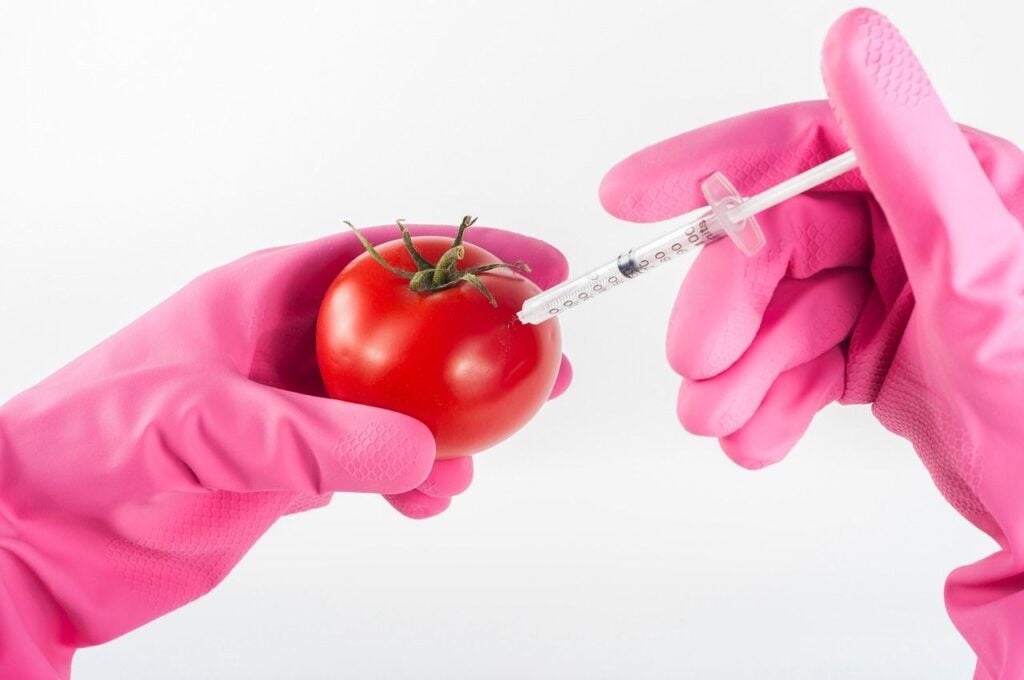
What you may have heard Consuming genetically modified foods increases the risk of developing cancer. What the science tells us Epidemiological Evidence Laboratory Evidence/Supporting Evidence IARC Carcinogen Classification: not classified. How to reduce your risk Genetically modified foods are considered safe and are not likely to increase your risk of cancer. However, if you would…
What you may have heard Colon cleansing can lower the risk of colorectal cancer by removing toxins and waste from the colon. What the science tells us The colon, an integral part of the digestive system, is responsible for absorbing water, salts, and nutrients from ingested food before expelling solid waste. It plays a vital…