Fact Finder Tool
Discover insights, research, and information to help you navigate cancer-related topics with confidence.
Discover insights, research, and information to help you navigate cancer-related topics with confidence.
What you may have heard Exposure to per- and polyfluoroalkyl substances (PFAS), such as PFOA and PFOS, might increase your risk of cancer. What the science tells us PFOA (Perfluorooctanoic Acid) and PFOS (Perfluorooctane Sulfonate) are part of a larger group of man-made chemicals known as per- and polyfluoroalkyl substances (PFAS). These chemicals have been in…
What you may have heard Concerns have been raised that when you cook food in aluminum foil, the aluminum can seep into the food and may be linked to cancer and other health issues. What the science tells us Aluminum foil is generally considered safe for cooking. While it is true that small amounts of…
What you may have heard Concerns have been circulating that sunscreen products contain harmful chemicals that can increase your risk of skin cancer. What the science tells us Using sunscreen does not increase your risk of cancer. In fact, sunscreen is essential for protecting your skin from ultraviolet (UV) radiation, which can damage the DNA…
What you may have heard Smart and fitness watch bands may contain cancer-causing “forever chemicals” known as PFAS (per- and polyfluoroalkyl substances). These are used in bands made of fluoroelastomer, a kind of synthetic rubber resistant to dirt, water, sweat, and oil. There is growing concern that PFAS in watch bands may be absorbed through…

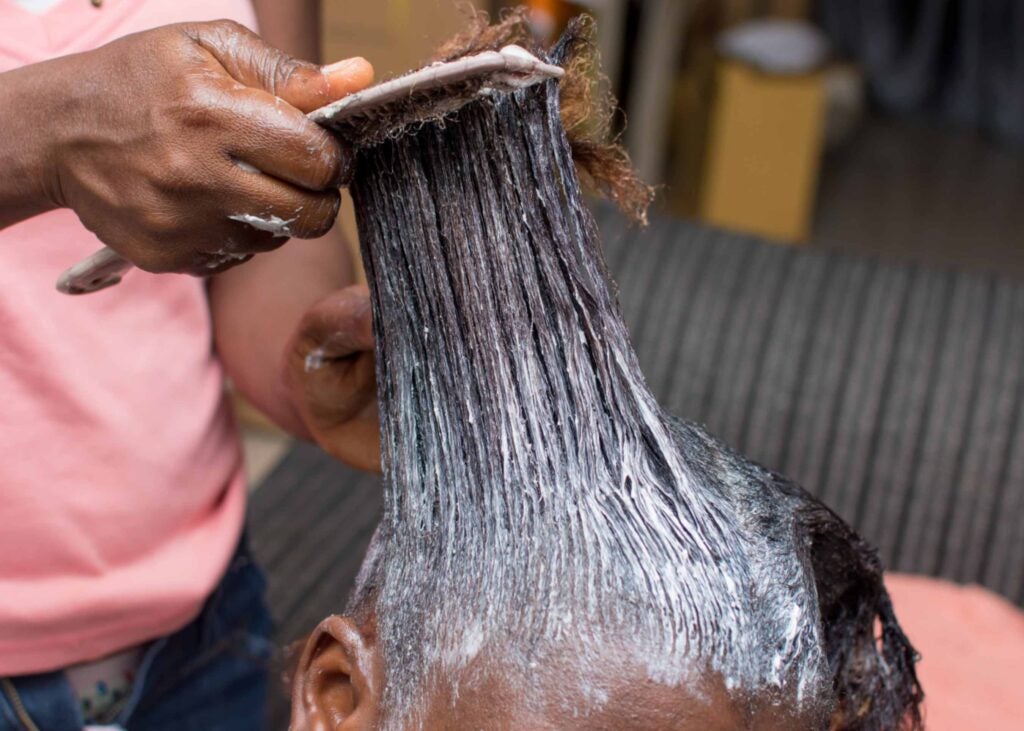
What you may have heard Chemical hair products used to straighten curly or wavy hair may increase your risk of hormone-related cancers. What the science tells us Chemical hair straighteners, also called hair relaxers, have been linked to uterine and ovarian cancers, with exposure greatest among Black women. These products may contain endocrine disrupting chemicals…
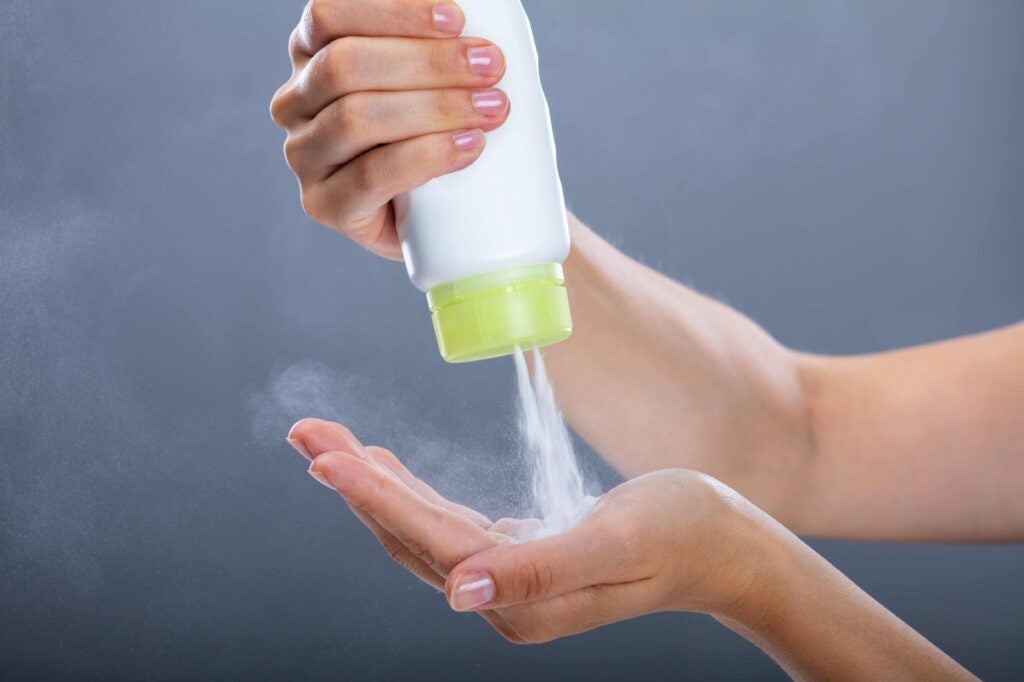
What you may have heard Many people believe that using talcum powder increases cancer risk such as ovarian cancer. Some lawsuits and public concerns center on possible asbestos contamination and inflammation caused by talc itself. What science tells us Asbestos-contaminated talc is classified by IARC as Group 1 (carcinogenic to humans). Even talc not known…
What you may have heard Herbal products containing Aristolochia (or related plants) can cause cancer. People worry because these products have been linked to kidney damage and cancers of the urinary tract. What science tells us Aristolochic acids are naturally occurring compounds in some Aristolochia species. Major agencies classify Aristolochic acids as human carcinogens, and…

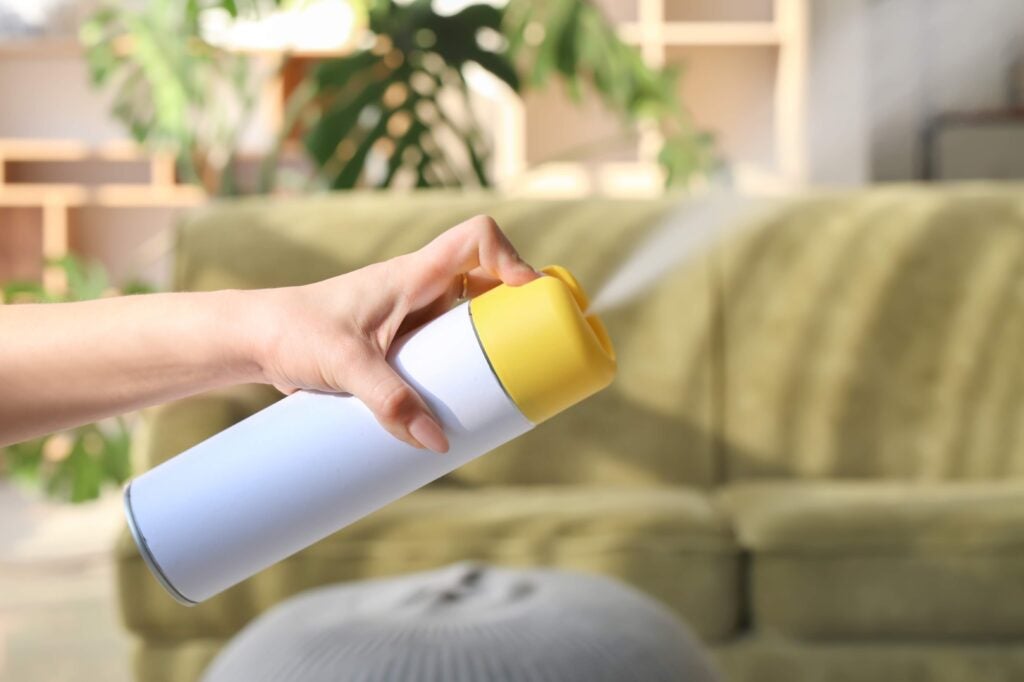
What you may have heard People say that using air fresheners at home can raise cancer risk. The concern is that these products release chemicals like VOCs, formaldehyde, and 1,4-dichlorobenzene (EPA). What science tells us Air fresheners and other fragranced products emit VOCs. Some VOCs found indoors, including formaldehyde and benzene, are classified by major…
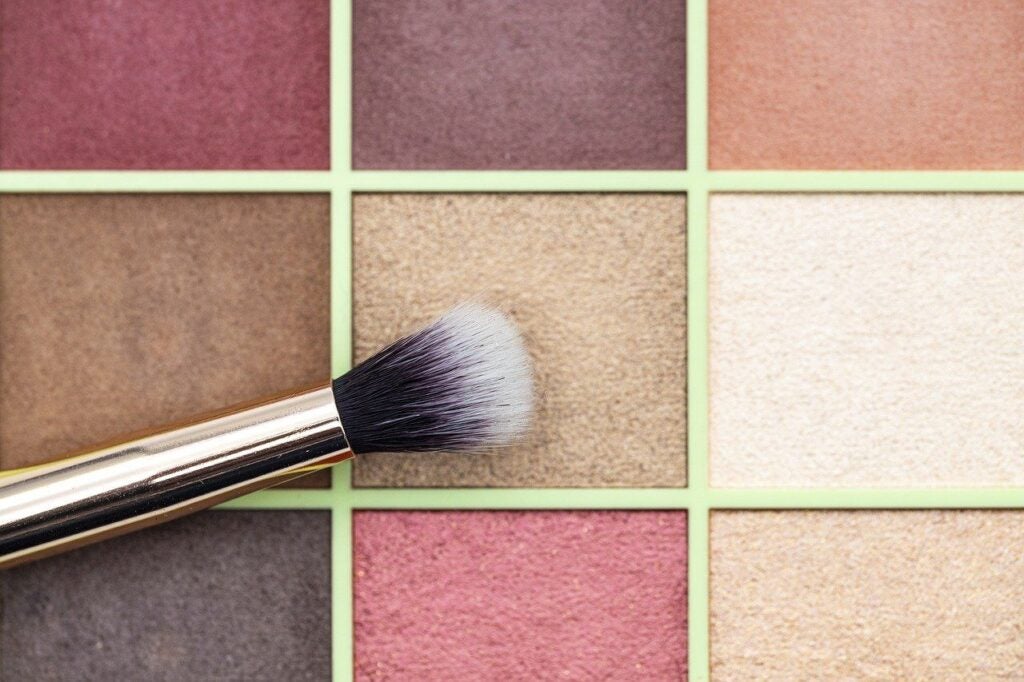
What you may have heard Titanium dioxide, used in food and cosmetics, may cause cancer. What science tells us Titanium dioxide (TiO2) is a mineral used as a whitening agent and pigment in various products, including foods, cosmetics, paints, and plastics. It’s commonly found in personal care items like sunscreens, pressed powders, and loose powders,…
What you may have heard Noninvasive sound waves can break down tumors and prevent cancer from spreading without harmful side effects. What science tells us Histotripsy is a technique that uses targeted ultrasound waves to break down tumors. Developed at the University of Michigan, this method focuses high-energy ultrasound waves to form microbubbles within the…

What you may have heard The Rife machine can cure cancer by using electromagnetic frequencies that target and destroy cancer cells. What science tells us The Rife machine, developed by Royal Raymond Rife in the 1920s, is a device that generates low electromagnetic energy waves, similar to radio waves. Proponents claim that these waves can…
What you may have heard Propylparaben is a type of paraben used as a preservative and may cause cancer. What science tells us Propylparaben is a preservative used in foods, pharmaceuticals, and cosmetics to prevent mold and bacterial growth. Some animal studies suggest that parabens can mimic estrogen, a hormone linked to breast cancer. However,…