Fact Finder Tool
Discover insights, research, and information to help you navigate cancer-related topics with confidence.
Discover insights, research, and information to help you navigate cancer-related topics with confidence.
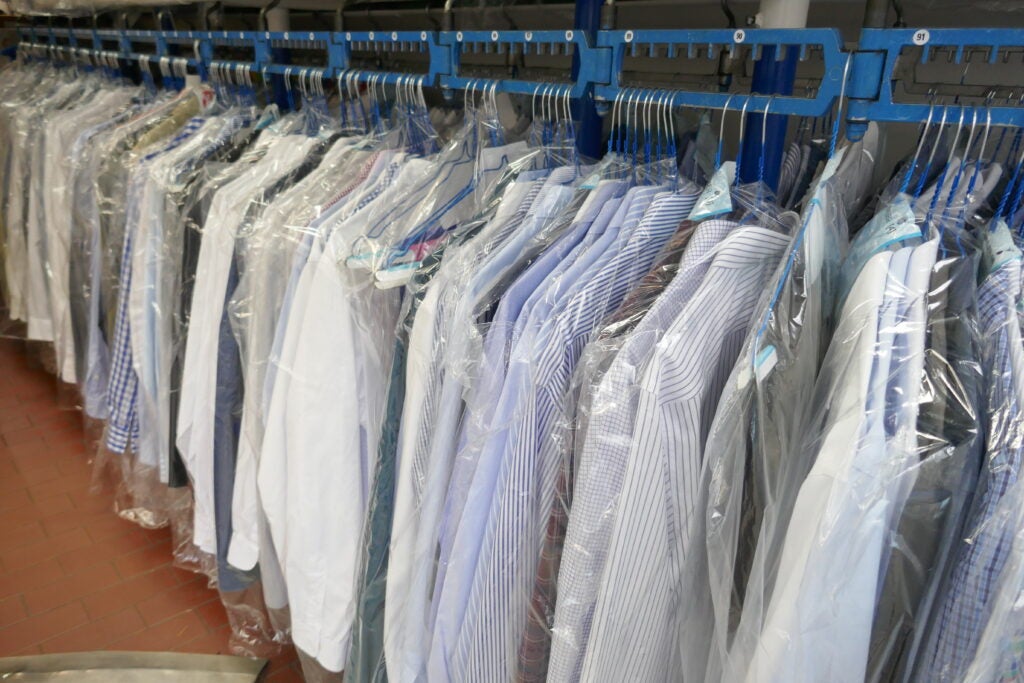
What you may have heard Perchloroethylene, also called PCE or tetrachloroethylene, is commonly used in dry cleaning and some industrial degreasers. You may have heard that long-term exposure can cause cancer, especially among workers in dry-cleaning facilities or people living near contaminated sites. What science tells us PCE is a chlorinated solvent that can be…
What you may have heard Potassium bromate is used in baking and is linked to cancer. What science tells us Potassium bromate is a flour improver used in baking to strengthen dough, increase bread volume, and produce a fine crumb structure. It is commonly found in white flour, bread, and rolls. Potassium bromate has been…

What you may have heard Exposure to per- and polyfluoroalkyl substances (PFAS), such as PFOA and PFOS, might increase your risk of cancer. What the science tells us PFOA (Perfluorooctanoic Acid) and PFOS (Perfluorooctane Sulfonate) are part of a larger group of man-made chemicals known as per- and polyfluoroalkyl substances (PFAS). These chemicals have been in…

What you may have heard Frequent consumption of very hot beverages, like tea and maté, can raise your risk of developing esophageal cancer. What the science tells us Repeatedly drinking hot beverages can damage the lining of the esophagus, which may increase the risk of cancer over time. The International Agency for Research on Cancer…

What you may have heard High consumption of salt-preserved and pickled foods can increase your risk of gastric cancer. What the science tells us Salt-preserved food includes pickled vegetables, salted fish, and cured meat. Research suggests a correlation between salt-preserved foods and cancer risk, particularly in East Asian countries where consumption tends to be high.…

What you may have heard People who have or have had Epstein-Barr virus are at an increased risk of developing certain cancers. What the science tells us Epstein-Barr virus (EBV) is the infection that causes mononucleosis. According to the CDC, 9 out of 10 adults have antibodies showing that they have or have had EBV…

What you may have heard People say that jobs with heavy wood dust exposure raise cancer risk. The concern is strongest for cancers in the nasal cavity and paranasal sinuses among furniture makers, carpenters, and other woodworkers. What science tells us Major agencies classify wood dust as carcinogenic to humans. The International Agency for Research…

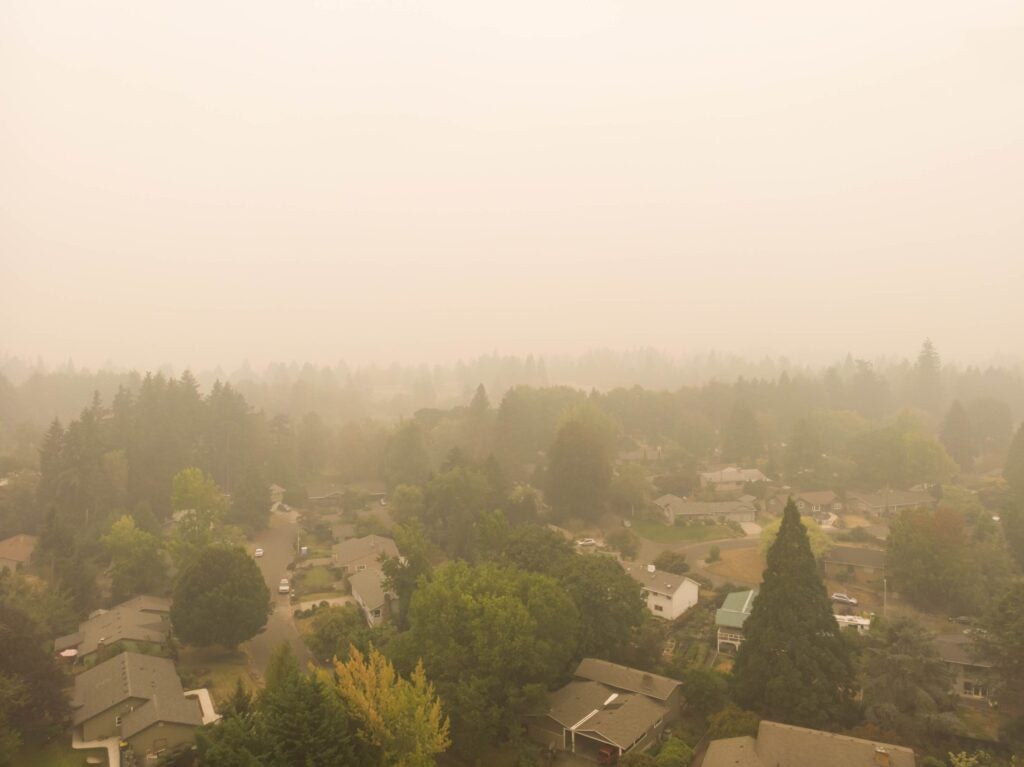
What you may have heard With worsening wildfires across the U.S. and globally, you may have heard that breathing in wildfire smoke could increase your risk of cancer. Some people are comparing it to cigarette smoke or living near highways. What science tells us Wildfire smoke contains a mix of known cancer-causing pollutants, including fine…
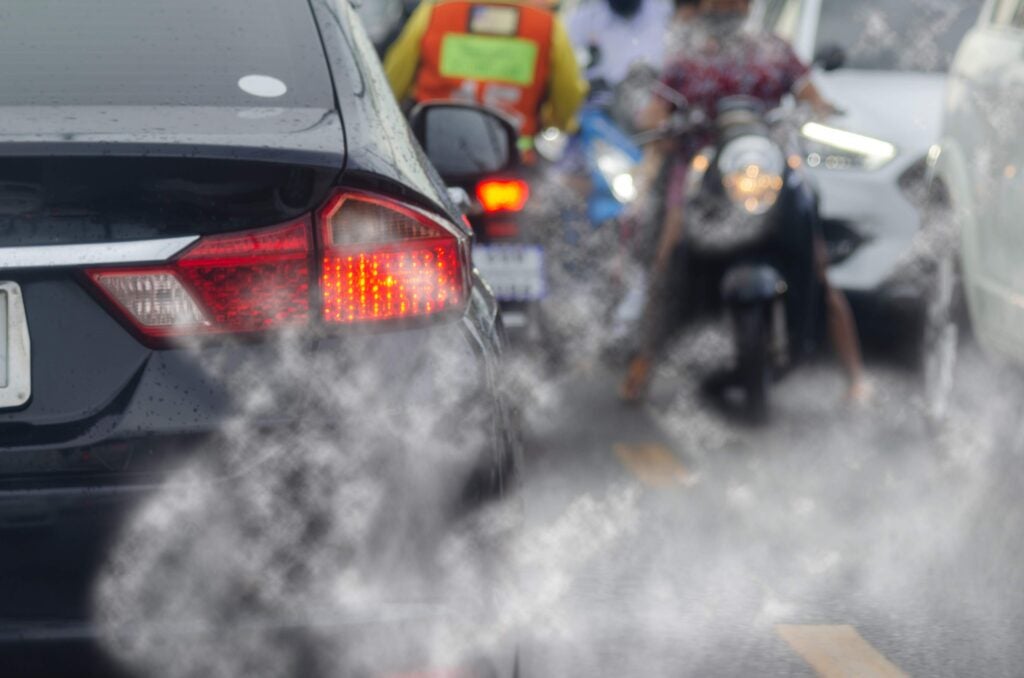
What you may have heard You might’ve heard that living near highways or breathing in car exhaust can increase cancer risk. Some people compare it to secondhand smoke in terms of long-term health effects. What science tells us Traffic-related air pollution contains known carcinogens including benzene, diesel exhaust, and fine particulate matter (PM2.5). Repeated exposure,…
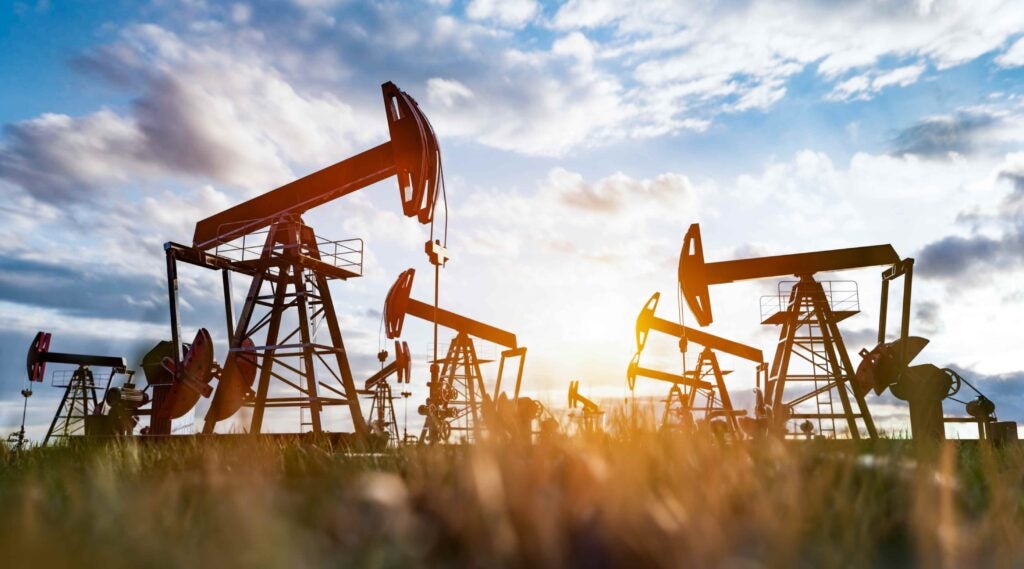
What you may have heard Exposure to shale oil, especially in industrial settings, can cause cancer. What science tells us Shale oil contains carcinogenic compounds, including polycyclic aromatic hydrocarbons (PAHs) and benzene. The International Agency for Research on Cancer (IARC) classifies shale oils as Group 1 carcinogenic to humans based on sufficient evidence from human…
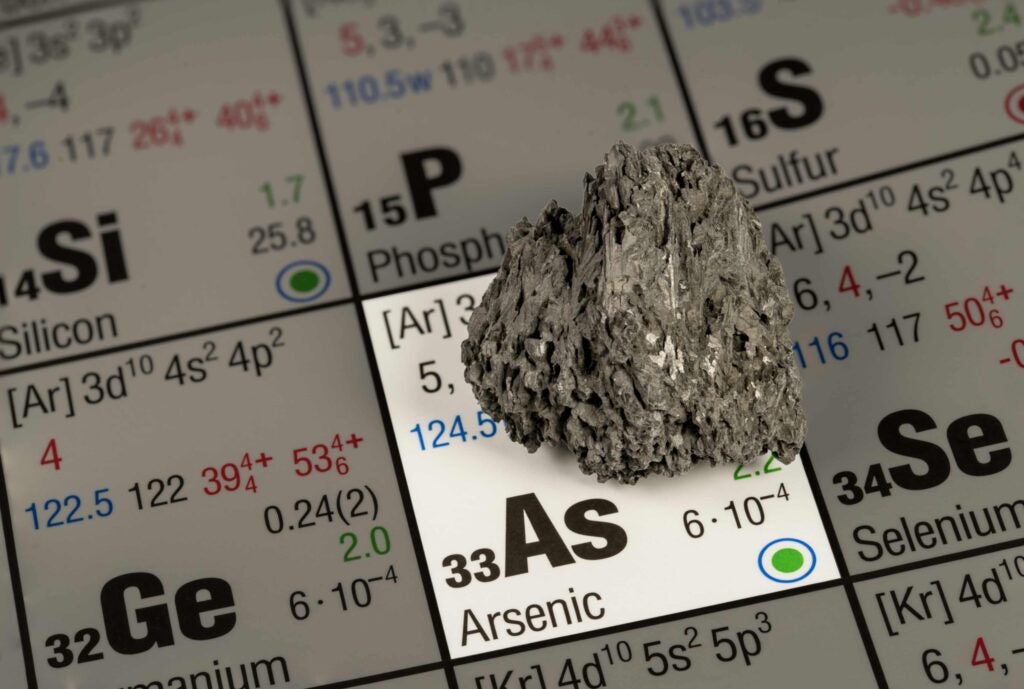
What you may have heard People often worry that arsenic exposure, especially through contaminated drinking water, can cause cancer. That concern comes from studies showing higher cancer rates in areas with high arsenic levels. What science tells us Inorganic arsenic compounds, including those found in contaminated water and occupational settings, are classified by IARC as…
What you may have heard Herbal products containing Aristolochia (or related plants) can cause cancer. People worry because these products have been linked to kidney damage and cancers of the urinary tract. What science tells us Aristolochic acids are naturally occurring compounds in some Aristolochia species. Major agencies classify Aristolochic acids as human carcinogens, and…