Skip to content

What you may have heard

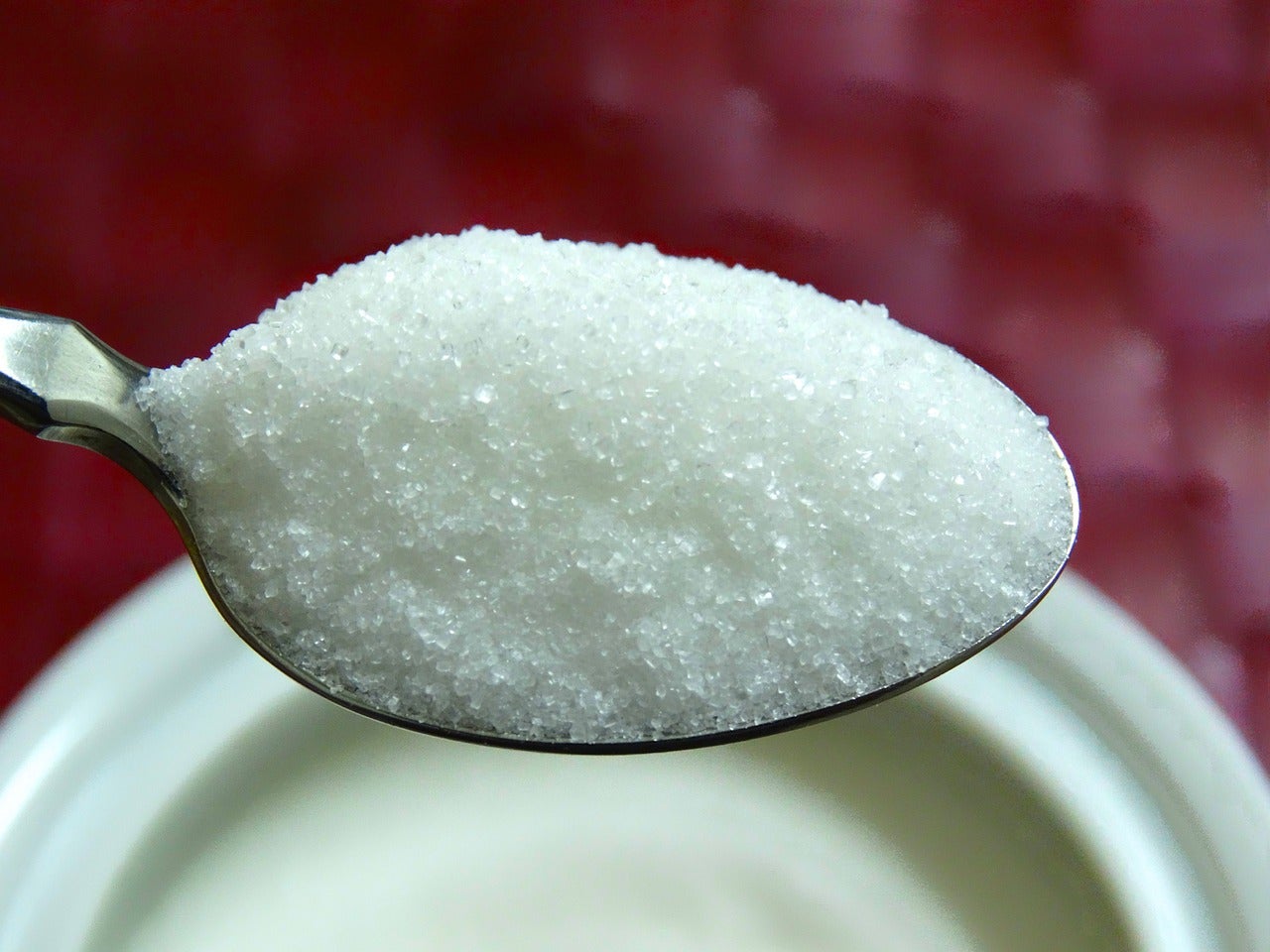
Soft drinks, including sugar-sweetened beverages (SSB) and artificially sweetened beverages (ASB), have been linked to an increased risk of cancer. This includes both common and rare types of cancers, with significant concern around liver cancer and breast cancer.

What the science tells us

Emerging evidence from observational studies suggests a correlation between the consumption of soft drinks and an increased risk of several types of cancer. These studies highlight the potential dangers of both sugar-sweetened and artificially sweetened beverages.

Clinical Evidence

Recent studies and meta-analyses have shown that drinking a lot of sweetened beverages can increase the risk of several types of cancer. Specifically, higher consumption of sugary drinks is linked to an increased risk of breast cancer, prostate cancer, and liver cancer. People who drink sugary drinks every day have a much higher risk of developing these cancers compared to those who consume them less frequently.

Laboratory Evidence/Supporting Evidence

  • High intake of sugar-sweetened beverages increases insulin and insulin-like growth factor 1 (IGF-1) levels, which are linked to cancer cell growth.
  • Soft drinks can increase cellular inflammation and oxidative stress, contributing to cancer development. Oxidative stress happens when there are too many harmful molecules called “free radicals” in the body, which can damage cells.
  • Regular consumption of sugary drinks can lead to systemic health issues, such as obesity, which is associated with an increased risk of cancer.

How to reduce your risk

Given the potential risks associated with soft drink consumption, here are some steps to reduce your cancer risk:

  • Reducing the intake of sugar-sweetened and artificially sweetened beverages can lower the risk of cancer.
  • Aim for healthier drink options such as water or natural fruit juices without added sugars.
  • Maintain a balanced diet rich in fruits, vegetables, whole grains, and lean proteins to support overall health and reduce cancer risk.

Bottom line

While emerging evidence suggests that the consumption of soft drinks is associated with an increased risk of various cancers, more research is needed to confirm these findings and understand the underlying mechanisms. It is advisable to limit the intake of sugary and artificially sweetened beverages and focus on maintaining a balanced diet to reduce cancer risk and support overall health.

For further information on this topic, read, “What is worse, a soda or a beer?” in the Harvard Gazette and watch “Healthy Hydration” Beverage Choices and Cancer Risk,” co-hosted by the Zhu Center for Global Cancer Prevention and the Harvard T.H. Chan School of Public Health Office of Communications.

What you may have heard

Red Dye 3, used in foods and cosmetics, is linked to cancer.

What science tells us

Red Dye 3, also known as FD&C Red No. 3, Red Dye No. 3, and Red Dye 3, is a synthetic dye used to color foods, cosmetics, and drugs. It gives products a bright, cherry-red color. Studies have shown that Red Dye 3 can cause cancer in animals, specifically thyroid tumors.

The FDA has banned the use of Red Dye 3 in cosmetics and externally applied drugs due to its cancer risk, but it is still allowed in foods and ingested drugs. It is commonly found in candies, drinks, and some medications. In October 2023, California Governor Gavin Newsom signed a bill into law banning the use of Red Dye 3, along with three other common food additives (potassium bromate, brominated vegetable oil, and propylparaben). The California Food Safety Act takes effect in 2027, making it illegal to sell, distribute, and manufacture these additives in the state.

Epidemiological Evidence

There is limited human epidemiological evidence.

Laboratory Evidence/Supporting Evidence

Researchers found that Red Dye 3 can cause thyroid tumors in rats when consumed in high doses. This has raised concerns about its safety in humans, particularly with chronic exposure through food and medications.

IARC Carcinogen Classification:

Not classified by IARC.

How to reduce your risk

Avoid products that list Red Dye 3 as an ingredient. Look for natural alternatives and check labels on foods, especially candies, and medications.

Bottom line

Animal studies strongly suggest a cancer risk, and it’s wise to avoid Red Dye 3. Despite being banned in cosmetics, it is still present in many foods, so choosing products without this dye can help reduce potential health risks.

To learn about the Red Dye 3 and cancer risk as well as the FDA ban, watch this video from the Museum of Science in Boston.

A short releated video on food additives and cancer risk from the Dana-Farber Cancer Insitute follows.

What you may have heard

Ketogenic diets (KD), which are high in fats and low in carbohydrates, can improve cancer treatment outcomes.

What science tells us

A ketogenic diet produces ketone bodies from fats, reducing glucose and insulin levels. This might help stop cancer cells from growing and promote their death through processes like ferroptosis (a type of cell death caused by an accumulation of iron and harmful molecules that damage the cell’s membrane).

Epidemiological Evidence

Studies suggest that ketogenic diets may slow tumor growth in certain cancers by increasing cell damage and inducing cell death. They may also enhance the effectiveness of treatments like chemotherapy and radiation. However, more research is needed to confirm these findings for different types of cancer and patients.

Laboratory Evidence/Supporting Evidence

Research on mice and small human trials have shown that ketogenic diets can reduce insulin and insulin-like growth factor 1 (IGF-1) levels, which are associated with cancer cell growth. Additionally, ketogenic diets cause cancer cells to die.

However, ketogenic diets can also lead to issues like a reduction in NADPH, which weakens cell protection, and a deficiency in corticosterone, a hormone important for stress and inflammation control. These issues may worsen wasting syndrome in cancer patients.

How to reduce your risk

While ketogenic diets may offer potential benefits, they also pose significant risks. Cancer patients are already at high risk for malnutrition, and a ketogenic diet can exacerbate this, leading to weight loss, fatigue, and slower healing. The restrictive nature of ketogenic diets can make it challenging to obtain necessary nutrients, especially for patients experiencing treatment side effects like nausea and vomiting. It is crucial to maintain a balanced diet and seek advice from healthcare providers before considering a ketogenic diet. Some tips to reduce your risk follow.

  • Avoid drastic dietary changes without consulting your doctor.
  • Focus on balanced, small, frequent meals to avoid weight loss and malnutrition.
  • Ensure adequate intake of calories, protein, and fluids.
  • Limit intake of keto-friendly foods that might increase cancer risk, such as red meat.

Bottom line

While emerging evidence suggests that ketogenic diets might enhance cancer treatment by inducing mechanisms like ferroptosis and reducing insulin levels, these diets also pose significant risks such as malnutrition and long-term adverse effects. More research is needed to confirm the safety and effectiveness of ketogenic diets in cancer treatment. Until then, plant-based diets, which are associated with reduced cancer risk and improved overall health, remain the preferred dietary approach. Always consult with your healthcare provider before making any significant dietary changes, especially during cancer treatment.

What you may have heard

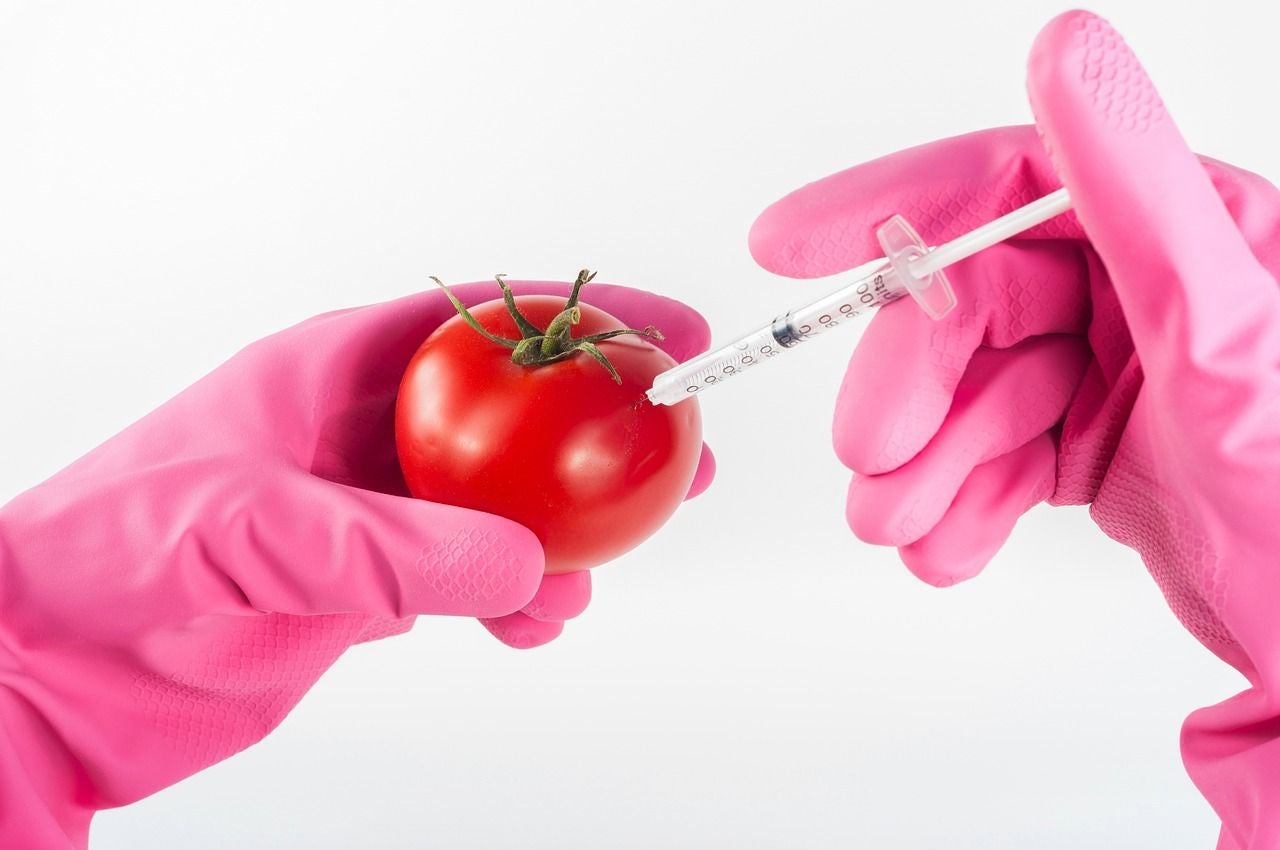
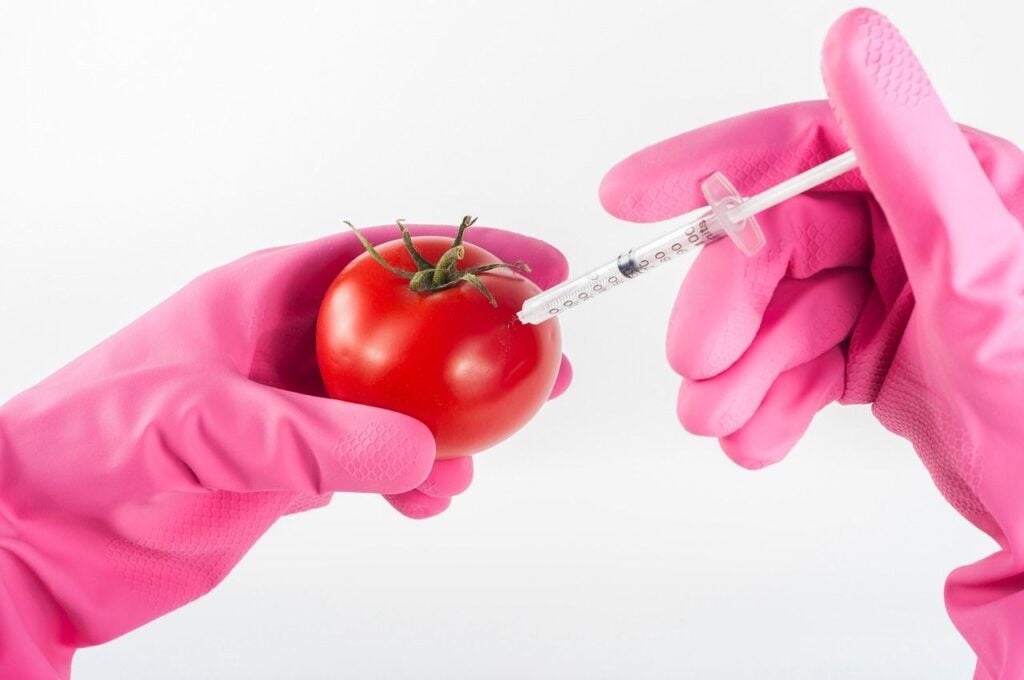
Consuming genetically modified foods increases the risk of developing cancer.

What the science tells us

Epidemiological Evidence

  • Current research on the health risks of GMOs does not support a link to cancer. While GMOs have been prevalent in the US since the 1990s, there has not been a significant increase in cancer cases directly linked to their consumption.
  • An analysis by the National Academies of Sciences, Engineering, and Medicine found that patterns of change in cancer rates in the United States are similar to those in Europe and the United Kingdom, where people eat fewer GMO foods. Cancer rates are not connected with eating GMOs (FDA).

Laboratory Evidence/Supporting Evidence

  • Genetic modification involves precise changes to an organism’s DNA to enhance specific traits such as pest resistance, improved nutritional content, and increased hardiness. This process, known as genetic engineering, is carefully controlled and tested.
  • GMO foods undergo rigorous safety assessments before being approved for public consumption. These assessments include tests to ensure that GMOs do not introduce new allergens or toxins.
  • Research shows that GMO foods are as healthful and safe to eat as their non-GMO counterparts. Studies have demonstrated that GMO plants fed to farm animals are just as safe as non-GMO animal feed (FDA).

IARC Carcinogen Classification:

not classified.

How to reduce your risk

Genetically modified foods are considered safe and are not likely to increase your risk of cancer. However, if you would rather not consume them, you can try the following advice.

  • Buy Organic Foods Organic foods are grown from non-GMO seeds and are less likely to contain genetically modified ingredients.
  • Choose Grass-Fed or Pasture-Fed Meat Select meat from animals that have been fed non-GMO feed to reduce exposure to genetically modified ingredients.
  • Read Labels Look for products labeled as non-GMO or GMO-free, especially those that avoid common GMO ingredients like corn syrup and soy lecithin.
  • Shop Local Purchasing from local farmers’ markets can help you avoid GMOs, as many small-scale and local farms do not use genetically modified seeds.

Bottom line

The belief that GMOs cause cancer is not supported by conclusive scientific evidence. While there are concerns about the long-term health effects of consuming genetically modified foods, current research has not demonstrated a direct link to cancer. Consumers can take steps to minimize their intake of GMOs by choosing organic and non-GMO labeled products. Ongoing research continues to ensure the safety of GMOs for human consumption.

What you may have heard

Fluoride, which is commonly added to drinking water to prevent tooth decay, is linked to an increased risk of cancer.

What the science tells us

Epidemiological Evidence:

Numerous large-scale epidemiological studies have investigated the possible connection between fluoride levels in drinking water and cancer rates. Most of these studies have not found a strong, consistent link between fluoride and cancer. Differences in study design and populations make it challenging to draw definitive conclusions.

Laboratory Evidence/Supporting Evidence:

Laboratory studies, including those conducted by the National Toxicology Program, have produced mixed results. For example, some studies found increased rates of osteosarcoma, a type of bone cancer, in male rats exposed to high levels of fluoride, but these findings have not been consistently reproduced in humans.

IARC Carcinogen Classification: 

Not Classified

How to reduce your risk

For those who are concerned about excessive fluoride exposure, some simple steps to help manage and reduce your fluoride intake follow.

  • If you use public water, contact your local water supplier for fluoride levels. If your water has high fluoride levels, consider drinking bottled water with lower fluoride or using water filters that remove fluoride.
  • Follow guidelines when using fluoride toothpaste, especially for children. Use a pea-sized amount for kids under six and supervise to prevent swallowing. Consult a dentist for advice on fluoride use for children under two.

Bottom line

Current scientific evidence does not support a strong link between fluoride in drinking water and cancer risk. While some studies have suggested a potential connection, the overall consensus from health organizations is that fluoride is safe and effective in preventing dental decay at recommended levels. Ongoing research continues to monitor and evaluate the potential health effects of fluoride exposure.

What you may have heard

Fasting has been suggested as a beneficial practice for cancer patients, potentially improving the effectiveness of treatments and reducing their adverse effects.

What science tells us

Fasting, including intermittent fasting, involves periods of reduced or no-calorie intake. Emerging evidence indicates that fasting might foster conditions that limit cancer cell growth and enhance the body’s response to cancer treatments. However, we still don’t have a complete understanding of how these interactions work together.

Clinical Evidence

Recent studies and clinical trials have shown that intermittent fasting can lead to:

  • increased effectiveness of chemotherapy and radiation;
  • reduced side effects, such as fatigue and gastrointestinal issues; and
  • improved overall quality of life for patients undergoing cancer treatment.

Laboratory Evidence/Supporting Evidence

  • Fasting reduces insulin and IGF-1 levels, which can suppress cancer cell growth and make them more susceptible to treatment.
  • Enhanced autophagy, which is the process where cells break down and recycle damaged parts, during fasting helps improve treatment outcomes.
  • Fasting can also decrease oxidative stress, which is the damage caused by unstable molecules, and reduce inflammation, potentially slowing cancer progression.

How to reduce your risk

Fasting is not suitable for all cancer patients. Risks include:

  • malnutrition, leading to weight loss and slower healing;
  • increased fatigue and stress during an already challenging time; and
  • potential complications from not receiving adequate nutrients, especially when experiencing side effects like nausea or loss of appetite.

Religious Fasting Considerations

Many religions permit exemptions from fasting if it affects health. Patients should consult with their religious leaders and healthcare providers to find suitable alternatives. Ensure fasting plans are discussed with oncologists and dietitians. Regularly check nutritional status and adjust the fasting regimen as needed to avoid adverse effects.

Bottom line

While fasting shows potential benefits in enhancing cancer treatment, more research is needed to confirm its safety and efficacy. Malnutrition is very common in cancer patients, and eating balanced, small frequent meals is recommended to avoid weight loss and malnutrition. To date, there are no official recommendations to endorse fasting for cancer patients. It is important to have adequate calories, protein, and fluids to support overall health and treatment effectiveness.

What you may have heard

Decaf coffee made using methylene chloride can cause cancer because the chemical is harmful.

What the science tells us

Methylene chloride is a chemical solvent used in various industries, including paint stripping, foam manufacturing, cleaning, and degreasing. It is known to be harmful and can cause cancer, heart problems, and damage to the nervous system and liver. People can be exposed to methylene chloride by breathing it in, getting it on their skin, or touching products that contain it.

In the decaffeination process, methylene chloride is used to remove caffeine from coffee beans. The caffeine bonds with the methylene chloride, leaving the coffee beans mostly caffeine-free but retaining their flavor. The FDA regulates the amount of methylene chloride that can remain in decaf coffee, ensuring it does not exceed 10 parts per million. This level is considered safe, but there is still some debate about the long-term effects of even small amounts of this chemical.

Epidemiological Evidence

Studies on whether decaf coffee made with methylene chloride causes cancer are not clear. Some research shows that methylene chloride can cause cancer, but the amount in decaf coffee is very low and regulated by the FDA.

Laboratory Evidence/Supporting Evidence

Lab tests have shown that high levels of methylene chloride can cause cancer in animals. But the levels in decaf coffee are much lower.

IARC Carcinogen Classification:

2A carcinogen, “probably carcinogenic to humans”.

How to reduce your risk

  • Choose Alternatives: Look for decaf coffee made with methods like the Swiss Water Process or carbon dioxide, which don’t use methylene chloride.
  • Check Labels: Buy decaf coffee labeled as solvent-free, Swiss Water processed, or certified organic.
  • Moderate Consumption: If you drink decaf coffee with methylene chloride, do so in moderation to reduce any potential risk.

Bottom line

Methylene chloride in decaf coffee is regulated and kept at low levels. There is no clear evidence that these low levels cause cancer, but choosing decaf coffee made with other methods can reduce any potential risk.

For a video on the potential benefit of regular coffee, watch this video from the Dana-Farber Cancer Institute below.

What you may have heard

Colon cleansing can lower the risk of colorectal cancer by removing toxins and waste from the colon.

What the science tells us

The colon, an integral part of the digestive system, is responsible for absorbing water, salts, and nutrients from ingested food before expelling solid waste. It plays a vital role in maintaining a healthy bacterial composition, known as the microbiome, which is crucial for overall health and may offer protection against infections and colorectal cancer. The body’s natural digestive processes, including regular bowel movements, are sufficient to eliminate waste and toxins, thereby supporting a balanced gut microbiome without the need for additional cleansing.

Epidemiological Evidence:

Scientific research does not support the notion that colon cleansing reduces the risk of colorectal cancer. The colon’s natural functions are adequate for waste and toxin management, and there is no evidence suggesting that additional cleansing is necessary or beneficial in this regard.

Laboratory Evidence/Supporting Evidence: 

The FDA does not regulate colon cleanse products, classifying them as dietary supplements, which may contain harmful ingredients. Furthermore, devices used for colon irrigation are not FDA-approved for this purpose, and practitioners of colon cleansing often lack certification from medical authorities, raising significant safety concerns.

IARC Carcinogen Classification:

Not Classified

How to reduce your risk

  • Stay Hydrated: Adequate water intake is essential to facilitate the movement of food through the digestive system efficiently.
  • Exercise Regularly: Physical activity accelerates digestion and the U.S. Department of Health and Human Services recommends that adults engage in 150-300 minutes of moderate-intensity aerobic exercise or 75-150 minutes of vigorous-intensity aerobic activity each week.
  • Follow a Plant-Based Diet: Consuming a diet rich in vegetables, whole grains, fruits, and beans increases fiber intake, which helps prevent gastrointestinal issues and lowers the risk of colorectal cancer.
  • Add Resistant Starches and Probiotics to your Diet: Foods such as green bananas, beans, whole grains, yogurt, and kefir support a healthy gut microbiome.
  • Avoid Harmful Substances: Limiting or avoiding tobacco, alcohol, and processed meats, and reducing red meat consumption to no more than 18 ounces per week, can lower cancer risk.
  • Undergo Regular Screenings: Begin colorectal cancer screenings at age 45, or earlier if advised by a healthcare provider.
  • Maintain a Healthy Weight: Reducing body fat percentage can significantly decrease the risk of colorectal cancer.

Bottom line

Colon cleansing is not an evidence-based method for reducing the risk of colorectal cancer.

What you may have heard

Brominated vegetable oil (BVO) has been linked to cancer.

What science tells us

Brominated vegetable oil (BVO) is a food additive, made from vegetable oil modified with bromine that is used in some soft drinks to keep citrus flavoring from separating. BVO can accumulate in body fat, as well as the liver, heart, and brain, leading to bromine toxicity. This can cause central nervous system damage, headaches, nausea, memory loss, and loss of coordination. The FDA has proposed banning BVO’s use in food due to potential health risks. BVO has been banned in several countries including the UK, India, the EU, Japan, and was recently banned from foods and beverages sold in California.

Epidemiological Evidence

Limited human studies have been conducted, but significant concerns arise from animal studies. No strong epidemiological evidence links BVO to cancer in humans directly.

Laboratory Evidence/Supporting Evidence

Animal studies show significant increases in bromide levels in the blood and tissues, affecting the thyroid gland (Woodling et al., 2022).

IARC Carcinogen Classification 

Not classified, but related compounds are under scrutiny.

How to reduce your risk

Avoid beverages that list BVO as an ingredient. Check labels on soft drinks and opt for alternatives without BVO. Choosing water over soda is one of the simplest and most effective ways to reduce your risk. By choosing water, you avoid the potential health risks associated with additives like BVO and reduce your intake of unnecessary sugars and calories.

Bottom line

While human studies linking BVO and cancer are limited, the evidence from animal studies suggests avoiding BVO is important due to potential health risks.

What you may have heard

You might have heard that eating berries, such as strawberries, blueberries, raspberries, and blackberries, can help prevent cancer.

What science tells us

Berries are rich in antioxidants, such as vitamin C, quercetin, and anthocyanins, which help neutralize free radicals and reduce oxidative stress, a key factor in cancer development. Scientific studies support the idea that berries may play a role in cancer prevention.

Epidemiological Evidence

  • Many studies on animals and humans suggest that eating berries can lower the risk of cancers such as breast, esophagus, colon, and lung cancer. For example, black raspberries can change how genes handle cancer-causing substances and reduce the number of tumors.

Laboratory Evidence/Supporting Evidence

  • Berries help fight cancer by stopping cancer cell growth, triggering programmed cell death (apoptosis), and reducing inflammation. They also disrupt key pathways involved in cancer progression, like PI3K/Akt/mTOR and MAPK/ERK.

How to reduce your risk

1. Incorporate a Variety of Berries

  • Add a mix of strawberries, blueberries, raspberries, and blackberries to your diet. These berries are rich in different antioxidants that provide broad health benefits.

2. Enjoy Fresh or Frozen Berries

  • Whether fresh or frozen, berries retain their nutritional value. Use them in smoothies, as a topping for yogurt or cereal, or enjoy them on their own as a healthy snack.

4. Choose Organic Berries When Possible

  • Organic berries are less likely to contain pesticide residues, providing a cleaner option for your diet.

5. Balance Your Diet

  • While berries are beneficial, they should be part of a broader diet that includes a variety of fruits, vegetables, whole grains, and lean proteins. This balanced approach ensures you get a wide range of nutrients necessary for overall health.

Bottom line

Including berries in your diet is a tasty and nutritious way to potentially reduce your cancer risk. The beneficial compounds in berries work through multiple mechanisms to support cellular health and prevent cancer development. For optimal health benefits, consume a variety of berries regularly as part of a balanced diet rich in fruits, vegetables, whole grains, and lean proteins.

Watch this video on washing produce like berries from the USDA.

Fact Finder Tool

Discover insights, research, and information to help you navigate cancer-related topics with confidence.

959 posts available
6 categories

CLAIM: Soft drinks may increase the risk of various cancers, including liver cancer and breast cancer

What you may have heard Soft drinks, including sugar-sweetened beverages (SSB) and artificially sweetened beverages (ASB), have been linked to an increased risk of cancer. This includes both common and rare types of cancers, with significant concern around liver cancer and breast cancer. What the science tells us Emerging evidence from observational studies suggests a…

Read More →

CLAIM: Genetically Modified Organisms (GMOs) cause cancer

What you may have heard Consuming genetically modified foods increases the risk of developing cancer. What the science tells us Epidemiological Evidence Laboratory Evidence/Supporting Evidence IARC Carcinogen Classification: not classified. How to reduce your risk Genetically modified foods are considered safe and are not likely to increase your risk of cancer. However, if you would…

Read More →

CLAIM: Fluoride in drinking water causes cancer

What you may have heard Fluoride, which is commonly added to drinking water to prevent tooth decay, is linked to an increased risk of cancer. What the science tells us Epidemiological Evidence: Numerous large-scale epidemiological studies have investigated the possible connection between fluoride levels in drinking water and cancer rates. Most of these studies have…

Read More →

CLAIM: Fasting can enhance cancer treatment effectiveness and reduce side effects

What you may have heard Fasting has been suggested as a beneficial practice for cancer patients, potentially improving the effectiveness of treatments and reducing their adverse effects. What science tells us Fasting, including intermittent fasting, involves periods of reduced or no-calorie intake. Emerging evidence indicates that fasting might foster conditions that limit cancer cell growth…

Read More →

CLAIM: Consuming berries can prevent cancer

What you may have heard You might have heard that eating berries, such as strawberries, blueberries, raspberries, and blackberries, can help prevent cancer. What science tells us Berries are rich in antioxidants, such as vitamin C, quercetin, and anthocyanins, which help neutralize free radicals and reduce oxidative stress, a key factor in cancer development. Scientific…

Read More →