Fact Finder Tool
Discover insights, research, and information to help you navigate cancer-related topics with confidence.
Discover insights, research, and information to help you navigate cancer-related topics with confidence.
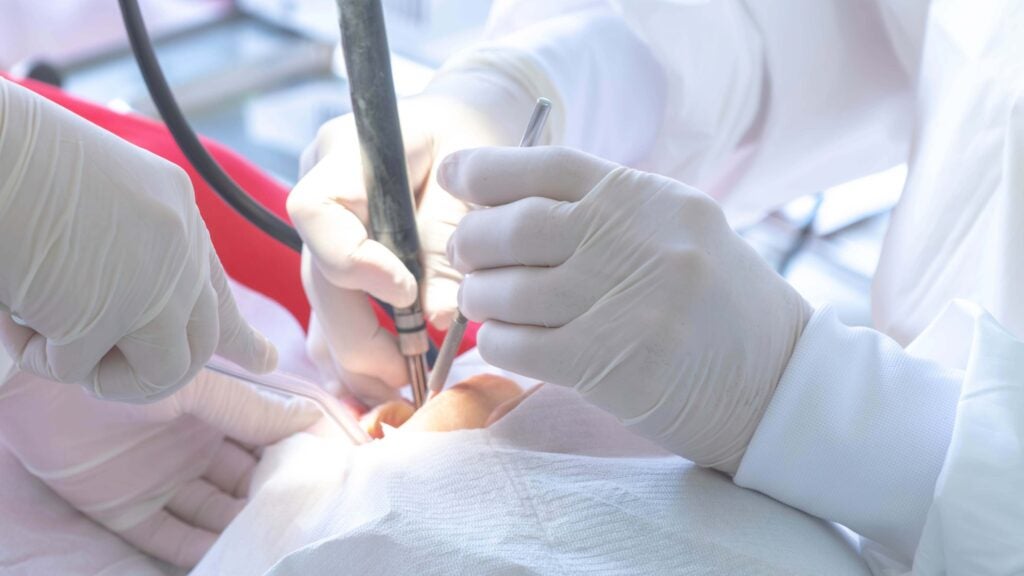
What you may have heard Bacteria left behind during a root canal procedure can release toxins into the bloodstream and lead to cancer. This idea has gained attention through online forums and alternative health documentaries. What the science tells us Root canals are not linked to cancer. This myth originated from a discredited theory over…
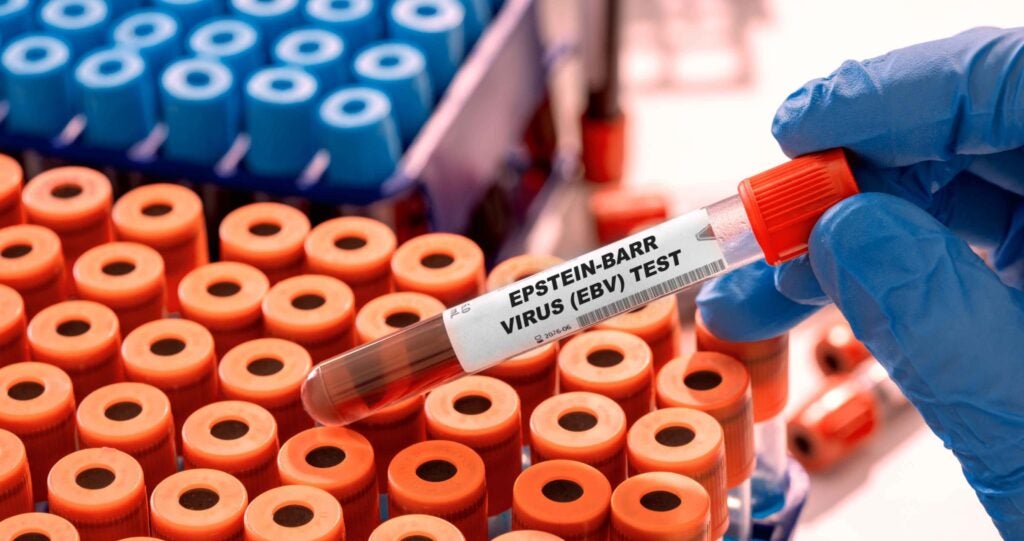
What you may have heard People who have or have had Epstein-Barr virus are at an increased risk of developing certain cancers. What the science tells us Epstein-Barr virus (EBV) is the infection that causes mononucleosis. According to the CDC, 9 out of 10 adults have antibodies showing that they have or have had EBV…
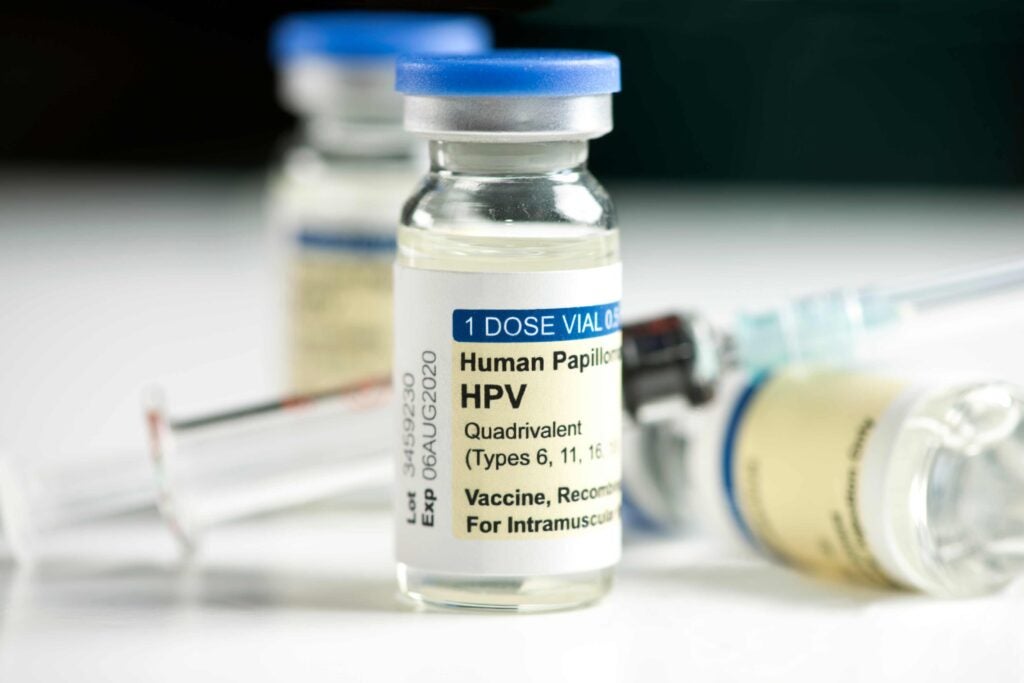
What you may have heard Claims have circulated on social media suggesting that the Human Papillomavirus (HPV) vaccine, Gardasil 9, causes cancer. These claims often stem from general vaccine misinformation and misunderstandings about how the vaccine works. In fact, the HPV vaccine is highly effective in preventing cancer. What the science tells us Gardasil was…
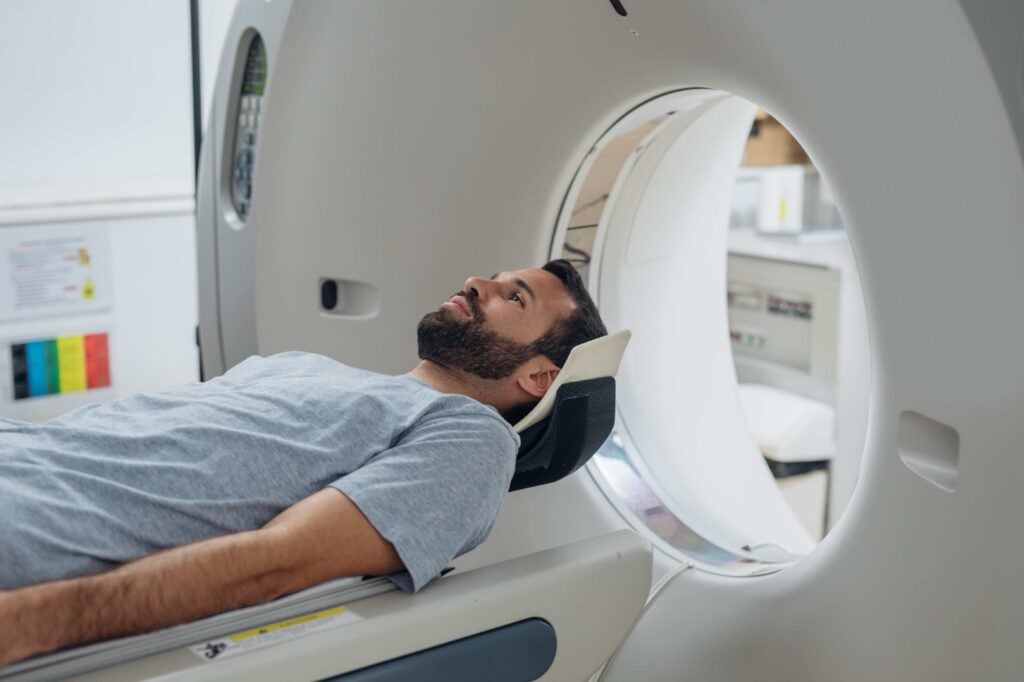
What you may have heard Some people believe that getting CT scans can increase the chance of developing cancer. They point to the higher radiation dose from CT scans compared to regular X-rays as a reason for concern. What science tells us CT scanners use ionizing radiation, which can damage DNA. While most cells repair…
What you may have heard Higher levels of vitamin D can reduce cancer mortality and prevent cancer from becoming advanced. What science tells us Emerging research indicates that vitamin D might play a role in cancer prevention and management. However, the evidence is mixed, and further studies are needed to fully understand its impact. Clinical…

What you may have heard Noninvasive sound waves can break down tumors and prevent cancer from spreading without harmful side effects. What science tells us Histotripsy is a technique that uses targeted ultrasound waves to break down tumors. Developed at the University of Michigan, this method focuses high-energy ultrasound waves to form microbubbles within the…

What you may have heard The Rife machine can cure cancer by using electromagnetic frequencies that target and destroy cancer cells. What science tells us The Rife machine, developed by Royal Raymond Rife in the 1920s, is a device that generates low electromagnetic energy waves, similar to radio waves. Proponents claim that these waves can…
What you may have heard Fenbendazole (a drug used to deworm dogs), cured a patient with small cell lung cancer. What the science tells us Both the FDA and EMA prohibit the use of fenbendazole in humans due to potential toxicity and teratogenic effects. The recommended dosage for animals is significantly higher than the acceptable…

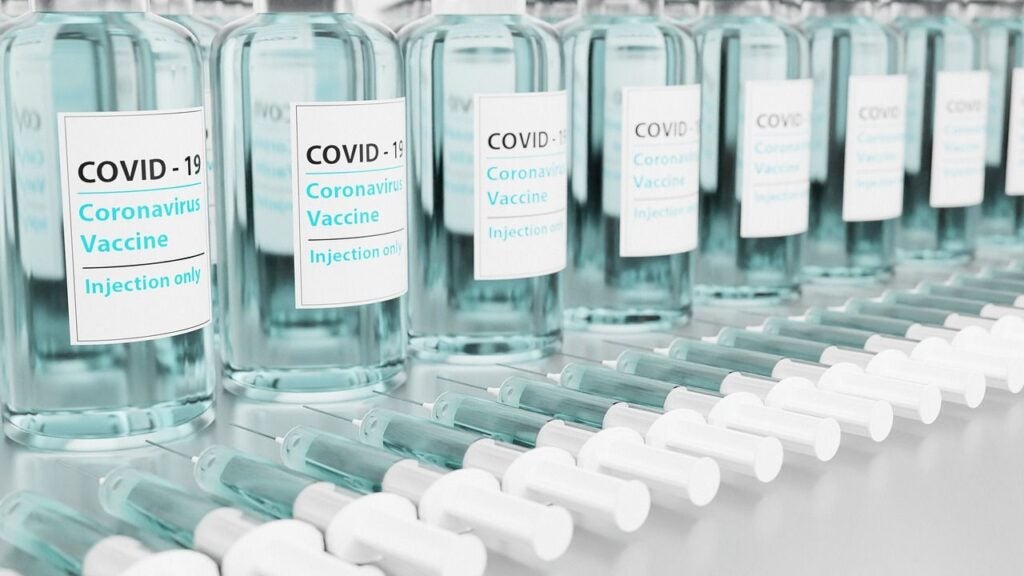
What you may have heard COVID-19 vaccines can cause cancer or increase the aggressiveness of existing cancers. What the science tells us The overwhelming body of scientific evidence indicates that COVID-19 vaccines are safe and do not cause cancer. Major health organizations and multiple studies support this conclusion. Epidemiological Evidence: Laboratory Evidence/Supporting Evidence: IARC Carcinogen…
What you may have heard Cannabis oil is a natural cure for cancer. What the science tells us Cannabis oil, extracted from the cannabis sativa plant, can be found in various products such as oils, roll-ons, vaping solutions, and edibles. It contains cannabidiol (CBD), which, unlike THC (another component of cannabis), does not affect the…

What you may have heard Women who undergo induced medical abortions have a higher risk of developing cancer. What science tells us Hormone levels change dramatically during pregnancy and decrease a woman’s number of menstrual cycles, which affects breast cancer risk (ACS). Abortion is believed to interrupt the normal cycle of hormones during pregnancy. There…

What you may have heard People who take birth control pills have an increased risk of cancer. What science tells us Birth control pills are used to prevent pregnancy and contain two hormones: estrogen and progesterone that help regulate the menstrual cycle (Cleveland Clinic). Birth control pills prevent pregnancy by stopping ovulation and preventing sperm…