Fact Finder Tool
Discover insights, research, and information to help you navigate cancer-related topics with confidence.
Discover insights, research, and information to help you navigate cancer-related topics with confidence.
What you may have heard Standing too close to the microwave can increase your risk of developing cancer. What science tells us Microwaves do not emit enough radiofrequency radiation to be harmful to humans (ACS). Microwave ovens are designed so that the microwave radiation is contained within the oven itself. The oven only creates microwaves…

What you may have heard Heating plastic in the microwave or freezing plastic releases various harmful chemicals that may cause cancer. What science tells us Freezing tends to work against the release of chemicals. The Johns Hopkins Bloomberg School of Public Health stated, “Chemicals do not diffuse as readily in cold temperatures, which would limit…

What you may have heard Obesity has been linked to various types of cancers. What science tells us Obesity or high body mass index (BMI) is a condition in which a person has an unhealthy amount and/or distribution of body fat. To measure obesity, researchers often use the BMI scale, which is determined by dividing…

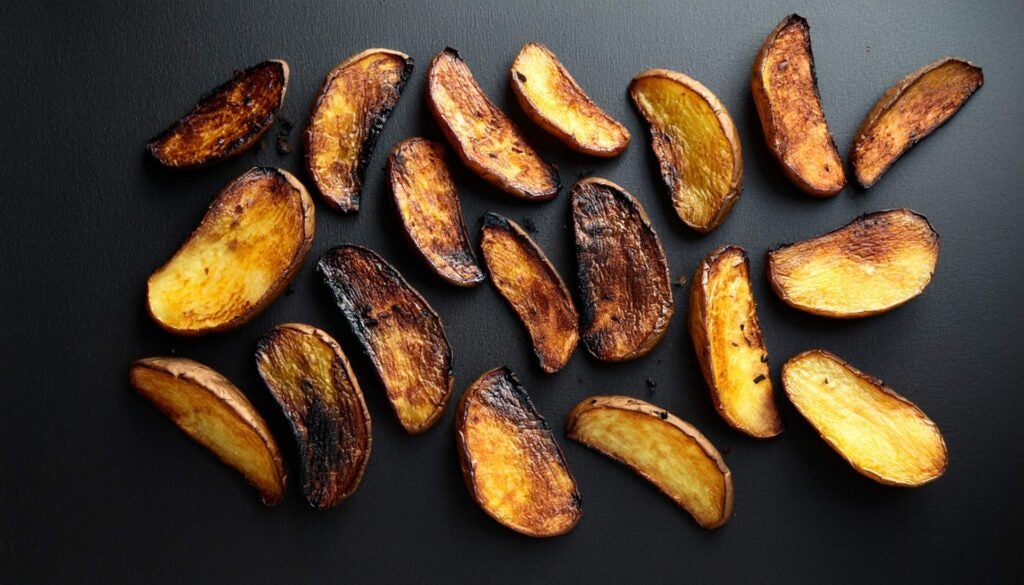
What you may have heard Consuming burnt foods or burnt marshmallows increases the risk of developing cancer. What science tells us Marshmallows are composed of a majority of sugars. They are eaten alone, but sometimes are roasted over a fire to make s’mores. Many chemicals are found in burnt food including acrylamide, polycyclic aromatic hydrocarbons…

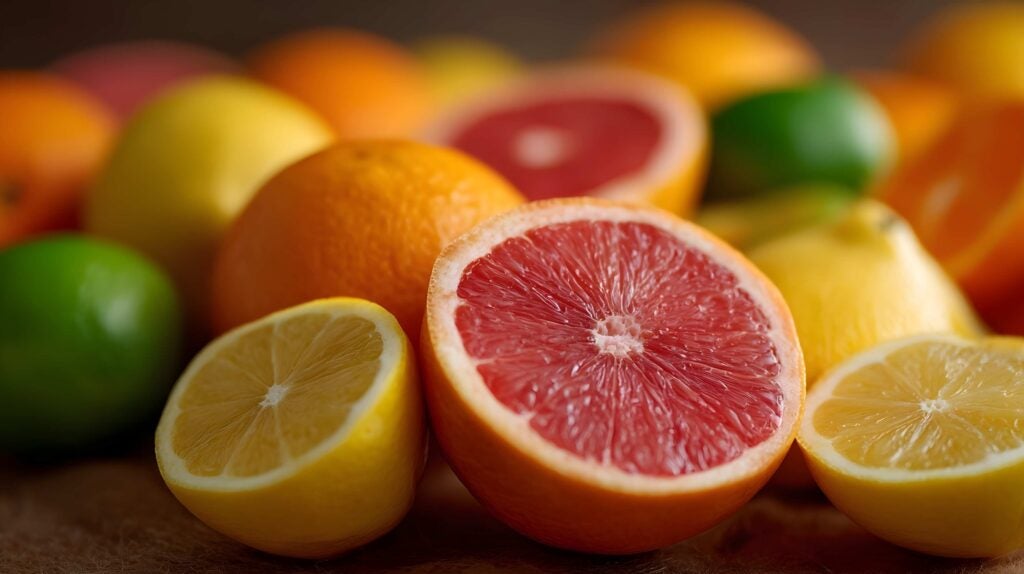
What you may have heard Given that cancer cells grow well in an acidic environment, many people have questioned whether a diet high in acidic foods can increase your risk of cancer. What the science tells us In chemistry, the pH scale is a measure for how acidic or basic a solution is. The pH…
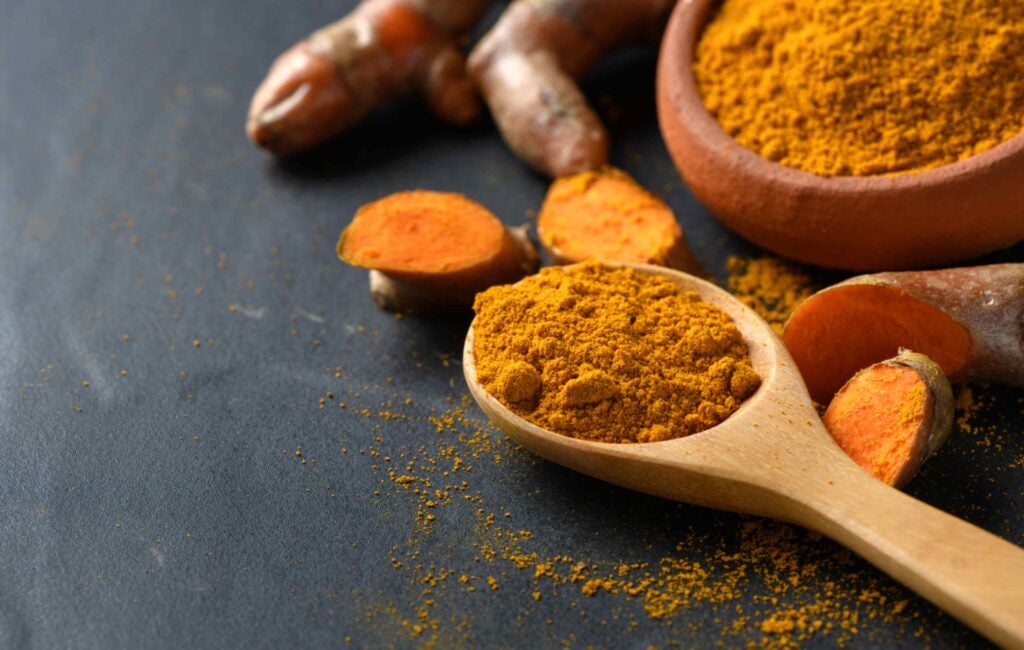
What you may have heard Curcumin has been touted as having antioxidant, antiviral, antibacterial, and anti-inflammatory properties. One of curcumin’s newer areas being studied are its possible anti-cancer properties. What science tells us Curcumin (the part of turmeric that gives it its vibrant color) has gained attention in the media as a potential anti-cancer therapy.…
What you may have heard Coffee consumption can increase your risk of cancer. What science tells us Epidemiological Evidence Coffee drinking is not a cause of breast, pancreatic, or prostate cancer and may even reduce the risk of endometrial, head and neck, colorectal, and liver cancers (ACS) . There is also evidence that drinking coffee…

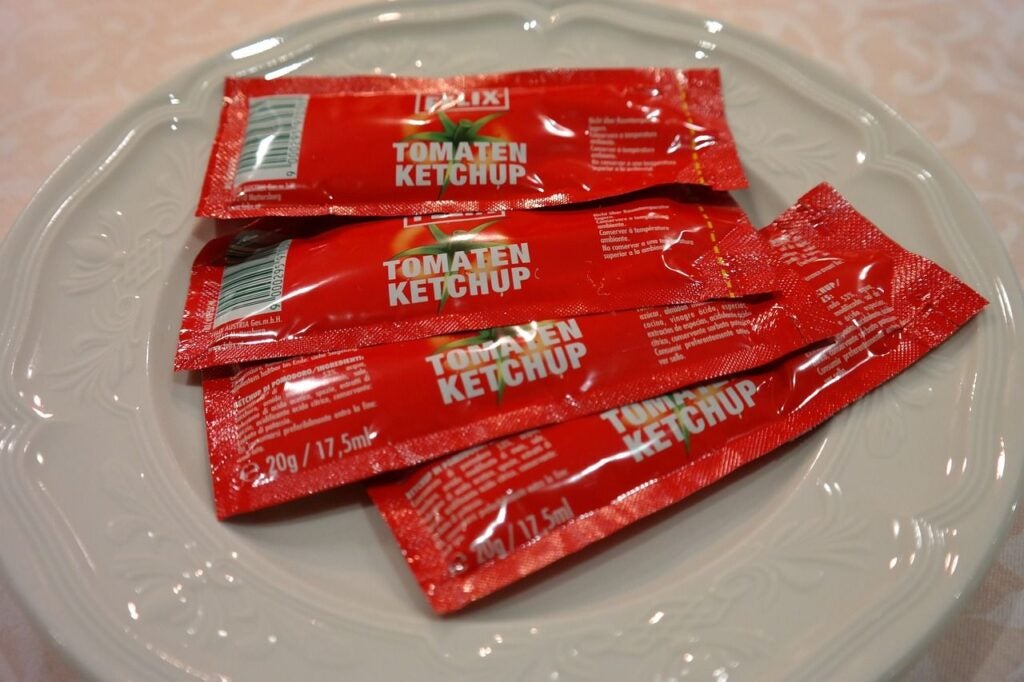
What you may have heard Ketchup contains high-fructose corn syrup and MSG for flavoring and sweetness. You may have heard these ingredients cause cancer. What the science tells us Numerous studies have shown that high-fructose corn syrup is harmful to your health, increasing your risk of weight gain, type 2 diabetes, metabolic syndrome, and high…
What you may have heard A story from 2013 of a 10-year-old girl with extreme stomach distress became front-page news after her physician attributed her sickness to eating spicy chips. The physician said that the harsh chemicals in these chips cause corrosion in the throat and stomach, causing stomach ulcers and potentially throat cancer. What…

What you may have heard You may have heard that acrylamide (an ingredient in some foods) increases cancer risk. What science tells us Acrylamide is a chemical that is used in industrial processes, such as the production of paper, dyes, and plastics, and consumer products, such as food packaging and adhesives. Acrylamide is also found…
What you may have heard Products that contain palm oil, namely hazelnut spreads, are one of the most recent foods to be flagged as potentially carcinogenic. What science tells us Products containing palm oil, which can contain 3-Monochloropropane-1,2-diol esters (3-MCPD) and glycidyl esters (GE), have been flagged as possibly carcinogenic but only when heated 392…

What you may have heard Aspartame consumption can cause cancer. What science tells us With rising competition to make food sweet and appealing, as well as lower in calories, many companies switched from normal sucrose (table sugar) to sugar substitutes or artificial sweeteners like aspartame, one of the most widely used artificial sweeteners. Aspartame is…