Fact Finder Tool
Discover insights, research, and information to help you navigate cancer-related topics with confidence.
Discover insights, research, and information to help you navigate cancer-related topics with confidence.
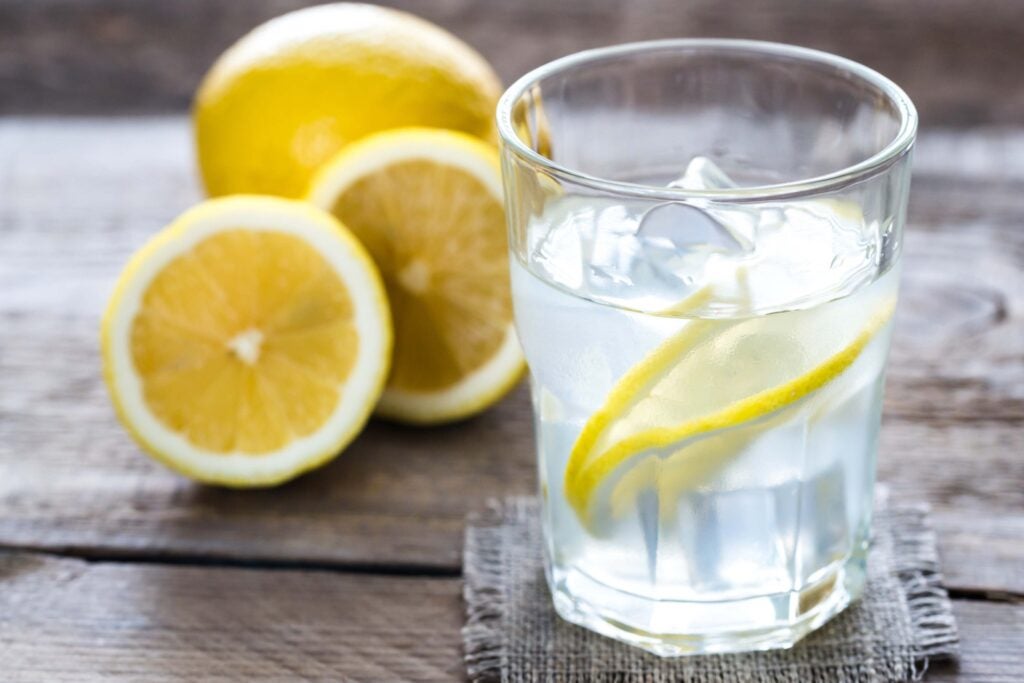
What you may have heard Frequent consumption of hot lemon water is rumored to prevent or cure cancer. What the science tells us There is no scientific evidence that lemon water has anti-cancer properties. Lemons contain Vitamin C and other antioxidants, which are good for overall health, but no studies show that drinking lemon water,…
What you may have heard Some claim that kombucha, a fermented tea drink, can prevent or even cure cancer due to its potentially detoxifying and immune-boosting effects. What the science tells us Kombucha is made by adding a Symbiotic Culture of Bacteria and Yeast (SCOBY) to fermented sweetened tea. While kombucha contains probiotics and antioxidants…

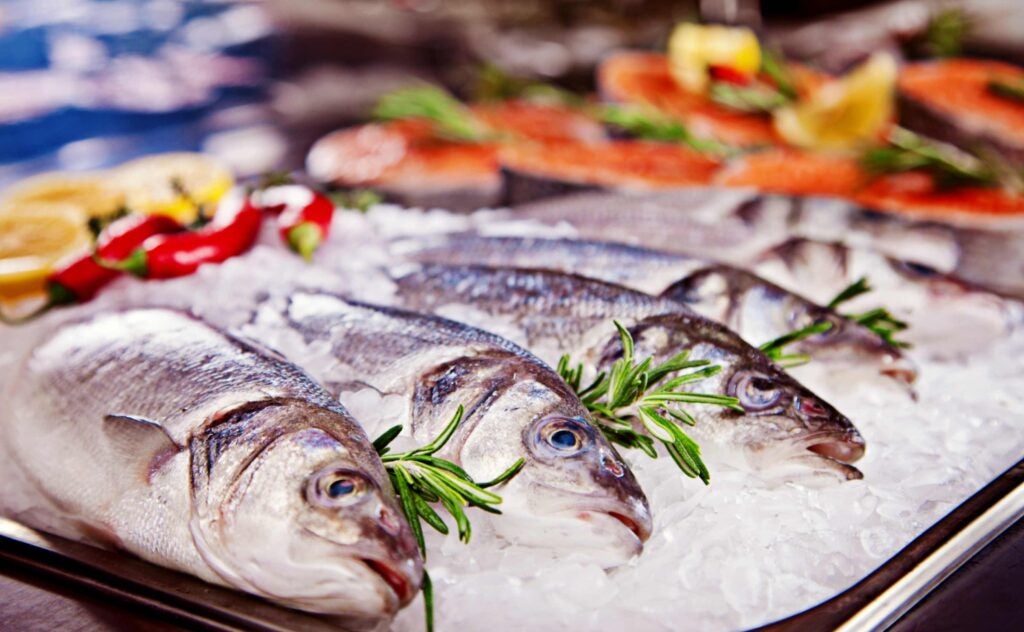
What you may have heard Frequent consumption of fish can put you at a higher risk of developing melanoma. What the science tells us Fish is widely recommended in dietary guidelines as a valuable source of protein, heart-healthy omega-3 fatty acids, and other essential nutrients. Despite these benefits, some studies have explored a possible link…
What you may have heard Some people claim that frequently drinking green tea can prevent cancer. What the science tells us Green tea is often seen as a healthy beverage because it contains antioxidants and has anti-inflammatory effects. While animal studies suggest that compounds in green tea may slow the growth of cancer cells, epidemiological…

What you may have heard Over a decade ago, a claim circulated on social media that drinking cold water after a meal causes cancer. The basis of the claim is that cold water supposedly solidifies fats in the stomach, creating a “sludge” that lines the intestines, eventually turning into fat deposits and causing cancer. What…

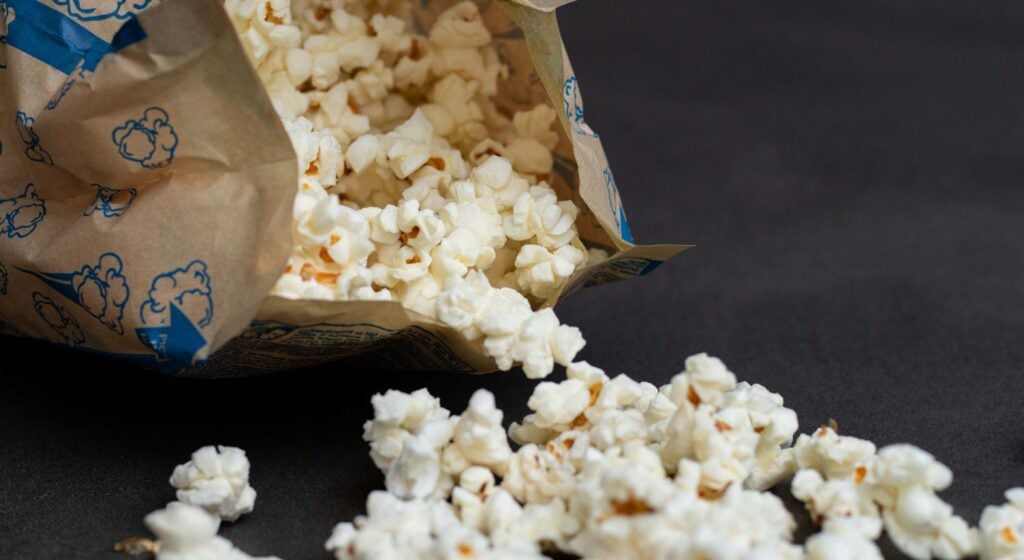
What you may have heard Some people believe that microwave popcorn causes cancer, especially because of chemicals once used in the bags or artificial butter flavoring. What science tells us Microwave popcorn itself is not linked directly to cancer. Concerns have focused on older packaging materials that contained PFAS and butter flavorings that contained a…
What you may have heard Glyphosate, the main ingredient in the herbicide Roundup, has been called a potential cancer-causing chemical. Some lawsuits and media coverage have claimed that people exposed to glyphosate developed cancer, especially non-Hodgkin lymphoma. This has led to confusion and concern about whether glyphosate causes cancer in humans. What science tells us…

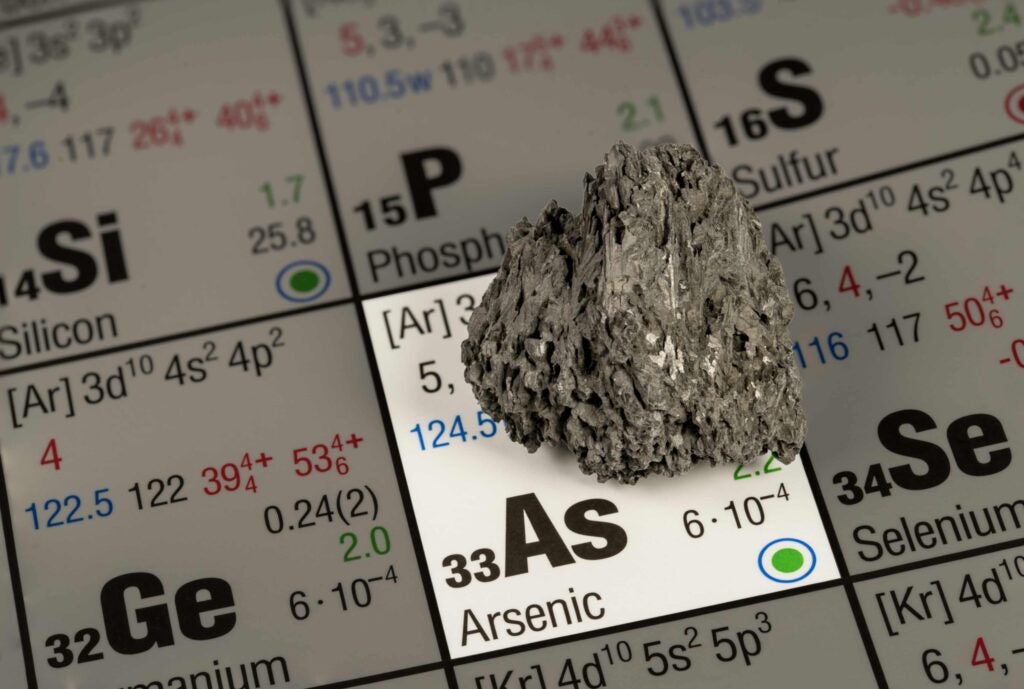
What you may have heard People often worry that arsenic exposure, especially through contaminated drinking water, can cause cancer. That concern comes from studies showing higher cancer rates in areas with high arsenic levels. What science tells us Inorganic arsenic compounds, including those found in contaminated water and occupational settings, are classified by IARC as…
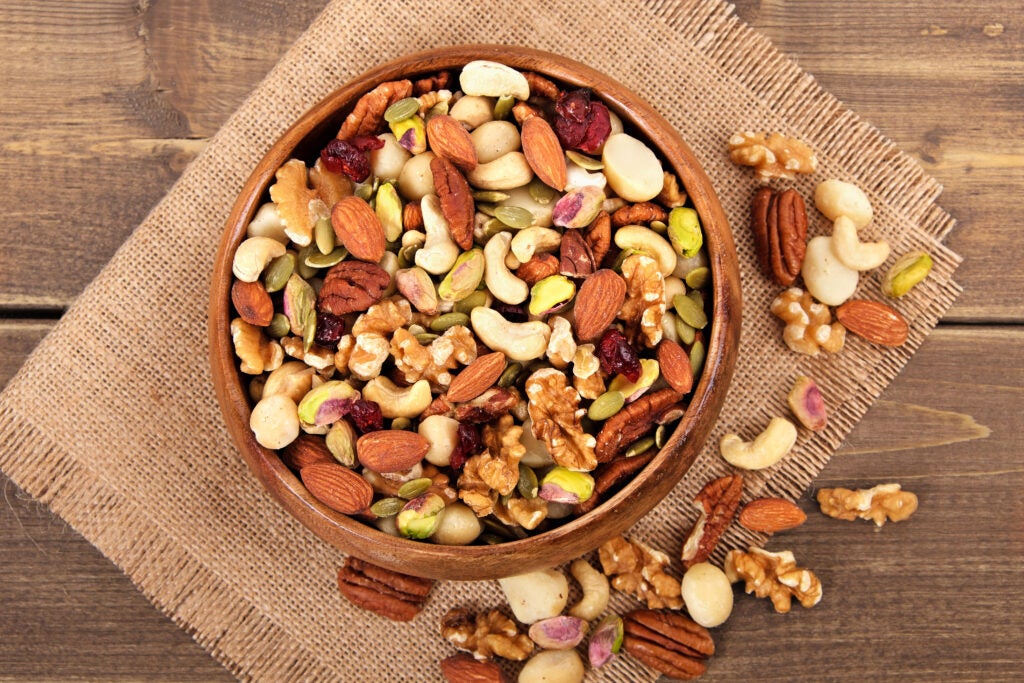
What you may have heard You might have heard that eating moldy grains or nuts can increase your cancer risk. This concern is often linked to something called aflatoxins, toxic substances produced by certain types of mold, especially in warm and humid regions. What science tells us Aflatoxins are naturally occurring toxins made by Aspergillus…
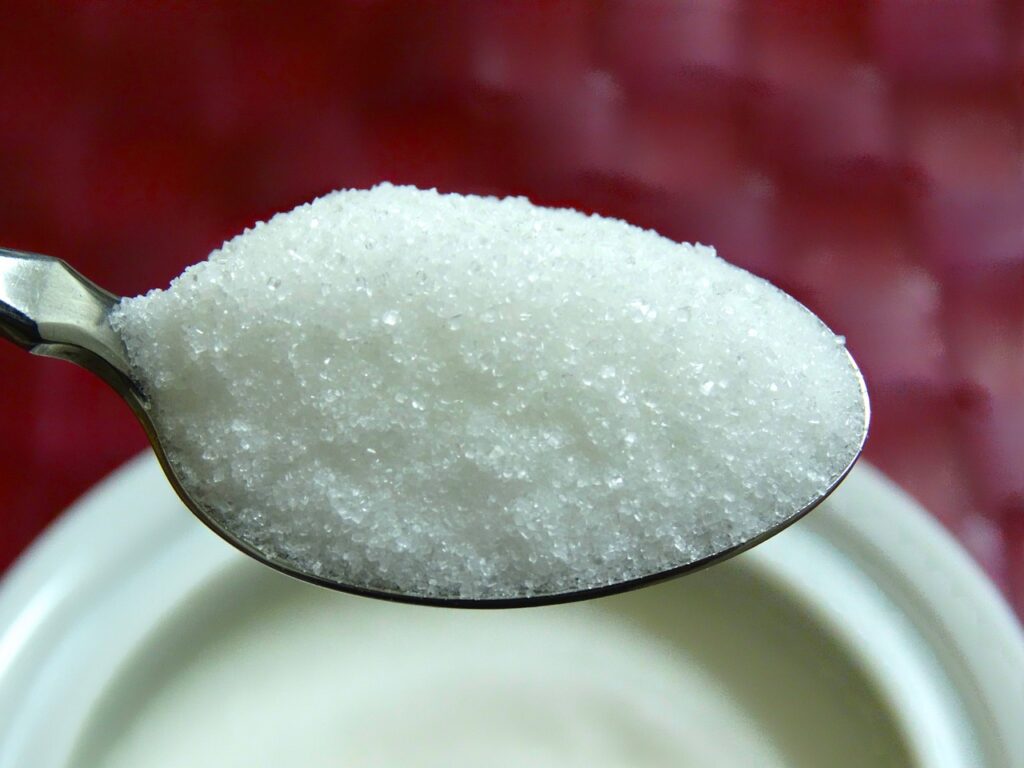
What you may have heard You might have heard that sugar directly feeds cancer cells and causes cancer to grow and spread more quickly. What science tells us Epidemiological Evidence: Research shows that while all cells in our body, including cancer cells, use sugar (glucose) as a source of energy, sugar does not specifically “feed”…
What you may have heard Soft drinks, including sugar-sweetened beverages (SSB) and artificially sweetened beverages (ASB), have been linked to an increased risk of cancer. This includes both common and rare types of cancers, with significant concern around liver cancer and breast cancer. What the science tells us Emerging evidence from observational studies suggests a…

What you may have heard Red Dye 3, used in foods and cosmetics, is linked to cancer. What science tells us Red Dye 3, also known as FD&C Red No. 3, Red Dye No. 3, and Red Dye 3, is a synthetic dye used to color foods, cosmetics, and drugs. It gives products a bright,…