Fact Finder Tool
Discover insights, research, and information to help you navigate cancer-related topics with confidence.
Discover insights, research, and information to help you navigate cancer-related topics with confidence.
What you may have heard Ketogenic diets (KD), which are high in fats and low in carbohydrates, can improve cancer treatment outcomes. What science tells us A ketogenic diet produces ketone bodies from fats, reducing glucose and insulin levels. This might help stop cancer cells from growing and promote their death through processes like ferroptosis…

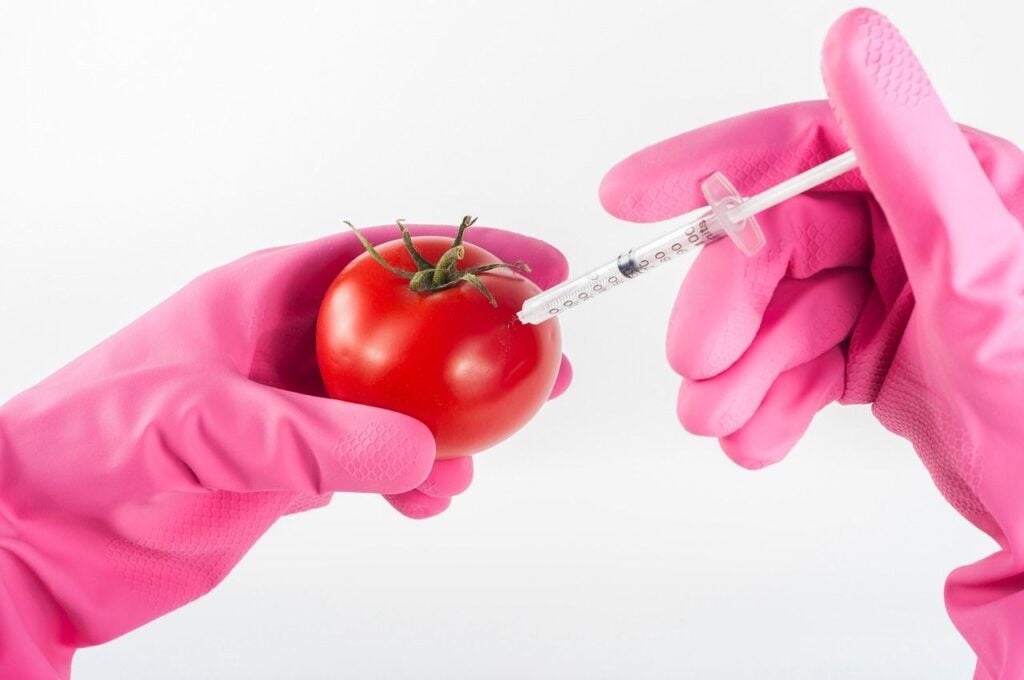
What you may have heard Consuming genetically modified foods increases the risk of developing cancer. What the science tells us Epidemiological Evidence Laboratory Evidence/Supporting Evidence IARC Carcinogen Classification: not classified. How to reduce your risk Genetically modified foods are considered safe and are not likely to increase your risk of cancer. However, if you would…
What you may have heard Fluoride, which is commonly added to drinking water to prevent tooth decay, is linked to an increased risk of cancer. What the science tells us Epidemiological Evidence: Numerous large-scale epidemiological studies have investigated the possible connection between fluoride levels in drinking water and cancer rates. Most of these studies have…

What you may have heard Fasting has been suggested as a beneficial practice for cancer patients, potentially improving the effectiveness of treatments and reducing their adverse effects. What science tells us Fasting, including intermittent fasting, involves periods of reduced or no-calorie intake. Emerging evidence indicates that fasting might foster conditions that limit cancer cell growth…

What you may have heard Decaf coffee made using methylene chloride can cause cancer because the chemical is harmful. What the science tells us Methylene chloride is a chemical solvent used in various industries, including paint stripping, foam manufacturing, cleaning, and degreasing. It is known to be harmful and can cause cancer, heart problems, and…

What you may have heard Colon cleansing can lower the risk of colorectal cancer by removing toxins and waste from the colon. What the science tells us The colon, an integral part of the digestive system, is responsible for absorbing water, salts, and nutrients from ingested food before expelling solid waste. It plays a vital…

What you may have heard Brominated vegetable oil (BVO) has been linked to cancer. What science tells us Brominated vegetable oil (BVO) is a food additive, made from vegetable oil modified with bromine that is used in some soft drinks to keep citrus flavoring from separating. BVO can accumulate in body fat, as well as…

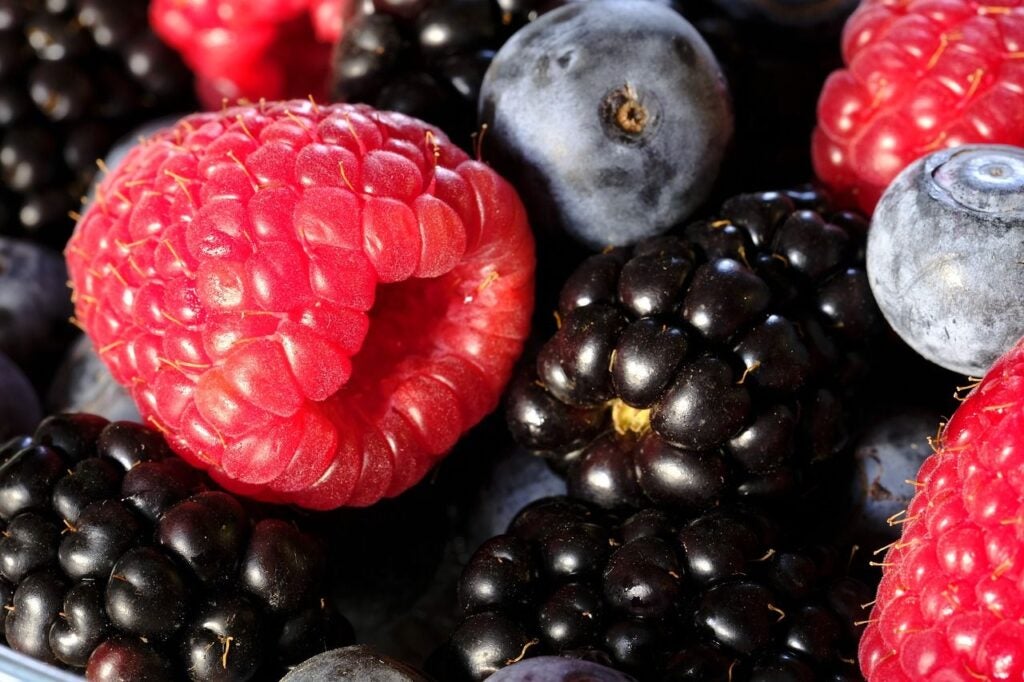
What you may have heard You might have heard that eating berries, such as strawberries, blueberries, raspberries, and blackberries, can help prevent cancer. What science tells us Berries are rich in antioxidants, such as vitamin C, quercetin, and anthocyanins, which help neutralize free radicals and reduce oxidative stress, a key factor in cancer development. Scientific…
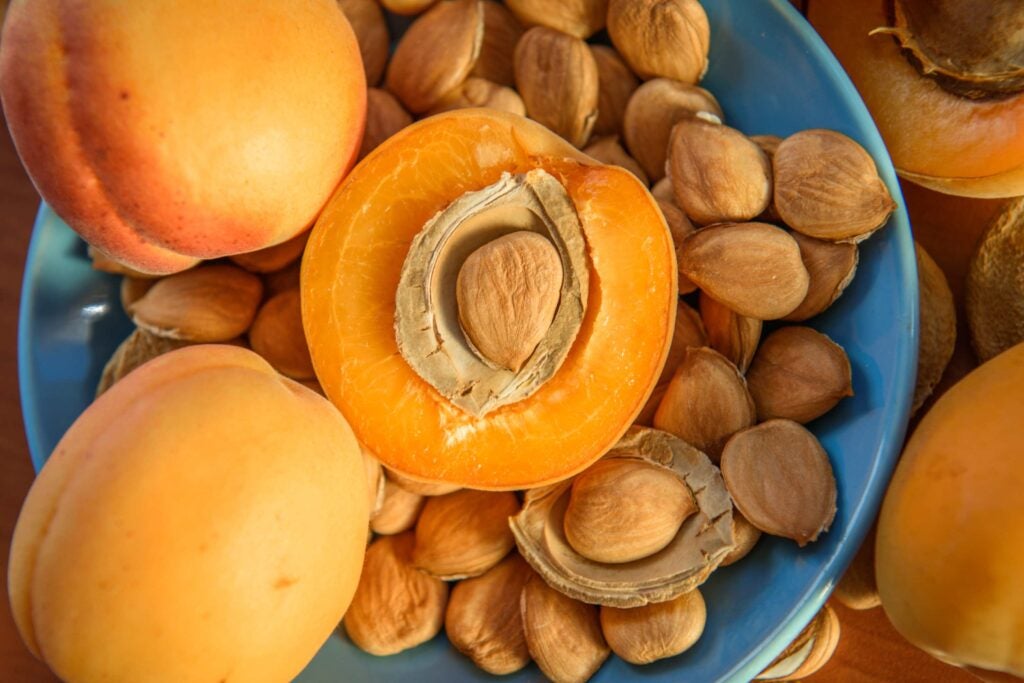
What you may have heard Apricot seeds cure cancer by targeting cancer cells and leaving normal cells unharmed. What the science tells us Apricot seeds contain amygdalin, a natural substance. Laetrile is a partly synthetic form of amygdalin. It is sometimes referred to as vitamin B17, though it is not actually a vitamin. Pharmaceutical companies…
What you may have heard There are claims that apple cider vinegar (ACV) can treat or prevent cancer. This belief is based on the idea that ACV can create a more alkaline environment in the body, making it less hospitable for cancer cells to grow. What the science tells us In chemistry, the pH scale…
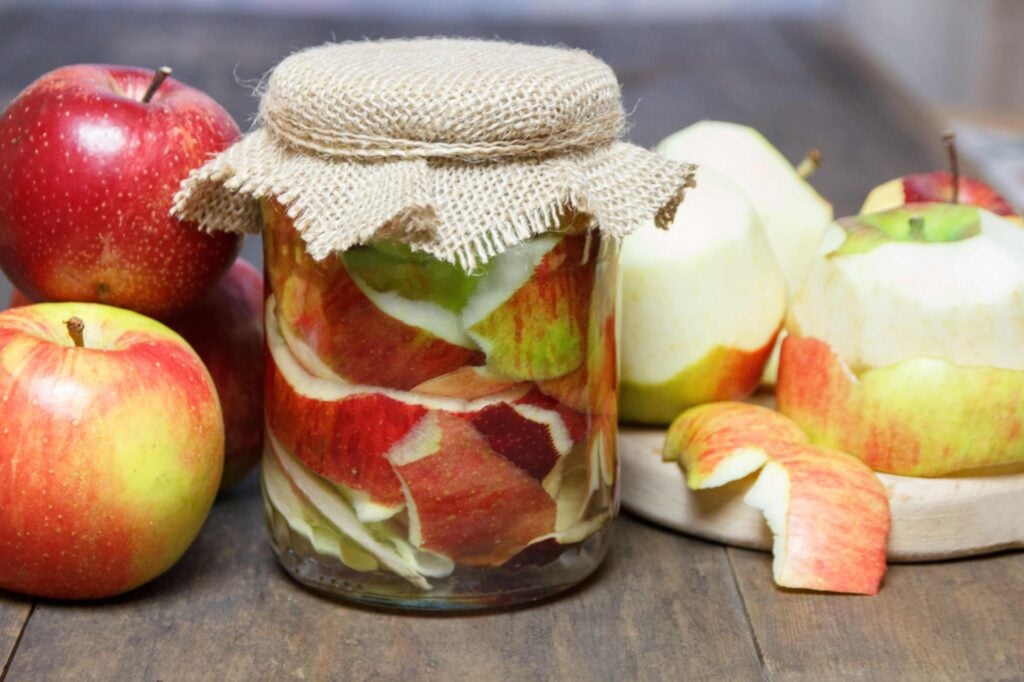
What you may have heard Antioxidant supplements, such as vitamins A, C, and E, can help prevent cancer and other diseases. What the science tells us Antioxidants are substances, either synthetic or naturally occurring, that can help prevent or slow down certain types of cellular damage. They are present in a variety of foods, particularly…
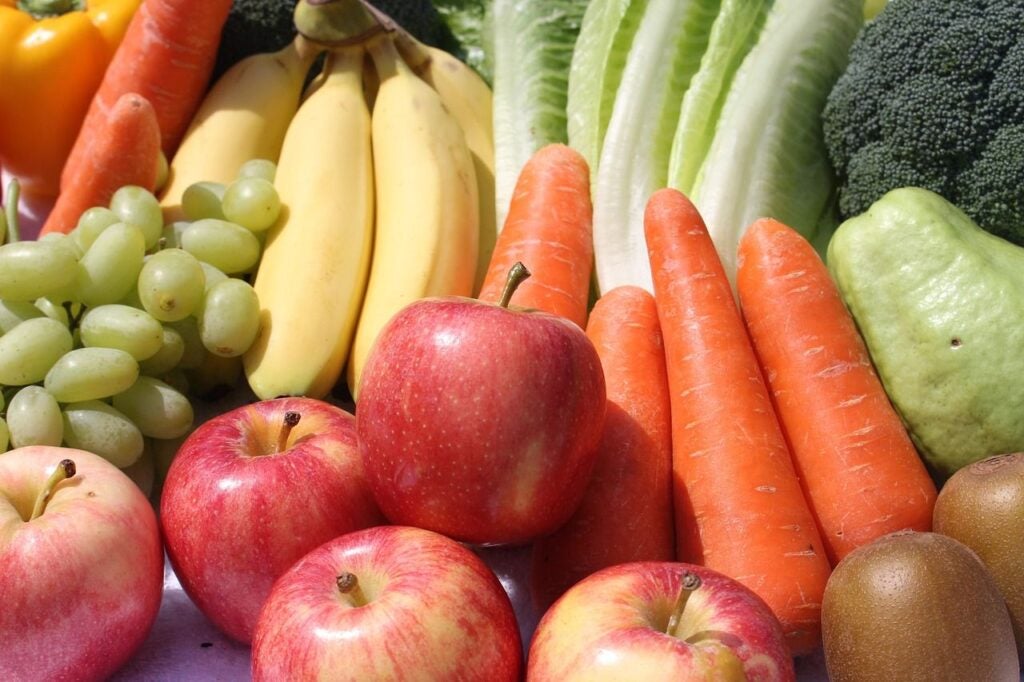
What you may have heard Adopting an alkaline diet , which focuses on consuming foods that supposedly create a more alkaline environment in the body, can protect against cancer. This diet often involves eating more fruits and vegetables while reducing intake of meat and processed foods. What the science tells us The evidence on whether…