Skip to content

What you may have heard

Frequent egg consumption can increase your risk of cancer.

What the science tells us

Eggs support overall health and are a key source of protein, fat, vitamins, and minerals. They also contain high levels of cholesterol and their relationship with heart health remains debated. Concerns about cancer risk stem from both cholesterol and choline found in egg yolks. However, whether eggs are linked to cancer risk is unclear and evidence is limited.

Epidemiological Evidence

Some studies suggest possible associations between egg consumption and hormone-related cancers, including prostate, breast, and ovarian cancers:

  • A meta-analysis of observational studies found that high egg intake was associated with an increased risk of ovarian cancer (Zeng et al.), though statistical significance varied by study design and was primarily seen in case-control studies. Case-control studies are more prone to recall bias and are generally considered less reliable than cohort studies for evaluating nutritional exposures.
  • A cohort study found that high egg consumption was associated with an increased risk of developing lethal prostate cancer among healthy men (Richman et al.).
  • Another meta-analysis linked egg intake with a slightly increased risk of breast cancer, particularly in European, Japanese, and postmenopausal populations (Si et al.).

In each of these cases, researchers called for additional prospective cohort studies, emphasizing the need for further long-term research to clarify these relationships.

How to reduce your risk

Although eggs are not clearly linked to cancer, dietary guidelines often suggest limiting consumption due to concerns about cholesterol and cardiovascular health.

  • Moderate egg intake: most healthy adults can eat up to seven eggs per week. Individuals with high cholesterol or other cardiovascular issues should consult with a healthcare professional for diet recommendations.
  • Choose healthier cooking methods (e.g., boiled or poached eggs instead of fried).
  • Prioritize a balanced diet with diverse protein sources.

Bottom line

While some findings suggest potential links between eggs and cancer, current evidence is limited, and further longitudinal research is needed. For most people, eggs can be part of a healthy diet when eaten in moderation.


What you may have heard

Frequent consumption of hot lemon water is rumored to prevent or cure cancer.

What the science tells us

There is no scientific evidence that lemon water has anti-cancer properties. Lemons contain Vitamin C and other antioxidants, which are good for overall health, but no studies show that drinking lemon water, whether hot or cold, has any special effect on cancer risk or outcomes.

Laboratory Evidence/Supporting Evidence

Claims related to lemon water and cancer prevention may stem from limonene. Limonene is a natural compound found in the peels of citrus fruits that, according to animal studies, may slow cancer growth (MSKCC). However, there is no evidence that these effects occur in humans or result from drinking lemon water.

How to reduce your risk

No single food or beverage can prevent or cure cancer. A healthy lifestyle, such as maintaining a balanced diet, exercising regularly, and following recommended cancer screenings, is the best way to lower your risk. It is crucial to follow medical advice from your doctor when considering treatment options.

Bottom line

While lemon water is fine to drink, there is no evidence that it can prevent or cure cancer.

To read more about healthy hydration, check out The Nutrition Source, an initiative of the Harvard School of Public Health Department of Nutrition.

What you may have heard

Some claim that kombucha, a fermented tea drink, can prevent or even cure cancer due to its potentially detoxifying and immune-boosting effects.

What the science tells us

Kombucha is made by adding a Symbiotic Culture of Bacteria and Yeast (SCOBY) to fermented sweetened tea. While kombucha contains probiotics and antioxidants that may support overall health, research on its effects is extremely limited. Kombucha has not been proven to prevent or treat cancer in humans.

Epidemiological Evidence

There is no epidemiological evidence to support this claim.

Laboratory Evidence/Supporting Evidence

Kombucha has demonstrated antioxidant, antimicrobial, and anti-inflammatory effects in preclinical animal and in vitro (cell) studies (Abaci et al.), but these findings have not been replicated in humans.

How to reduce your risk

Kombucha can pose safety risks depending on how and where it is made.

  • Lead poisoning has been reported when kombucha is brewed in ceramic pots, and harmful bacteria can grow if it is made in unsanitary conditions (Mayo Clinic). Purchase kombucha from reputable sources.
  • If you are pregnant, breastfeeding, or have a weakened immune system, it is best to avoid kombucha due to the potential presence of bacteria and yeast.

Bottom line

Evidence to support the claim that kombucha can prevent or treat cancer is lacking. While kombucha has shown some health benefits in animal and in vitro studies, it is unclear whether these findings translate to humans. More research is needed.

What you may have heard

Frequent consumption of fish can put you at a higher risk of developing melanoma.

What the science tells us

Fish is widely recommended in dietary guidelines as a valuable source of protein, heart-healthy omega-3 fatty acids, and other essential nutrients. Despite these benefits, some studies have explored a possible link between fish consumption and melanoma, a serious type of skin cancer. Environmental contaminants found in certain fish may play a role, but the relationship is complex and not yet fully understood.

Epidemiological Evidence

In an observational study, researchers from Brown University followed nearly 500,000 individuals for over 15 years. They found that those who reported eating the most fish had a 22% higher risk of developing melanoma than those who ate the least fish (Li et al.). This association was consistent for total fish intake, tuna, and non-fried fish, and was observed for both malignant and in situ melanomas.

The increased risk may be related to contaminants in fish, such as mercury, PCBs (polychlorinated biphenyls), and other environmental toxins. While this study indicates a potential link, it does not prove that fish consumption causes melanoma. Further research is needed to better understand this relationship.

Laboratory Evidence/Supporting Evidence

There is currently no laboratory research regarding fish consumption and melanoma.

How to reduce your risk

The American Cancer Society continues to recommend fish as part of a healthy diet. However, if you are concerned about the risks associated with melanoma:

  • opt for fish with lower levels of mercury (e.g., salmon, sardines, clams);
  • focus on sun protection by limiting exposure and using sunscreen (spf ≥ 30) regularly.

Bottom line

Some research has raised questions about a link between fish and melanoma, but the evidence is not currently strong enough to change dietary guidelines. Fish remains a nutritious choice, especially when you choose low-mercury options. The most effective way to reduce your risk of melanoma is by protecting your skin from the sun.

What you may have heard

Some people claim that frequently drinking green tea can prevent cancer.

What the science tells us

Green tea is often seen as a healthy beverage because it contains antioxidants and has anti-inflammatory effects. While animal studies suggest that compounds in green tea may slow the growth of cancer cells, epidemiological research has not shown clear or consistent results. At this time, there is no strong evidence that green tea can prevent cancer in humans.

Epidemiological Evidence

Limited epidemiological research has examined the link between green tea consumption and cancer risk. Existing findings are mixed and inconclusive. More high-quality, large-scale randomized controlled trials (studies that randomly assign participants to different groups to test an effect) are needed to better understand this relationship.

Laboratory Evidence/Supporting Evidence

Animal studies have shown some evidence of cancer-preventive properties from natural compounds in green tea called polyphenols, especially epigallocatechin-3-gallate (EGCG). These compounds may help inhibit cancer cell growth and trigger cell death (Yang et al.). However, their mechanisms are not fully understood, and scientists recommend further research to investigate the potential preventive effects of green tea.

How to reduce your risk

Although green tea is not proven to protect against cancer, you can lower your overall risk by maintaining a healthy lifestyle through eating well, staying active, and following recommended cancer screening guidelines.

Bottom line

Findings from animal studies do not necessarily apply to people, and there is currently no evidence that green tea prevents cancer in humans. While it may offer general health benefits from antioxidant and anti-inflammatory properties, green tea should not be relied on for cancer prevention.

What you may have heard

Some people believe that microwave popcorn causes cancer, especially because of chemicals once used in the bags or artificial butter flavoring.

What science tells us

Microwave popcorn itself is not linked directly to cancer. Concerns have focused on older packaging materials that contained PFAS and butter flavorings that contained a chemical called diacetyl. Most popcorn brands no longer use these ingredients.

Epidemiological Evidence

  • A 2019 study using National Health and Nutrition Examination Survey (NHANES) data found that regular microwave popcorn consumption was linked to significantly higher blood levels of several PFAS chemicals, likely due to chemicals from the bag transferring onto the popcorn. In contrast, eating food prepared at home was associated with lower PFAS levels. The findings support concerns about PFAS exposure from food packaging and suggest the need for safer alternatives in food-contact materials (PMID: 31596611).
  • A 2020 study found that eating microwave popcorn was linked to significantly higher blood levels of four PFAS chemicals, likely due to PFAS in popcorn bags (PMID: 32463326).

Laboratory Evidence / Supporting Evidence

  • PFAS chemicals used in popcorn bags were phased out starting in the mid-2000s. The FDA no longer allows certain long-chain PFAS in food-contact materials. Current exposure levels from microwave popcorn are expected to be low (FDA).

IARC Carcinogen Classification

Group

PFAS chemicals such as PFOA are not classified by IARC but are considered “likely carcinogens” by the U.S. EPA.

How to reduce your risk

  • Choose microwave popcorn labeled as PFAS-free.
  • Use air-popped or stovetop popcorn with minimal oil.
  • Limit other sources of PFAS in your diet and environment (like fast food wrappers or nonstick cookware).

Bottom line

There’s no strong evidence that microwave popcorn causes cancer. Older products contained chemicals that raised concern, but most brands have since removed them. Choosing PFAS-free popcorn and preparing it at home can reduce exposure.

Check out these recipes from the Boston Medical Center Teaching Kitchen for popping corn on your stovetop and mixing flavorful toppings.

What you may have heard

Glyphosate, the main ingredient in the herbicide Roundup, has been called a potential cancer-causing chemical. Some lawsuits and media coverage have claimed that people exposed to glyphosate developed cancer, especially non-Hodgkin lymphoma. This has led to confusion and concern about whether glyphosate causes cancer in humans.

What science tells us

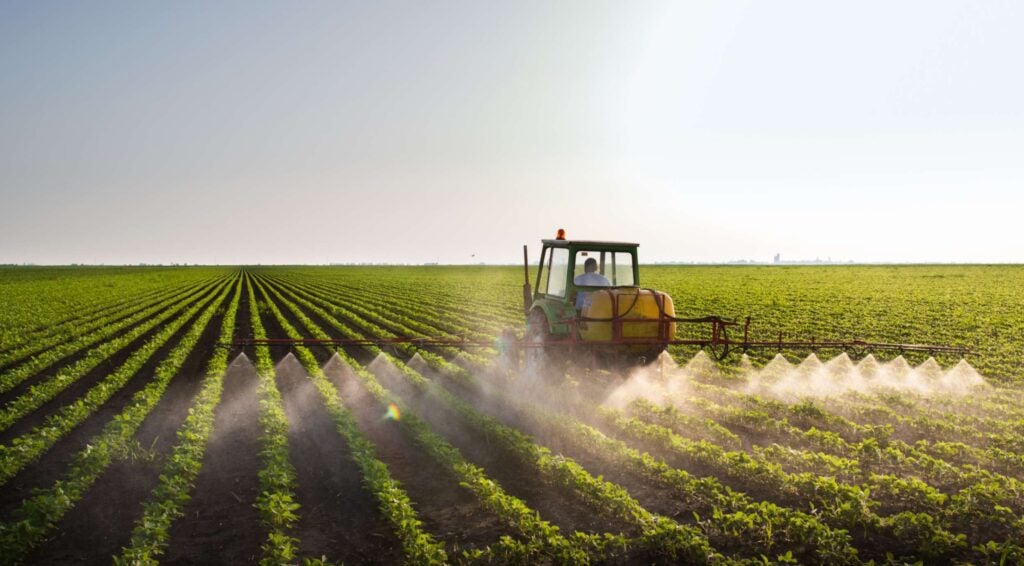
Glyphosate is one of the most commonly used herbicides worldwide. It’s used on major crops like corn and soybeans and can be found in trace amounts in food, air, and water (EPA). Because of how widely it is used, researchers have studied glyphosate for decades to understand its possible effects on cancer risk. Although some studies have found a potential link between glyphosate and non-Hodgkin lymphoma, especially in high-exposure populations, others have not. Government agencies and international research groups have reached different conclusions about whether glyphosate causes cancer, which has made this issue difficult to settle.

Epidemiological Evidence

  • The U.S.-based Agricultural Health Study, which followed over 50,000 licensed pesticide applicators for more than two decades, found no association between glyphosate use and overall cancer risk or non-Hodgkin lymphoma (JNCI).
  • A 2019 meta-analysis found that individuals with the highest cumulative glyphosate exposure had a 41% increased risk of non-Hodgkin lymphoma compared to those with the lowest exposure (PMID: 31292884). However, the authors noted that some of the studies had limitations, such as relying on people to remember past exposures, which can be inaccurate, and including too few participants to draw strong conclusions.
  • These mixed results have made it difficult for scientists to reach a consensus on whether glyphosate increases cancer risk in humans.

Laboratory Evidence / Supporting Evidence

  • The International Agency for Research on Cancer (IARC) cited animal studies showing that glyphosate exposure caused tumors in mice and rats. These included increases in rare tumors, such as kidney and skin tumors, at high doses (IARC).
  • Laboratory studies also found that glyphosate can cause cell and DNA damages in human cells at high concentrations (ESE).
  • However, the U.S. EPA concluded that glyphosate is “not likely to be carcinogenic to humans” at expected exposure levels, pointing out that the doses used in many animal studies are much higher than what most people would experience (EPA).

IARC Carcinogen Classification:

Group 2A – Probably carcinogenic to humans
This classification comes from a mix of findings, such as only limited evidence in people, clear evidence in animals, and lab studies showing cell and DNA damage.

How to reduce your risk

If you’re concerned about glyphosate exposure, consider avoiding glyphosate-based products in your garden or yard. Instead, pull weeds by hand every couple of weeks before they establish deep roots (NC State). Flame weeders, which briefly heat plants to kill them, are a chemical-free option for cracks and gravel areas, while steam or hot-foam methods are safer in flammable settings, though they require caution to prevent burns (NC State). If you work in agriculture or landscaping, use protective gear like gloves, long sleeves, and eye protection when handling herbicides (EPA).

Bottom line

Some studies suggest that high glyphosate exposure may be linked to non-Hodgkin lymphoma, but large long-term studies have not consistently supported this. Animal and lab studies suggest it’s possible that glyphosate could affect cancer risk, but those results don’t always apply to people.

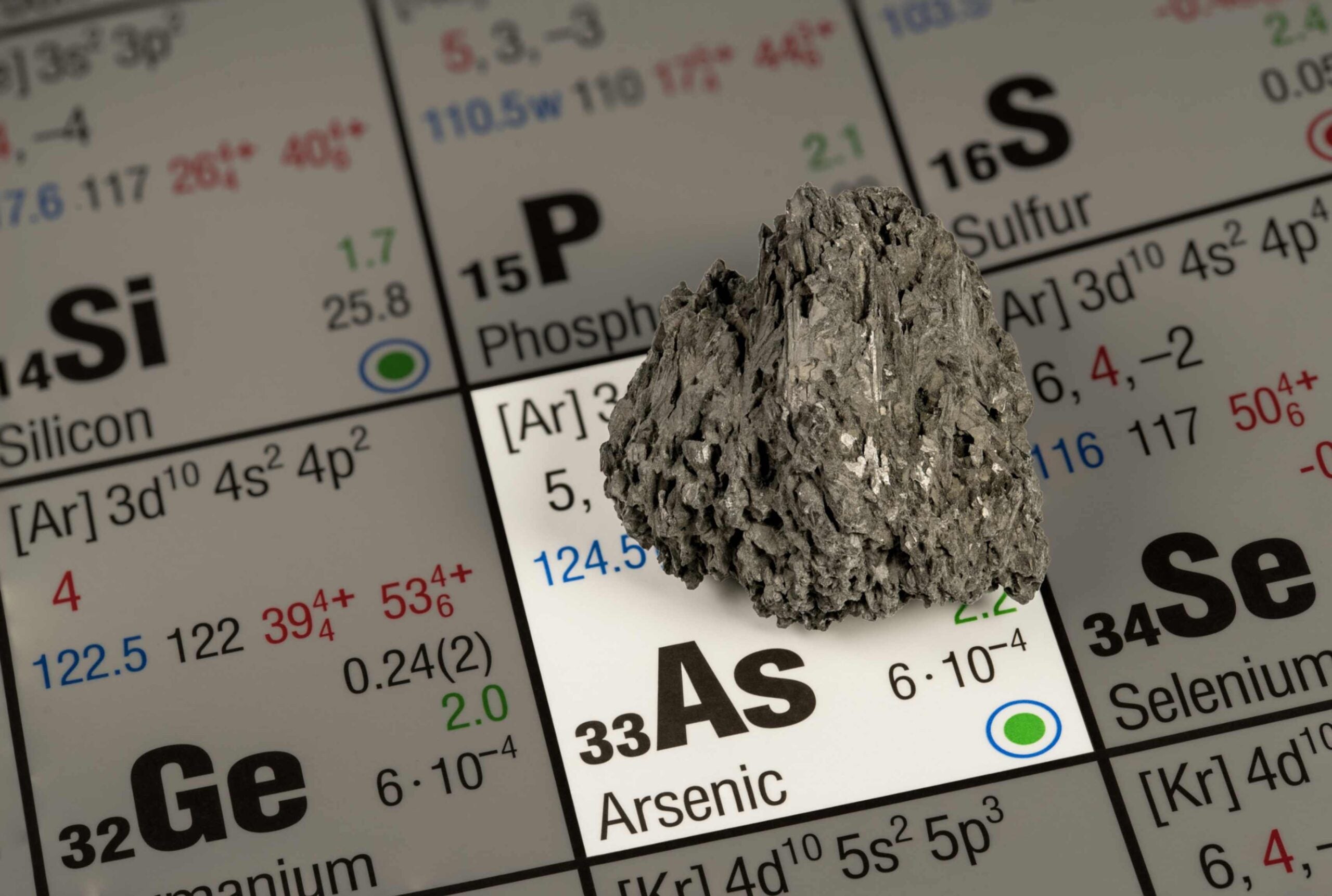
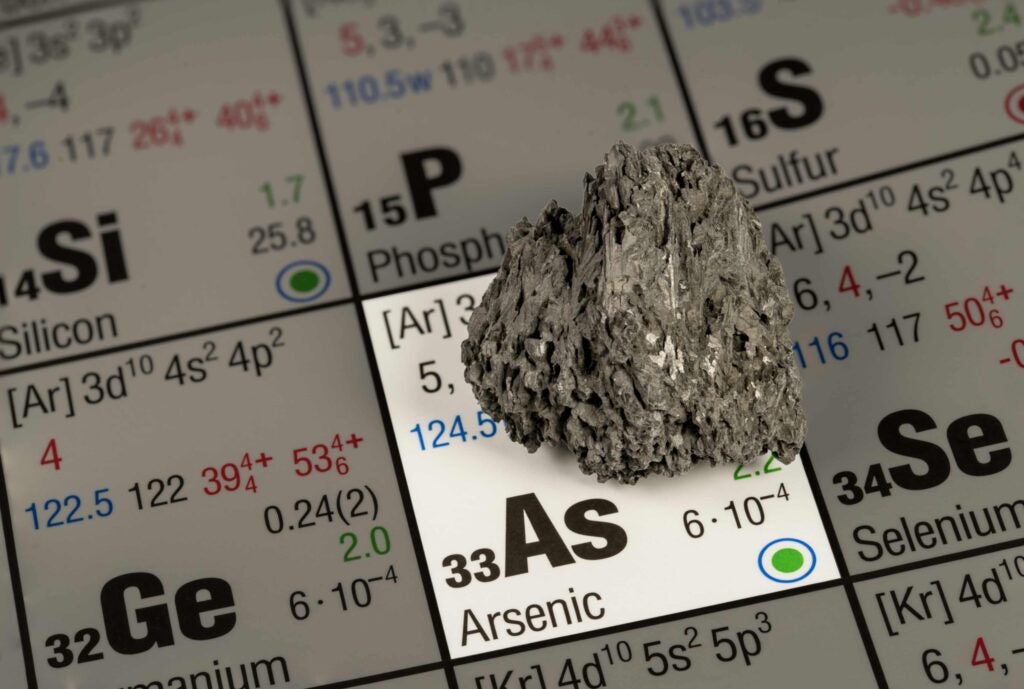
What you may have heard

People often worry that arsenic exposure, especially through contaminated drinking water, can cause cancer. That concern comes from studies showing higher cancer rates in areas with high arsenic levels.

What science tells us

Inorganic arsenic compounds, including those found in contaminated water and occupational settings, are classified by IARC as Group 1 carcinogens, which means there is sufficient evidence they cause cancer in humans. Major agencies such as the U.S. Environmental Protection Agency (EPA), National Toxicology Program (NTP), and National Cancer Institute (NCI) also recognize arsenic as carcinogenic based on robust human data (ACS) (IARC).

Epidemiological Evidence

  • Large-scale human studies consistently show that long-term ingestion of arsenic-contaminated water is associated with increased risks of skin, bladder, and lung cancers. Researchers in Bangladesh and Taiwan have reported strong dose-response relationships; for example, Taiwanese villages with well water above 10 µg/L had significantly elevated bladder cancer rates, sometimes with risks doubling or more. (PubMed)
  • In occupational settings, such as tin miners in China exposed to airborne arsenic, lung cancer risk was dramatically higher, by as much as 20-fold, among workers with long-term exposure. (PubMed)

Laboratory Evidence / Supporting

Animal and mechanistic studies support the human data. Inorganic arsenic exposure in rodents causes cancer in the skin, bladder, and urinary tract, especially when combined with other carcinogens. Arsenic is also known to interfere with DNA repair and to promote oxidative stress, which are key mechanisms in carcinogenesis. (NLM)

IARC Carcinogen Classification

IARC classifies arsenic and inorganic arsenic compounds as Group 1 – Carcinogenic to humans based on sufficient evidence from human and animal studies. This includes cancers of the lung, bladder, and skin, with limited evidence for liver, kidney, and prostate cancers (IARC).

How to reduce your risk

  • People should test private wells and use treatment systems or bottled water if arsenic levels exceed safety standards such as 10 µg/L, the U.S. guideline.
  • Regulatory agencies and public health advocates should prioritize clean water access in affected areas. Occupational safeguards like respiratory protection and exposure limits are also essential.

Bottom line

There is clear and consistent evidence that inorganic arsenic causes cancer in humans, particularly of the skin, bladder, and lung. Controlling exposure, especially through drinking water, is a key public health priority.

What you may have heard

You might have heard that eating moldy grains or nuts can increase your cancer risk. This concern is often linked to something called aflatoxins, toxic substances produced by certain types of mold, especially in warm and humid regions.

What science tells us

Aflatoxins are naturally occurring toxins made by Aspergillus flavus and Aspergillus parasiticus, fungi that grow on improperly stored food such as maize, peanuts, and tree nuts. Aflatoxin B1, the most toxic form, is one of the most potent liver carcinogens known. Risk is highest in countries with limited food safety controls, but low-level contamination can also occur globally.

Epidemiological Evidence

  • A 2020 review of epidemiological studies found strong evidence linking aflatoxin exposure to liver cancer, particularly in people with hepatitis B infection. Most data come from high-risk populations in sub-Saharan Africa and South Asia, where exposure is common due to poor food storage and limited regulation (PMID: 32231900).
  • A 2012 meta-analysis of 17 studies estimated that aflatoxin exposure accounts for 17–23% of liver cancer cases in high-exposure regions, with higher risk among people with hepatitis B infection. The combined effect of aflatoxin and HBV showed a 73-fold increased risk of liver cancer (PMID: PMC3374897)

Laboratory Evidence / Supporting Evidence

Aflatoxins can damage DNA, including a key gene called TP53 that helps control cell growth. This type of DNA damage is often seen in liver cancers linked to aflatoxin. Animal studies repeatedly show liver tumors after exposure, and aflatoxin B1 is often used in research to understand how chemicals can lead to cancer.

IARC Carcinogen Classification:

Aflatoxin B1: Group 1 – Carcinogenic to humans

How to reduce your risk

  • Avoid eating visibly moldy or bitter-tasting nuts and grains.
  • Buy from sources that follow proper storage and food safety standards.
  • Support policies and programs that promote aflatoxin screening and grain drying technologies, especially in high-risk regions.
  • If you live in an area where hepatitis B is common, getting the HBV vaccine can lower the combined risk from hepatitis B and other liver cancer factors.

Bottom line

There is clear evidence that aflatoxins, especially aflatoxin B1, cause liver cancer in humans. Risk is especially high when combined with hepatitis B infection. Food safety measures can significantly reduce exposure.

What you may have heard

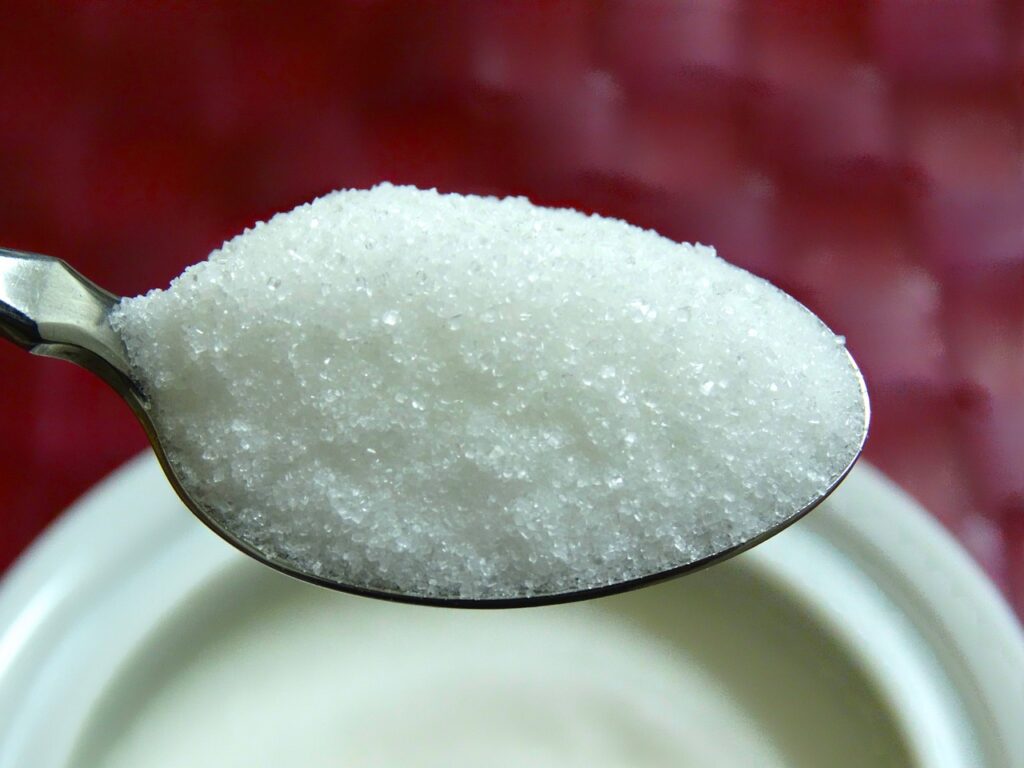
You might have heard that sugar directly feeds cancer cells and causes cancer to grow and spread more quickly.

What science tells us

Epidemiological Evidence:

Research shows that while all cells in our body, including cancer cells, use sugar (glucose) as a source of energy, sugar does not specifically “feed” cancer cells any more than it feeds healthy cells. There is no direct evidence linking sugar consumption to cancer growth. The real concern lies in high sugar intake leading to obesity, which is a known risk factor for several types of cancer, including breast, colorectal, and pancreatic cancer.

Laboratory Evidence/Supporting Evidence:

Laboratory studies have shown that cancer cells metabolize glucose differently from normal cells, a phenomenon known as the Warburg Effect. Cancer cells generate energy rapidly by bypassing their mitochondria, which is why they consume large amounts of glucose. However, this does not mean that reducing sugar intake will starve cancer cells. All cells in the body, both healthy and cancerous, require glucose to function, and there is no way to deprive cancer cells of glucose without also depriving healthy cells.

IARC Carcinogen Classification:

not classified.

How to reduce your risk

  • Choose complex carbohydrates: choose whole foods that contain complex sugars, like fruits and vegetables, which provide essential nutrients and fiber.
  • Choose Alternatives: Drink water, unsweetened tea, or sparkling water instead of sugary beverages. Use spices like cinnamon or nutmeg to add flavor without sugar.
  • Exercise Regularly: Regular physical activity helps maintain a healthy weight and reduces cancer risk.
  • Read Labels: Be mindful of hidden sugars in processed foods, such as sauces, dressings, and ready meals, by reading nutrition labels.

Bottom line

  • Sugar Does Not Feed Cancer. While cancer cells do consume more glucose, there is no way to specifically starve cancer cells of glucose without also harming healthy cells. Eliminating carbohydrates entirely from the diet is not a viable cancer treatment strategy.
  • Although sugar itself does not cause cancer, consuming high amounts of added sugars can lead to weight gain and obesity, which are risk factors for cancer. Additionally, added sugars lack the essential nutrients and benefits found in whole foods.
  • Cancer patients need adequate nutrition to support their bodies during treatment. Restrictive diets that eliminate entire food groups, including carbohydrates, can be detrimental to their health and recovery.

Watch a short video about sugar and cancer risk from the Dana-Farber Cancer Institute below.

Fact Finder Tool

Discover insights, research, and information to help you navigate cancer-related topics with confidence.

959 posts available
6 categories

CLAIM: Eating eggs increases your risk of cancer

What you may have heard Frequent egg consumption can increase your risk of cancer. What the science tells us Eggs support overall health and are a key source of protein, fat, vitamins, and minerals. They also contain high levels of cholesterol and their relationship with heart health remains debated. Concerns about cancer risk stem from…

Read More →

CLAIM: Lemon water prevents cancer

What you may have heard Frequent consumption of hot lemon water is rumored to prevent or cure cancer. What the science tells us There is no scientific evidence that lemon water has anti-cancer properties. Lemons contain Vitamin C and other antioxidants, which are good for overall health, but no studies show that drinking lemon water,…

Read More →

CLAIM: Kombucha prevents or treats cancer

What you may have heard Some claim that kombucha, a fermented tea drink, can prevent or even cure cancer due to its potentially detoxifying and immune-boosting effects. What the science tells us Kombucha is made by adding a Symbiotic Culture of Bacteria and Yeast (SCOBY) to fermented sweetened tea. While kombucha contains probiotics and antioxidants…

Read More →

CLAIM: Fish increases your risk of melanoma

What you may have heard Frequent consumption of fish can put you at a higher risk of developing melanoma. What the science tells us Fish is widely recommended in dietary guidelines as a valuable source of protein, heart-healthy omega-3 fatty acids, and other essential nutrients. Despite these benefits, some studies have explored a possible link…

Read More →

CLAIM: Green tea prevents cancer

What you may have heard Some people claim that frequently drinking green tea can prevent cancer. What the science tells us Green tea is often seen as a healthy beverage because it contains antioxidants and has anti-inflammatory effects. While animal studies suggest that compounds in green tea may slow the growth of cancer cells, epidemiological…

Read More →

CLAIM: Microwave popcorn causes cancer

What you may have heard Some people believe that microwave popcorn causes cancer, especially because of chemicals once used in the bags or artificial butter flavoring. What science tells us Microwave popcorn itself is not linked directly to cancer. Concerns have focused on older packaging materials that contained PFAS and butter flavorings that contained a…

Read More →

CLAIM: Glyphosate causes cancer

What you may have heard Glyphosate, the main ingredient in the herbicide Roundup, has been called a potential cancer-causing chemical. Some lawsuits and media coverage have claimed that people exposed to glyphosate developed cancer, especially non-Hodgkin lymphoma. This has led to confusion and concern about whether glyphosate causes cancer in humans. What science tells us…

Read More →

CLAIM: Arsenic causes cancer

What you may have heard People often worry that arsenic exposure, especially through contaminated drinking water, can cause cancer. That concern comes from studies showing higher cancer rates in areas with high arsenic levels. What science tells us Inorganic arsenic compounds, including those found in contaminated water and occupational settings, are classified by IARC as…

Read More →

CLAIM: Aflatoxins cause cancer

What you may have heard You might have heard that eating moldy grains or nuts can increase your cancer risk. This concern is often linked to something called aflatoxins, toxic substances produced by certain types of mold, especially in warm and humid regions. What science tells us Aflatoxins are naturally occurring toxins made by Aspergillus…

Read More →

CLAIM: Sugar feeds cancer

What you may have heard You might have heard that sugar directly feeds cancer cells and causes cancer to grow and spread more quickly. What science tells us Epidemiological Evidence: Research shows that while all cells in our body, including cancer cells, use sugar (glucose) as a source of energy, sugar does not specifically “feed”…

Read More →