Fact Finder Tool
Discover insights, research, and information to help you navigate cancer-related topics with confidence.
Discover insights, research, and information to help you navigate cancer-related topics with confidence.
What you may have heard Potassium bromate is used in baking and is linked to cancer. What science tells us Potassium bromate is a flour improver used in baking to strengthen dough, increase bread volume, and produce a fine crumb structure. It is commonly found in white flour, bread, and rolls. Potassium bromate has been…

What you may have heard High consumption of dairy products may cause cancer. What the science tells us Epidemiological Evidence Evidence on the relationship between dairy products and cancer risk is mixed and varies by type of cancer. Dairy consumption is associated with a lower risk of colorectal cancer (WCRF), while some prospective cohort studies…
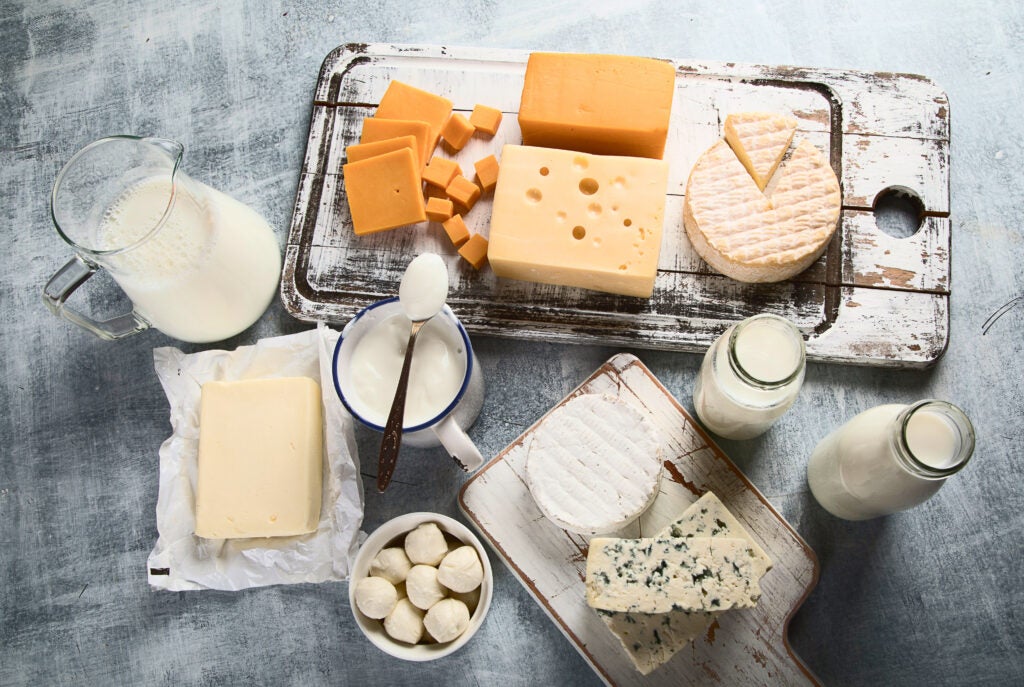
What you may have heard Consuming brown rice may increase your risk of cancer due to arsenic exposure. This concern contrasts with the common belief that brown rice has many nutritional benefits, including high fiber and nutrient content. What the science tells us Arsenic accumulates in the outer layers of the rice grain, which makes…
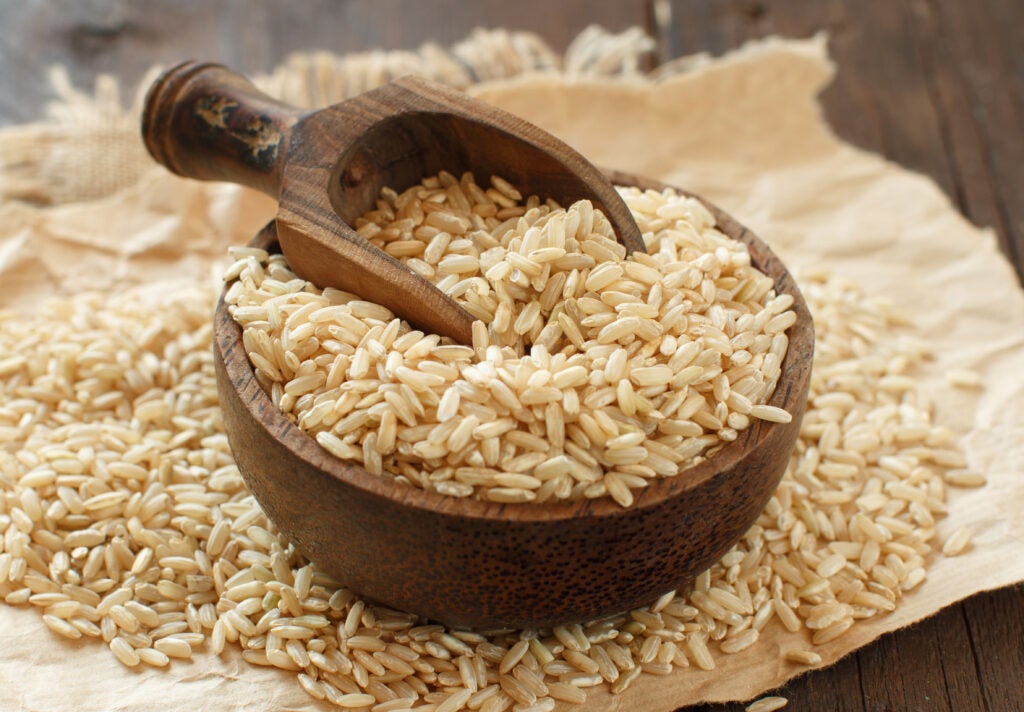
What you may have heard Concerns have been raised that when you cook food in aluminum foil, the aluminum can seep into the food and may be linked to cancer and other health issues. What the science tells us Aluminum foil is generally considered safe for cooking. While it is true that small amounts of…

What you may have heard Frequent consumption of very hot beverages, like tea and maté, can raise your risk of developing esophageal cancer. What the science tells us Repeatedly drinking hot beverages can damage the lining of the esophagus, which may increase the risk of cancer over time. The International Agency for Research on Cancer…

What you may have heard Soy contains phytoestrogens, plant-based compounds including isoflavones, that can weakly mimic estrogen in the body. This has raised concerns that consuming soy products can increase your risk of breast cancer. What the science tells us Epidemiological Evidence Current evidence strongly suggests that soy does not cause breast cancer. In fact,…
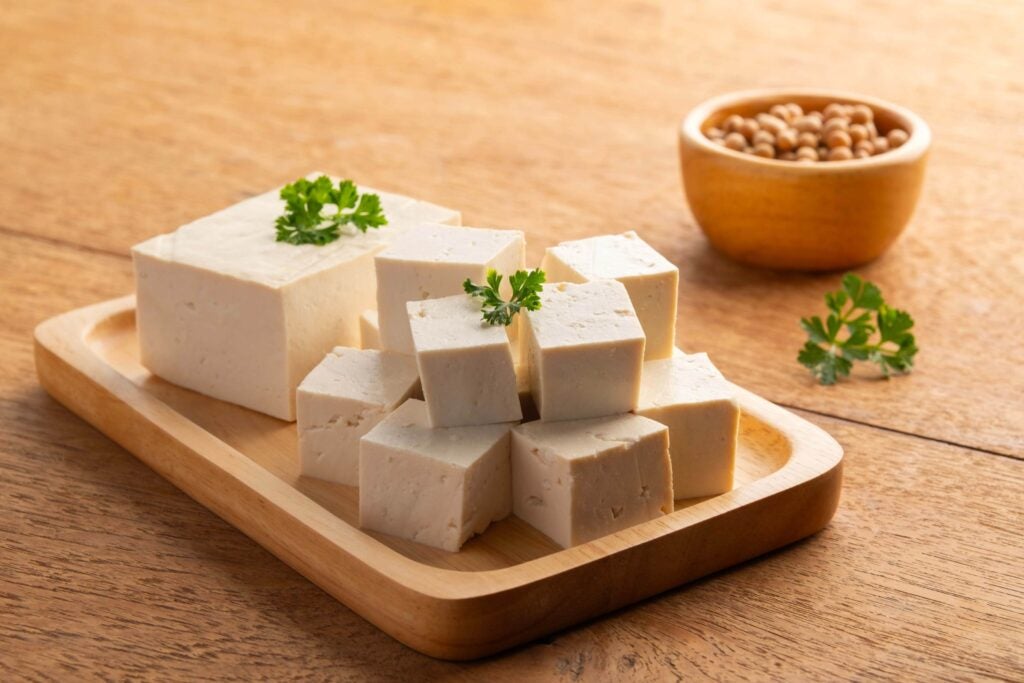
What you may have heard High consumption of salt-preserved and pickled foods can increase your risk of gastric cancer. What the science tells us Salt-preserved food includes pickled vegetables, salted fish, and cured meat. Research suggests a correlation between salt-preserved foods and cancer risk, particularly in East Asian countries where consumption tends to be high.…

What you may have heard Peanut butter consumption can increase your risk of cancer due to potential aflatoxin contamination. What the science tells us Aflatoxins are a family of carcinogenic compounds produced by mold and can be found on various crops, including peanuts, tree nuts, and corn. If contaminated peanuts are used in production, aflatoxins…

What you may have heard Adhering to a vegetarian diet can reduce your risk of developing cancer. What the science tells us Plant-based foods are rich in vitamins, minerals, and antioxidants that support overall health. They contain phytochemicals, naturally occurring compounds found in fruits, vegetables, beans, nuts, grains, and seeds, that may help decrease cancer…
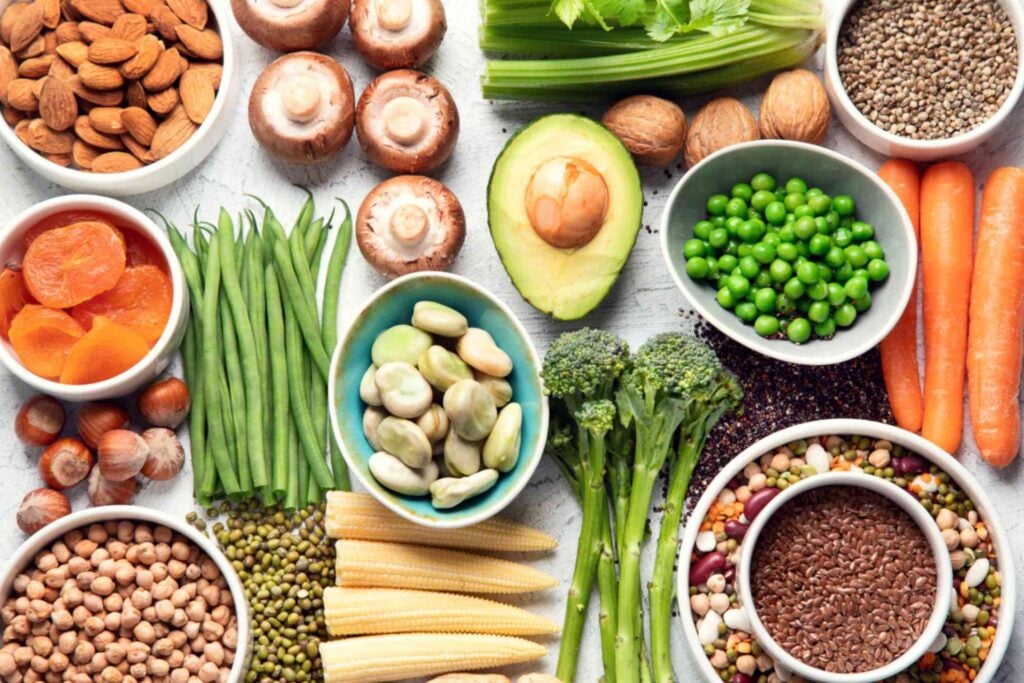
What you may have heard Frequent yogurt consumption may decrease your risk of colorectal cancer. What the science tells us Yogurt contains beneficial bacteria that support a healthy gut microbiome, which, according to the National Cancer Institute (NCI), may help slow cancer development and improve response to cancer therapies. Recent studies suggest that long-term yogurt…
What you may have heard Eating garlic can lower your risk of developing gastrointestinal cancers. What the science tells us Garlic contains naturally occurring allium compounds that may slow cancer development by supporting healthy cell function and affecting processes involved in tumor growth. Laboratory research suggests that garlic may reduce the risk of certain gastrointestinal…
What you may have heard Frequent egg consumption can increase your risk of cancer. What the science tells us Eggs support overall health and are a key source of protein, fat, vitamins, and minerals. They also contain high levels of cholesterol and their relationship with heart health remains debated. Concerns about cancer risk stem from…