Fact Finder Tool
Discover insights, research, and information to help you navigate cancer-related topics with confidence.
Discover insights, research, and information to help you navigate cancer-related topics with confidence.
What you may have heard Chemical hair products used to straighten curly or wavy hair may increase your risk of hormone-related cancers. What the science tells us Chemical hair straighteners, also called hair relaxers, have been linked to uterine and ovarian cancers, with exposure greatest among Black women. These products may contain endocrine disrupting chemicals…

What you may have heard People say that jobs with heavy wood dust exposure raise cancer risk. The concern is strongest for cancers in the nasal cavity and paranasal sinuses among furniture makers, carpenters, and other woodworkers. What science tells us Major agencies classify wood dust as carcinogenic to humans. The International Agency for Research…

What you may have heard With worsening wildfires across the U.S. and globally, you may have heard that breathing in wildfire smoke could increase your risk of cancer. Some people are comparing it to cigarette smoke or living near highways. What science tells us Wildfire smoke contains a mix of known cancer-causing pollutants, including fine…

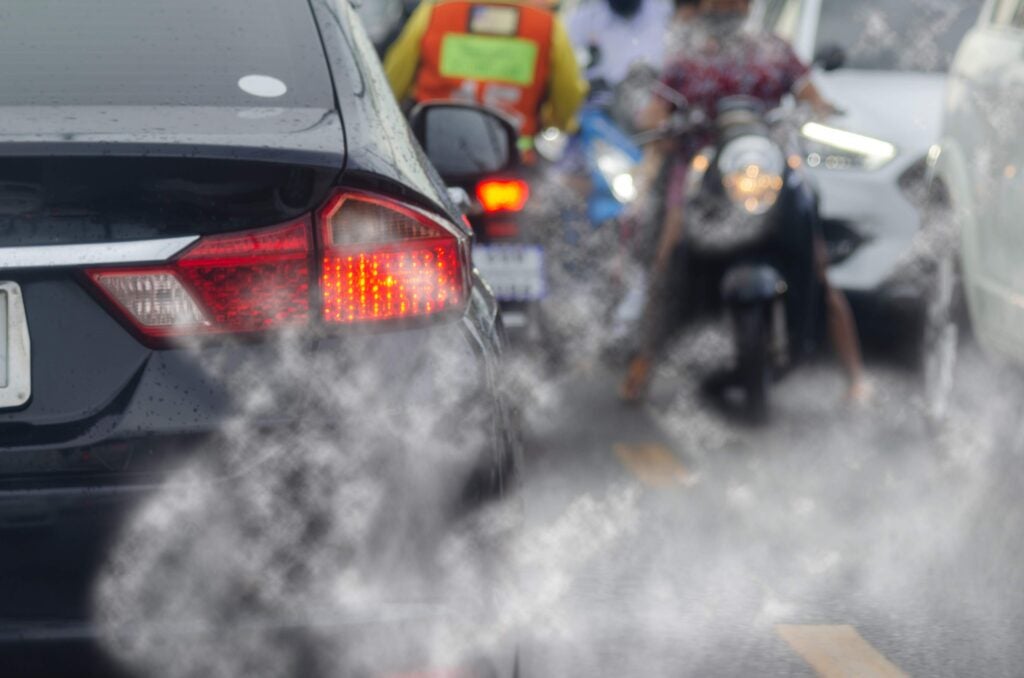
What you may have heard You might’ve heard that living near highways or breathing in car exhaust can increase cancer risk. Some people compare it to secondhand smoke in terms of long-term health effects. What science tells us Traffic-related air pollution contains known carcinogens including benzene, diesel exhaust, and fine particulate matter (PM2.5). Repeated exposure,…
What you may have heard Many people believe that using talcum powder increases cancer risk such as ovarian cancer. Some lawsuits and public concerns center on possible asbestos contamination and inflammation caused by talc itself. What science tells us Asbestos-contaminated talc is classified by IARC as Group 1 (carcinogenic to humans). Even talc not known…

What you may have heard Exposure to shale oil, especially in industrial settings, can cause cancer. What science tells us Shale oil contains carcinogenic compounds, including polycyclic aromatic hydrocarbons (PAHs) and benzene. The International Agency for Research on Cancer (IARC) classifies shale oils as Group 1 carcinogenic to humans based on sufficient evidence from human…

What you may have heard People say that using a sauna can raise your cancer risk. The worry is that repeated high heat might damage tissues and lead to cancer. What science tells us There is no established mechanism or agency classification linking sauna bathing itself to cancer. By contrast, drinking very hot beverages (over…

What you may have heard Some people believe that microwave popcorn causes cancer, especially because of chemicals once used in the bags or artificial butter flavoring. What science tells us Microwave popcorn itself is not linked directly to cancer. Concerns have focused on older packaging materials that contained PFAS and butter flavorings that contained a…

What you may have heard Some people believe that living near high-voltage power lines can cause cancer, especially childhood leukemia. Concerns center on the electromagnetic fields (EMFs) that these lines emit. What science tells us High-voltage lines emit extremely low-frequency EMFs (ELF-EMFs), a weaker form of radiation. This type of radiation is not strong enough…

What you may have heard Glyphosate, the main ingredient in the herbicide Roundup, has been called a potential cancer-causing chemical. Some lawsuits and media coverage have claimed that people exposed to glyphosate developed cancer, especially non-Hodgkin lymphoma. This has led to confusion and concern about whether glyphosate causes cancer in humans. What science tells us…

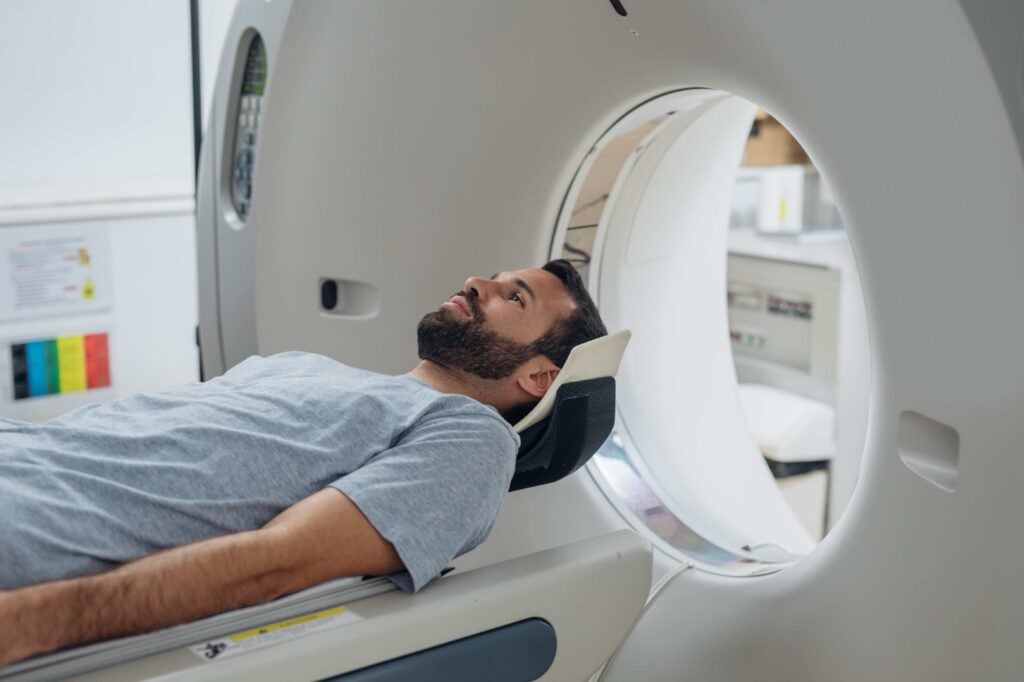
What you may have heard Some people believe that getting CT scans can increase the chance of developing cancer. They point to the higher radiation dose from CT scans compared to regular X-rays as a reason for concern. What science tells us CT scanners use ionizing radiation, which can damage DNA. While most cells repair…
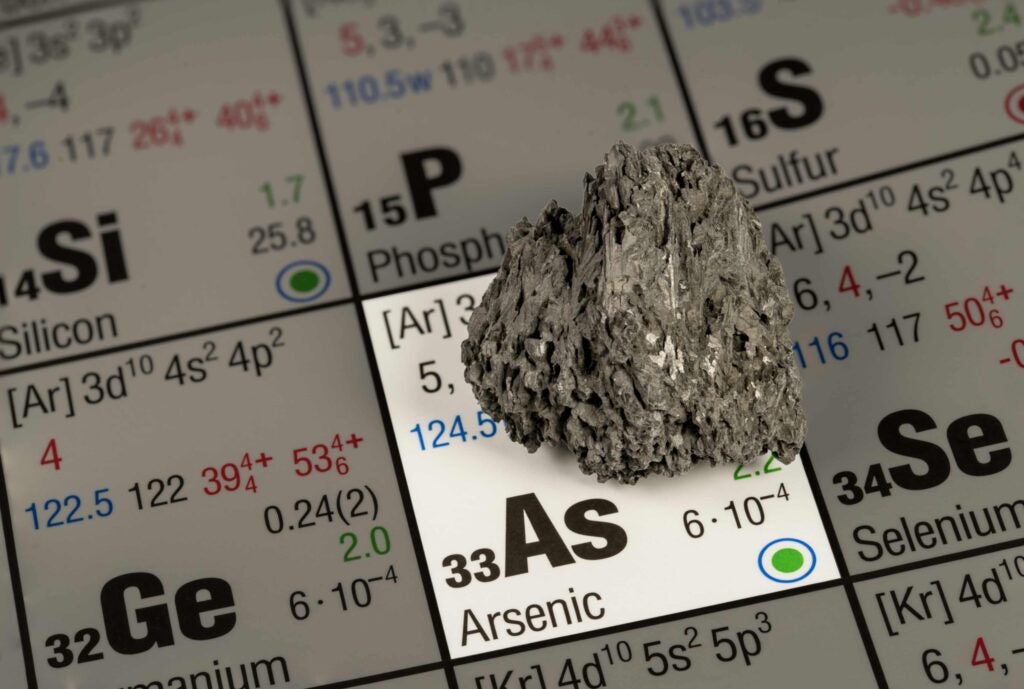
What you may have heard People often worry that arsenic exposure, especially through contaminated drinking water, can cause cancer. That concern comes from studies showing higher cancer rates in areas with high arsenic levels. What science tells us Inorganic arsenic compounds, including those found in contaminated water and occupational settings, are classified by IARC as…