Fact Finder Tool
Discover insights, research, and information to help you navigate cancer-related topics with confidence.
Discover insights, research, and information to help you navigate cancer-related topics with confidence.
What you may have heard High consumption of dairy products may cause cancer. What the science tells us Epidemiological Evidence Evidence on the relationship between dairy products and cancer risk is mixed and varies by type of cancer. Dairy consumption is associated with a lower risk of colorectal cancer (WCRF), while some prospective cohort studies…

What you may have heard Smart and fitness watch bands may contain cancer-causing “forever chemicals” known as PFAS (per- and polyfluoroalkyl substances). These are used in bands made of fluoroelastomer, a kind of synthetic rubber resistant to dirt, water, sweat, and oil. There is growing concern that PFAS in watch bands may be absorbed through…

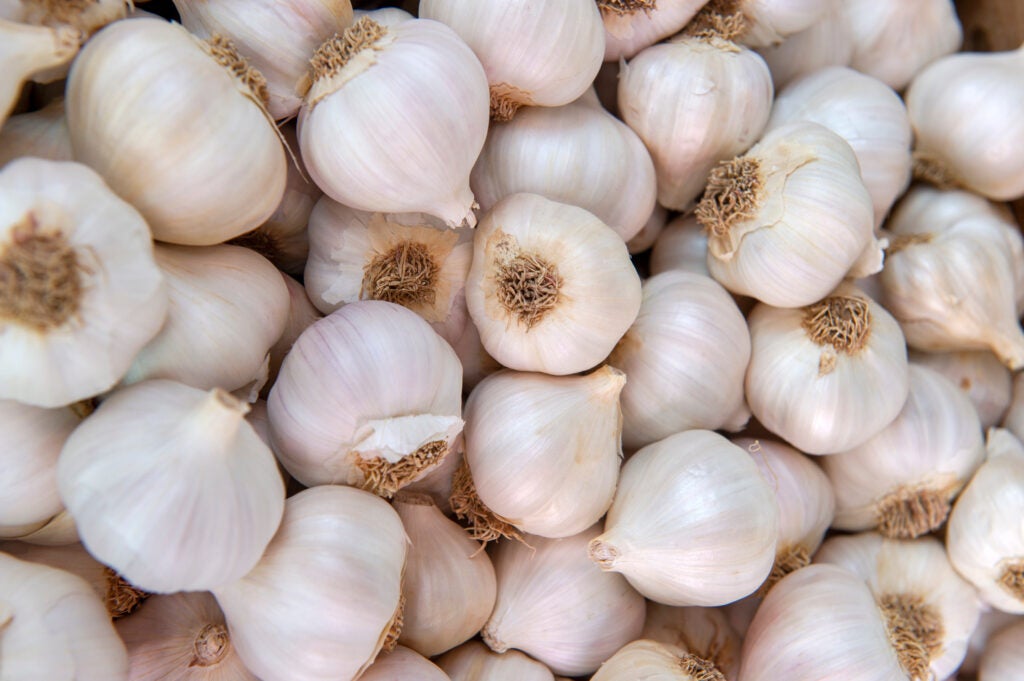
What you may have heard Eating garlic can lower your risk of developing gastrointestinal cancers. What the science tells us Garlic contains naturally occurring allium compounds that may slow cancer development by supporting healthy cell function and affecting processes involved in tumor growth. Laboratory research suggests that garlic may reduce the risk of certain gastrointestinal…
What you may have heard Frequent egg consumption can increase your risk of cancer. What the science tells us Eggs support overall health and are a key source of protein, fat, vitamins, and minerals. They also contain high levels of cholesterol and their relationship with heart health remains debated. Concerns about cancer risk stem from…

What you may have heard Frequent consumption of fish can put you at a higher risk of developing melanoma. What the science tells us Fish is widely recommended in dietary guidelines as a valuable source of protein, heart-healthy omega-3 fatty acids, and other essential nutrients. Despite these benefits, some studies have explored a possible link…

What you may have heard Many people believe that using talcum powder increases cancer risk such as ovarian cancer. Some lawsuits and public concerns center on possible asbestos contamination and inflammation caused by talc itself. What science tells us Asbestos-contaminated talc is classified by IARC as Group 1 (carcinogenic to humans). Even talc not known…

What you may have heard Glyphosate, the main ingredient in the herbicide Roundup, has been called a potential cancer-causing chemical. Some lawsuits and media coverage have claimed that people exposed to glyphosate developed cancer, especially non-Hodgkin lymphoma. This has led to confusion and concern about whether glyphosate causes cancer in humans. What science tells us…

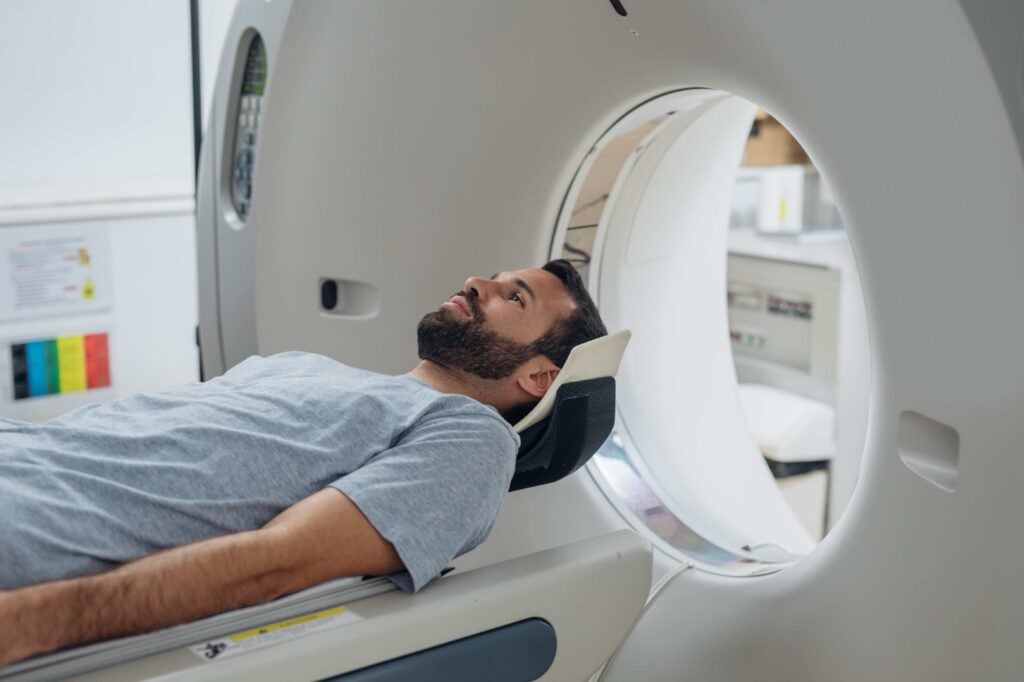
What you may have heard Some people believe that getting CT scans can increase the chance of developing cancer. They point to the higher radiation dose from CT scans compared to regular X-rays as a reason for concern. What science tells us CT scanners use ionizing radiation, which can damage DNA. While most cells repair…
What you may have heard Some athletes and parents have raised concerns that playing on artificial turf, especially turf with crumb rubber infill made from recycled tires, may increase the risk of developing cancer. Media reports and anecdotal clusters of illness have contributed to public concern. What science tells us Artificial turf contains materials that…

What you may have heard People say that using air fresheners at home can raise cancer risk. The concern is that these products release chemicals like VOCs, formaldehyde, and 1,4-dichlorobenzene (EPA). What science tells us Air fresheners and other fragranced products emit VOCs. Some VOCs found indoors, including formaldehyde and benzene, are classified by major…

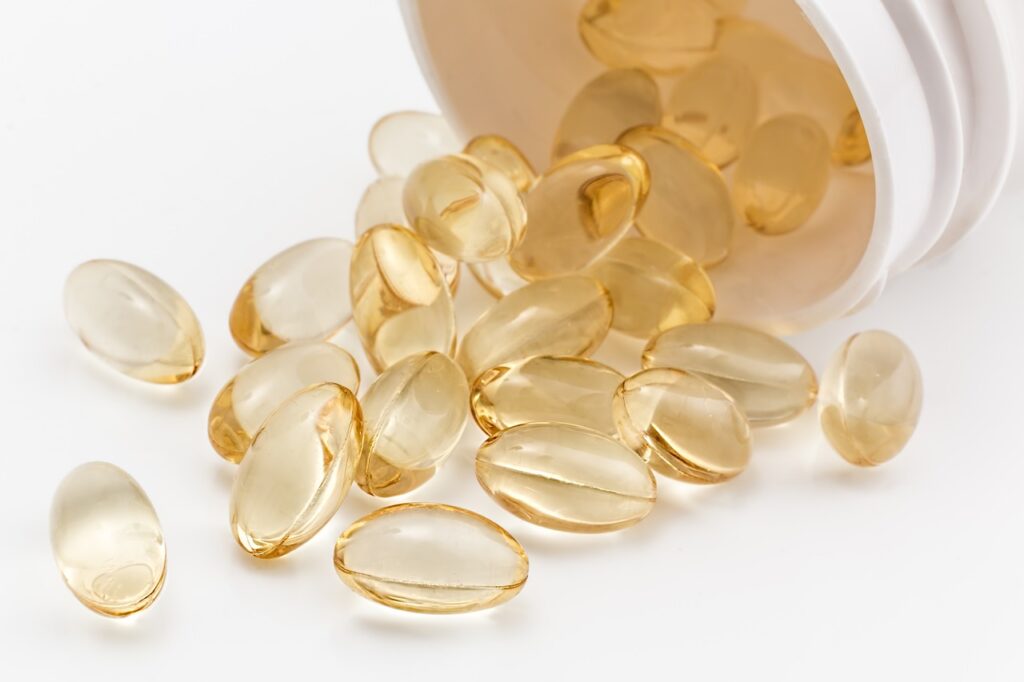
What you may have heard Higher levels of vitamin D can reduce cancer mortality and prevent cancer from becoming advanced. What science tells us Emerging research indicates that vitamin D might play a role in cancer prevention and management. However, the evidence is mixed, and further studies are needed to fully understand its impact. Clinical…
What you may have heard Titanium dioxide, used in food and cosmetics, may cause cancer. What science tells us Titanium dioxide (TiO2) is a mineral used as a whitening agent and pigment in various products, including foods, cosmetics, paints, and plastics. It’s commonly found in personal care items like sunscreens, pressed powders, and loose powders,…