Fact Finder Tool
Discover insights, research, and information to help you navigate cancer-related topics with confidence.
Discover insights, research, and information to help you navigate cancer-related topics with confidence.
What you may have heard Brominated vegetable oil (BVO) has been linked to cancer. What science tells us Brominated vegetable oil (BVO) is a food additive, made from vegetable oil modified with bromine that is used in some soft drinks to keep citrus flavoring from separating. BVO can accumulate in body fat, as well as…

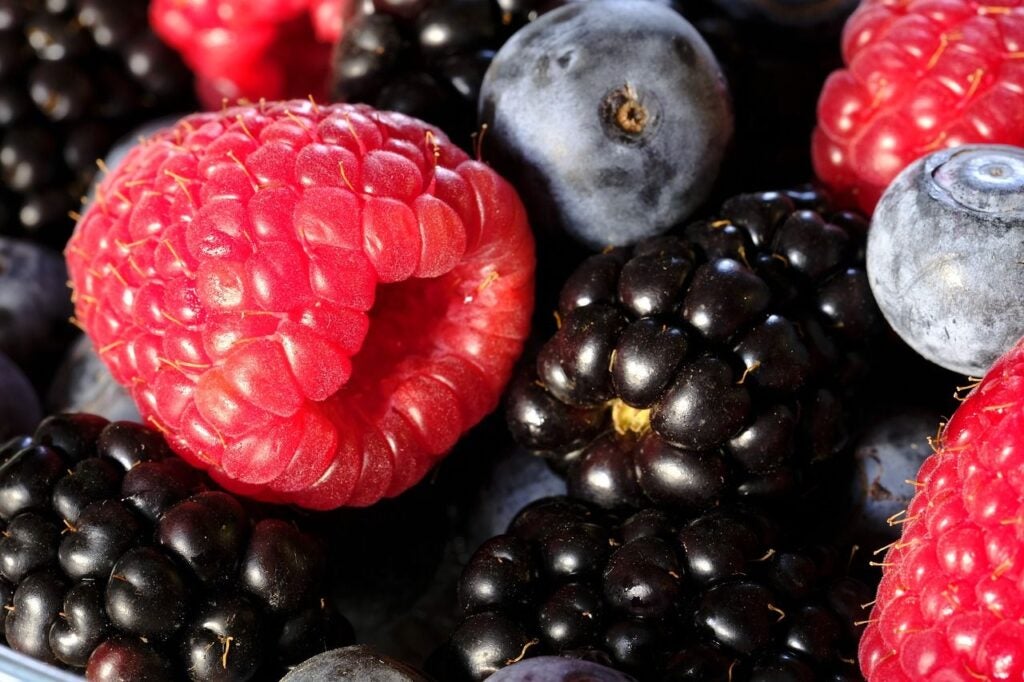
What you may have heard You might have heard that eating berries, such as strawberries, blueberries, raspberries, and blackberries, can help prevent cancer. What science tells us Berries are rich in antioxidants, such as vitamin C, quercetin, and anthocyanins, which help neutralize free radicals and reduce oxidative stress, a key factor in cancer development. Scientific…
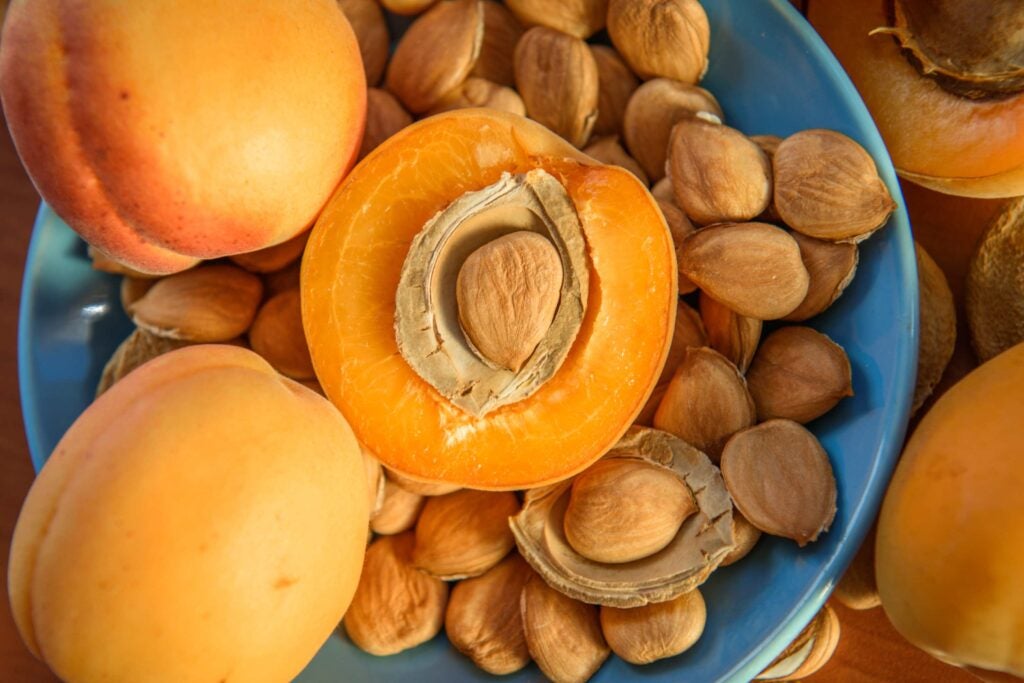
What you may have heard Apricot seeds cure cancer by targeting cancer cells and leaving normal cells unharmed. What the science tells us Apricot seeds contain amygdalin, a natural substance. Laetrile is a partly synthetic form of amygdalin. It is sometimes referred to as vitamin B17, though it is not actually a vitamin. Pharmaceutical companies…
What you may have heard There are claims that apple cider vinegar (ACV) can treat or prevent cancer. This belief is based on the idea that ACV can create a more alkaline environment in the body, making it less hospitable for cancer cells to grow. What the science tells us In chemistry, the pH scale…

What you may have heard Antioxidant supplements, such as vitamins A, C, and E, can help prevent cancer and other diseases. What the science tells us Antioxidants are substances, either synthetic or naturally occurring, that can help prevent or slow down certain types of cellular damage. They are present in a variety of foods, particularly…

What you may have heard Adopting an alkaline diet , which focuses on consuming foods that supposedly create a more alkaline environment in the body, can protect against cancer. This diet often involves eating more fruits and vegetables while reducing intake of meat and processed foods. What the science tells us The evidence on whether…

What you may have heard Breathing polluted air raises the chances of getting cancers like lung cancer and breast cancer. What the science tells us Epidemiological Evidence: Research has shown that long-term exposure to fine particulate matter (PM2.5) is linked to a higher risk of several cancers. A major study, the National Institutes of Health-AARP Diet…

What you may have heard You might have heard that 5G technology can cause cancer because it uses higher frequency waves than older mobile networks. What the science tells us Epidemiological Evidence Many studies have looked into whether cell phones, including 5G, cause cancer. So far, most studies have not found a clear link between…

What you may have heard You may have seen a viral TikTok video claiming that tampons contain an ingredient called titanium dioxide, which is responsible for increasing the risk of cancer. What science tells us Titanium dioxide is used as a pigment in the thread attached to tampons. Less than 0.1% of titanium dioxide is…

What you may have heard Exposure to pesticides can increase the risk of developing cancer. What science tells us Pesticides are typically used in food production and to treat insect infestation. Mosquitos, ticks, rats, and mice can carry diseases, and pesticides can be used to limit human exposures to these pests (EPA). Epidemiological Evidence It…

What you may have heard Commercially manufactured disposable chopsticks contain cancer-causing chemicals. What science tells us The claim that disposable chopsticks contain aflatoxin, a known carcinogen, is unproven. Aflatoxins are chemicals produced by certain fungi and are found on agricultural crops such as corn, peanuts, and tree nuts. People may be exposed to aflatoxins by…

What you may have heard The use of bug spray with DEET can cause cancer. What science tells us Much of the concern about insect repellents is with one of its most common ingredients: N,N-diethyl-meta-toluamide, known commonly as DEET. DEET gives bug spray its strong chemical smell, which is used to repel biting insects, such…