Fact Finder Tool
Discover insights, research, and information to help you navigate cancer-related topics with confidence.
Discover insights, research, and information to help you navigate cancer-related topics with confidence.
What you may have heard Propylparaben is a type of paraben used as a preservative and may cause cancer. What science tells us Propylparaben is a preservative used in foods, pharmaceuticals, and cosmetics to prevent mold and bacterial growth. Some animal studies suggest that parabens can mimic estrogen, a hormone linked to breast cancer. However,…
What you may have heard Ketogenic diets (KD), which are high in fats and low in carbohydrates, can improve cancer treatment outcomes. What science tells us A ketogenic diet produces ketone bodies from fats, reducing glucose and insulin levels. This might help stop cancer cells from growing and promote their death through processes like ferroptosis…

What you may have heard UV lamps used in gel manicures can cause skin cancer due to the UV radiation they emit, similar to tanning beds. What science tells us Epidemiological Evidence: The evidence from epidemiological studies is currently inconclusive. While there have been anecdotal reports of individuals developing skin cancer on their hands after…

What you may have heard Cooking with gas stoves or using butane can release harmful chemicals into the air, potentially increasing the risk of cancer. What the science tells us Epidemiological Evidence There is substantial epidemiological evidence linking gas stove use to adverse health outcomes. For instance, a 2013 meta-analysis concluded that children living in…
What you may have heard Consuming genetically modified foods increases the risk of developing cancer. What the science tells us Epidemiological Evidence Laboratory Evidence/Supporting Evidence IARC Carcinogen Classification: not classified. How to reduce your risk Genetically modified foods are considered safe and are not likely to increase your risk of cancer. However, if you would…
What you may have heard Fluoride, which is commonly added to drinking water to prevent tooth decay, is linked to an increased risk of cancer. What the science tells us Epidemiological Evidence: Numerous large-scale epidemiological studies have investigated the possible connection between fluoride levels in drinking water and cancer rates. Most of these studies have…

What you may have heard Fenbendazole (a drug used to deworm dogs), cured a patient with small cell lung cancer. What the science tells us Both the FDA and EMA prohibit the use of fenbendazole in humans due to potential toxicity and teratogenic effects. The recommended dosage for animals is significantly higher than the acceptable…

What you may have heard Fasting has been suggested as a beneficial practice for cancer patients, potentially improving the effectiveness of treatments and reducing their adverse effects. What science tells us Fasting, including intermittent fasting, involves periods of reduced or no-calorie intake. Emerging evidence indicates that fasting might foster conditions that limit cancer cell growth…

What you may have heard Decaf coffee made using methylene chloride can cause cancer because the chemical is harmful. What the science tells us Methylene chloride is a chemical solvent used in various industries, including paint stripping, foam manufacturing, cleaning, and degreasing. It is known to be harmful and can cause cancer, heart problems, and…

What you may have heard Colon cleansing can lower the risk of colorectal cancer by removing toxins and waste from the colon. What the science tells us The colon, an integral part of the digestive system, is responsible for absorbing water, salts, and nutrients from ingested food before expelling solid waste. It plays a vital…

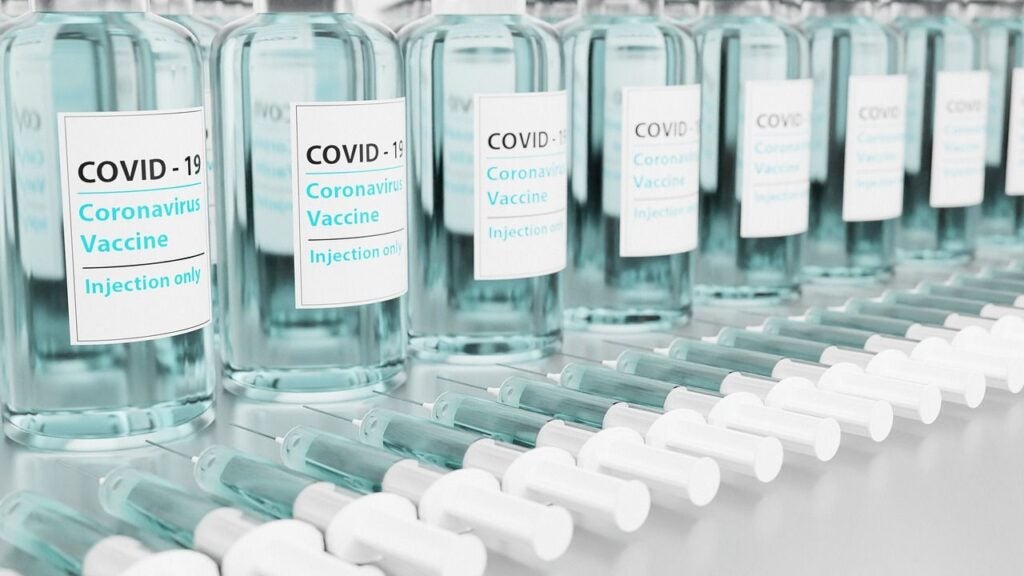
What you may have heard COVID-19 vaccines can cause cancer or increase the aggressiveness of existing cancers. What the science tells us The overwhelming body of scientific evidence indicates that COVID-19 vaccines are safe and do not cause cancer. Major health organizations and multiple studies support this conclusion. Epidemiological Evidence: Laboratory Evidence/Supporting Evidence: IARC Carcinogen…
What you may have heard Cannabis oil is a natural cure for cancer. What the science tells us Cannabis oil, extracted from the cannabis sativa plant, can be found in various products such as oils, roll-ons, vaping solutions, and edibles. It contains cannabidiol (CBD), which, unlike THC (another component of cannabis), does not affect the…