Skip to content

What you may have heard

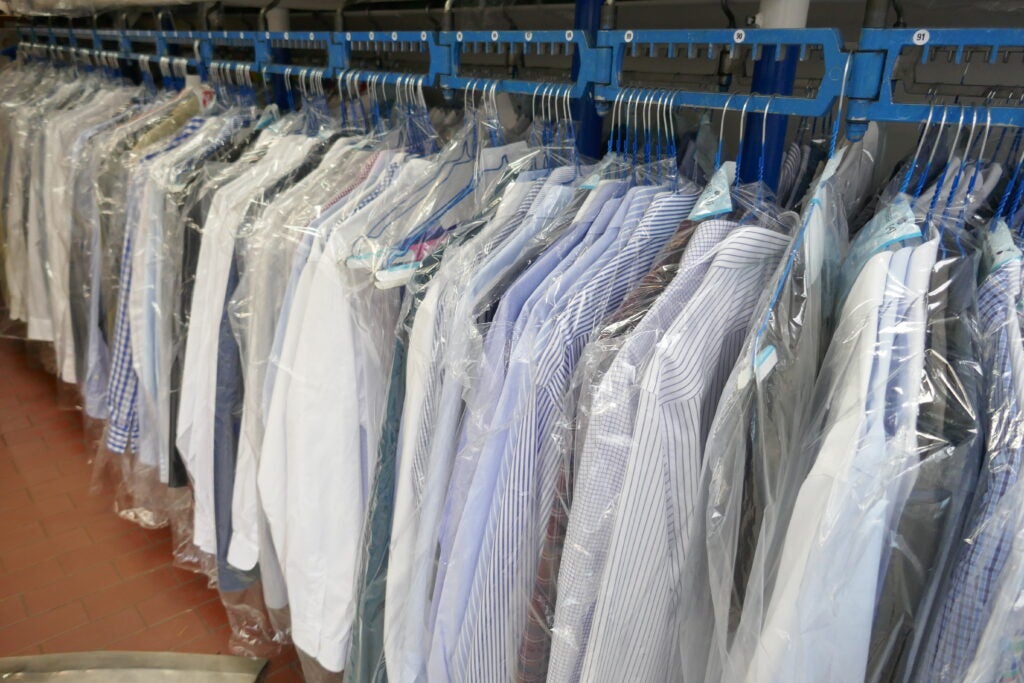
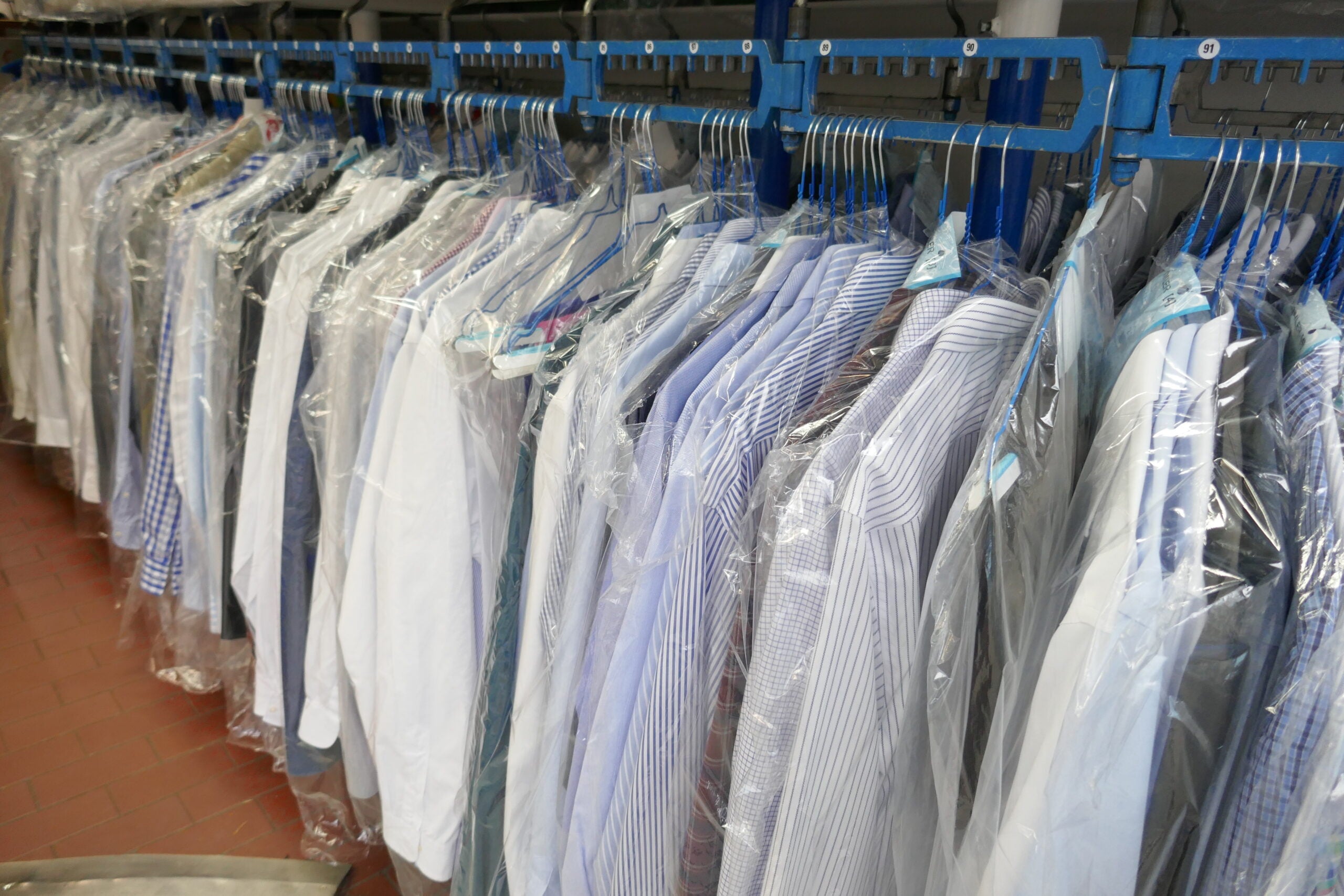
Perchloroethylene, also called PCE or tetrachloroethylene, is commonly used in dry cleaning and some industrial degreasers. You may have heard that long-term exposure can cause cancer, especially among workers in dry-cleaning facilities or people living near contaminated sites.

What science tells us

PCE is a chlorinated solvent that can be inhaled or absorbed through the skin. It’s found in indoor air near dry cleaners and in groundwater in some areas. Long-term exposure has been associated with increased risk of bladder cancer, non-Hodgkin lymphoma, and possibly multiple myeloma. These links are strongest in occupational settings but are also relevant for community exposure near contaminated water or soil.

Epidemiological Evidence

  • A 2014 review of the U.S. EPA’s toxicology assessment found that perchloroethylene is likely to cause cancer in humans. This conclusion was based on suggestive evidence in people, mainly for bladder cancer and non-Hodgkin lymphoma, along with strong findings from animal studies. The review also identified neurotoxicity as a sensitive noncancer effect at low exposure levels (PMD: 24531164).

Laboratory Evidence / Supporting Evidence

Animal studies show that PCE can cause liver tumors in mice and kidney tumors in rats. Lab studies also suggest that PCE can damage DNA and create reactive chemicals in the liver and kidneys, which are processes linked to cancer.

IARC Carcinogen Classification

  • Perchloroethylene (tetrachloroethylene): Group 2A – Probably carcinogenic to humans

How to reduce your risk

  • Avoid spending time near older dry-cleaning machines that still use PCE.
  • If your dry-cleaned clothes have a strong chemical smell, take them out of the plastic bag and hang them in a well-ventilated area to let the fumes air out.
  • If you live near a facility that uses PCE, such as a dry cleaner or an industrial site, you can check local or state environmental agency websites to see if the area has a known contamination history.
  • People who live right next door to a dry cleaner generally do not need to worry unless the building has poor ventilation or a known spill or leak has been reported. Modern dry-cleaning shops use safer equipment with much lower emissions.
  • Support safer chemical policies and cleanup programs in your community.

Bottom line

Perchloroethylene is widely used and often found in air and water. Human and animal studies support a cancer link, especially for bladder cancer. Occupational and environmental exposure should be minimized whenever possible.


What you may have heard

Exposure to per- and polyfluoroalkyl substances (PFAS), such as PFOA and PFOS, might increase your risk of cancer.

What the science tells us

PFOA (Perfluorooctanoic Acid) and PFOS (Perfluorooctane Sulfonate) are part of a larger group of man-made chemicals known as per- and polyfluoroalkyl substances (PFAS). These chemicals have been in commercial use since the 1940s due to their unique properties that make them resistant to heat, water, oil, and stains.

Where are they found?

  • Consumer Products: Commonly used in the production of non-stick cookware (like Teflon), water-resistant clothing, sun-protective clothing (UPF clothing), stain-resistant fabrics and carpets.
  • Industrial Sites: Used in firefighting foams, and other industrial applications.
  • Water Sources: Contaminated drinking water supplies near industrial sites, military bases, and areas where firefighting foams have been extensively used.
  • Food: Food packaging and some foods, particularly certain types of seafood and products from contaminated areas, can contain low levels of PFAS.

Epidemiological Evidence:

  • Kidney Cancer: Studies have shown an increased risk of renal cell carcinoma (RCC) among individuals with high PFOA exposure, particularly those working in chemical plants or living near contaminated water sources. However, results vary across different population groups.
  • Testicular Cancer: Research indicates elevated PFOS levels are associated with a higher risk of testicular cancer, especially among military personnel exposed to PFAS through firefighting foams.
  • Breast Cancer: Some studies have found a link between PFOS exposure and hormone receptor-positive breast cancer in postmenopausal women, though more research is needed to confirm these findings.

Laboratory Evidence/Supporting Evidence:

  • Experiments on lab animals have demonstrated that PFAS exposure can lead to tumors in organs such as the liver, pancreas, and mammary glands. These findings suggest potential carcinogenic effects, but translating these results to humans requires further investigation.

IARC Carcinogen Classification:

  • PFOA is classified as “carcinogenic to humans” (Group 1) based on sufficient evidence from animal studies and strong evidence of its carcinogenic properties in humans.
  • PFOS is classified as “possibly carcinogenic to humans” (Group 2B) due to limited evidence in humans but sufficient evidence in animal studies.

How to reduce your risk

  • Avoid contaminated water. Use bottled water or activated carbon filters if you live in areas with known PFAS contamination.
  • Reduce consumption of foods known to be contaminated with PFAS, such as certain seafood and canned clams.
  • Limit the use of products that may contain PFAS, such as non-stick cookware, stain-resistant fabrics, and certain food packaging materials.
  • PFOA and some closely related chemicals (such as PFOS) are now no longer made in the US, although they are still made in some other countries and could potentially reach US consumers in certain types of products. Being aware of product origins and regulatory updates can help in making safer choices.

Bottom line

While there is growing evidence suggesting that PFAS exposure is linked to certain cancers, definitive conclusions from the scientific community affirm that there is a significant cause for concern. Continued research is essential to fully understand the risks and develop effective strategies for reducing exposure. Being aware of potential sources of PFAS and taking steps to minimize contact can help mitigate potential health risks.

Watch this short video on the link between PFAS and cancer by the Dana-Farber Cancer Institute.

What you may have heard

Potassium bromate is used in baking and is linked to cancer.

What science tells us

Potassium bromate is a flour improver used in baking to strengthen dough, increase bread volume, and produce a fine crumb structure. It is commonly found in white flour, bread, and rolls. Potassium bromate has been shown to cause cancer in animals. While most of the bromate breaks down into the less harmful bromide during baking, any remaining bromate poses a small cancer risk to consumers.

Potassium bromate has been banned in many countries worldwide, but it is still permitted in the US and Japan. In October 2023, California Governor Gavin Newsom signed a bill into law banning the use of potassium bromate, along with three other common food additives (brominated vegetable oil, propylparaben, and Red Dye No. 3). The California Food Safety Act takes effect in 2027, making it illegal to sell, distribute, and manufacture these additives in the state.

Epidemiological Evidence

Epidemiological studies have linked potassium bromate to an increased risk of cancer in animals, but direct evidence in humans is limited.

Laboratory Evidence/Supporting Evidence

A 1983 study published in the Journal of the National Cancer Institute involved giving rats different concentrations of potassium bromate in their drinking water. The group exposed to the highest concentration experienced the shortest survival times and had significantly higher incidences of kidney tumors and mesotheliomas of the peritoneum (a type of cancer affecting the lining of the abdominal cavity) in males compared to the control group. The study concluded that potassium bromate was carcinogenic to rats when administered orally (Kurokawa et al., 1983).

IARC Carcinogen Classification:

Classified as Group 2B carcinogen (possibly carcinogenic to humans).

How to reduce your risk

Avoid baked goods that list potassium bromate as an ingredient. Choose products labeled as bromate-free. Opt for bread and baked goods made without this additive.

Bottom line

Potassium bromate is a known carcinogen in animals, and avoiding it can reduce cancer risk. Selecting bromate-free baked goods is a simple step to protect your health and reduce exposure to harmful additives.

One way to know what is in your food is to cook and bake it at home. Try some cancer-mindful recipes from the American Instiute for Cancer Research.

What you may have heard

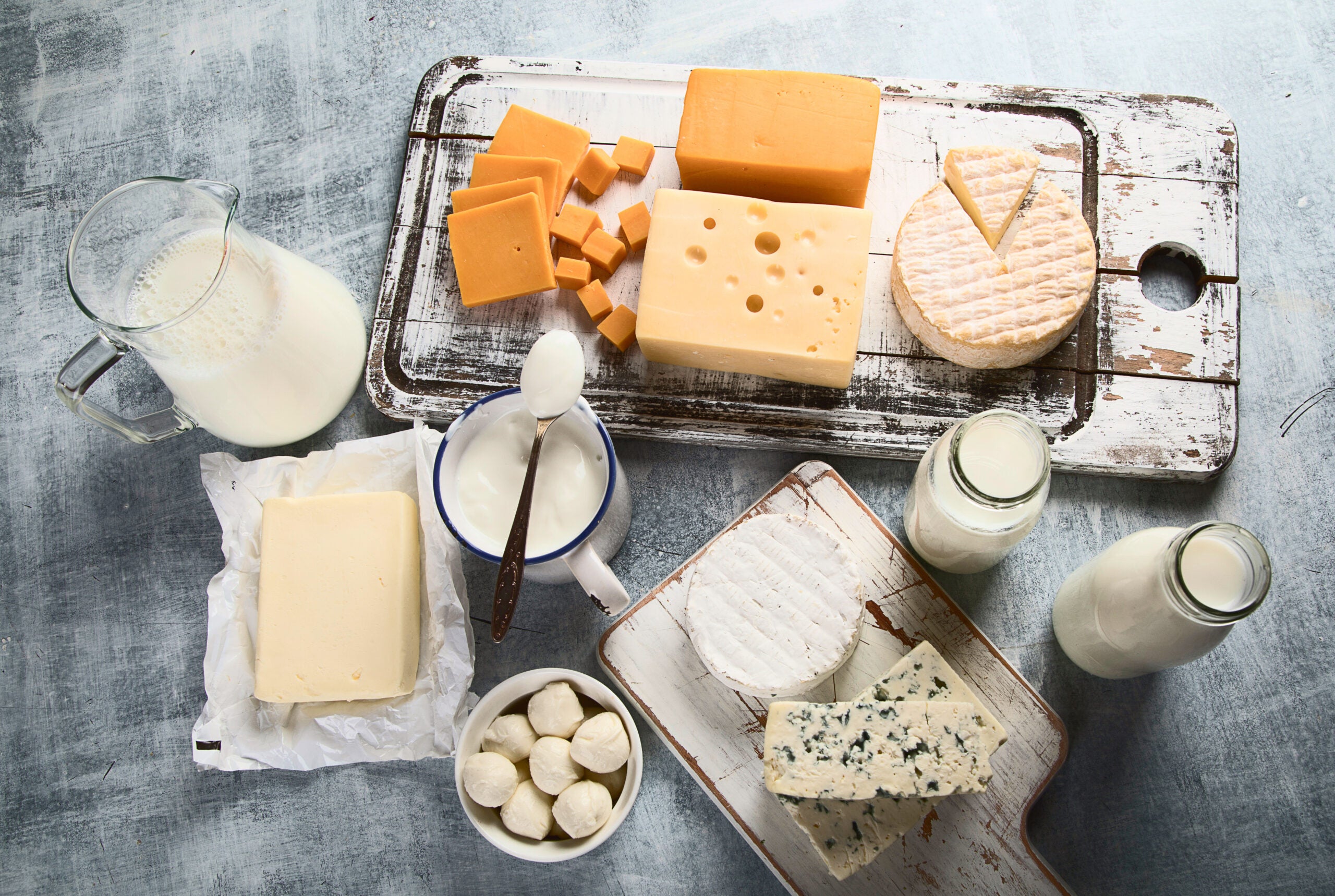
High consumption of dairy products may cause cancer.

What the science tells us

Epidemiological Evidence

Evidence on the relationship between dairy products and cancer risk is mixed and varies by type of cancer. Dairy consumption is associated with a lower risk of colorectal cancer (WCRF), while some prospective cohort studies suggest a higher risk for prostate and ovarian cancers (Jin & Je). A study of Chinese adults also associated dairy intake with increased risks of liver, breast, and potentially lymphoma cancers (Kakkoura et al.).

The association between dairy consumption and breast cancer, specifically, remains unclear. Studies have found that fermented dairy products like yogurt and cheese may decrease the risk of breast cancer, whereas high milk intake may increase it. Further research is needed to clarify these associations.

Laboratory Evidence/Supporting Evidence

There is currently no strong evidence from animal studies that dairy influences cancer progression.

How to reduce your risk

  • Moderate dairy intake, the USDA recommends about 3 cups of dairy per day.
  • Choose reduced or low-fat dairy products.
  • Consider plant-based milk alternatives, such as almond, oat, or soy milk.
  • Diversify calcium intake from other sources, like leafy greens.

Bottom line

Current evidence on dairy consumption and cancer risk remains inconclusive and requires further research. Studies suggest that dairy may reduce the risk of certain cancers (e.g., colorectal) and increase the risk of others (e.g., prostate, liver). While dairy products are valuable sources of calcium, vitamin D, and protein, the conflicting evidence on cancer risk highlights the importance of being mindful of the type and amount of dairy included in a healthy diet.

What you may have heard

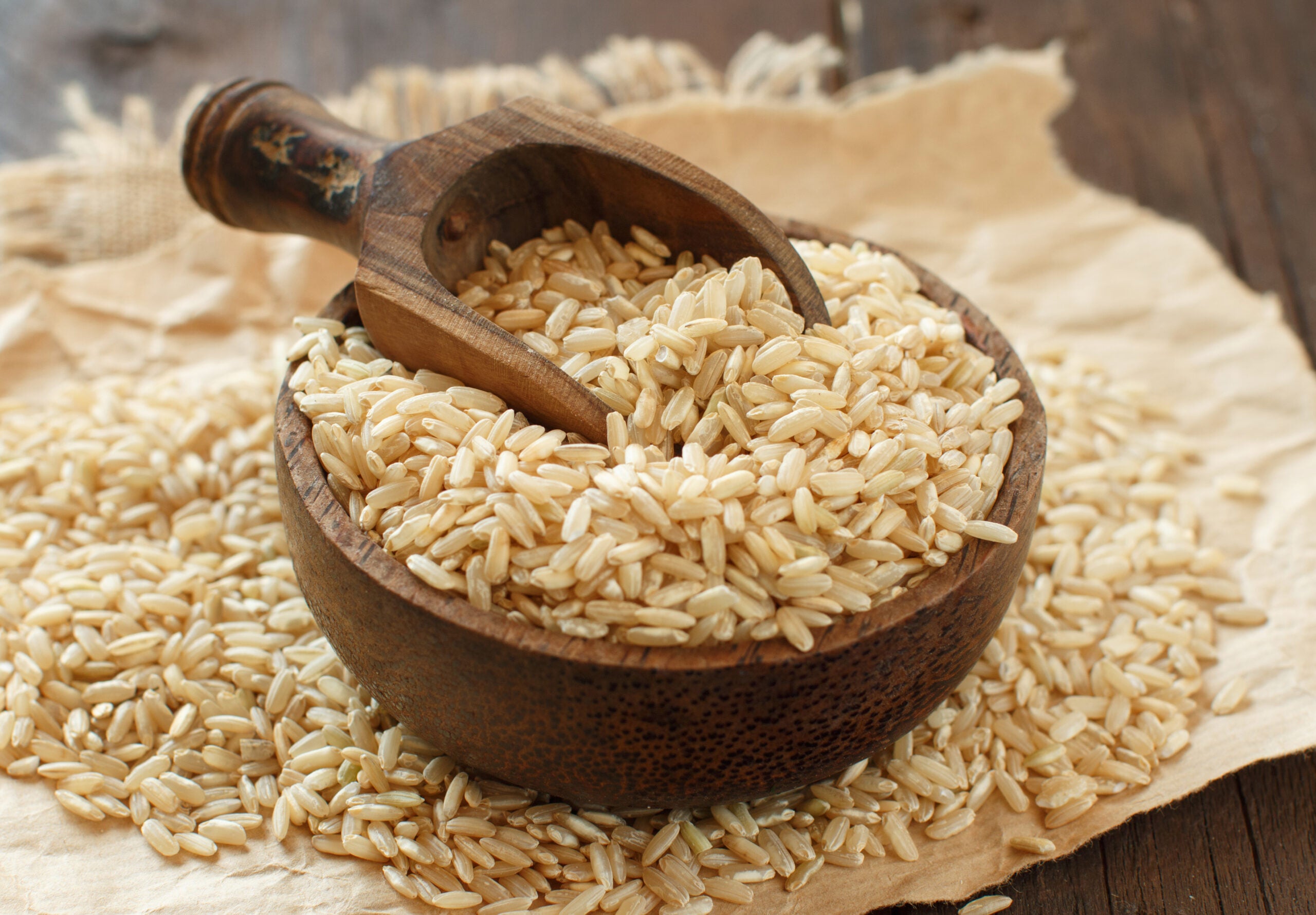
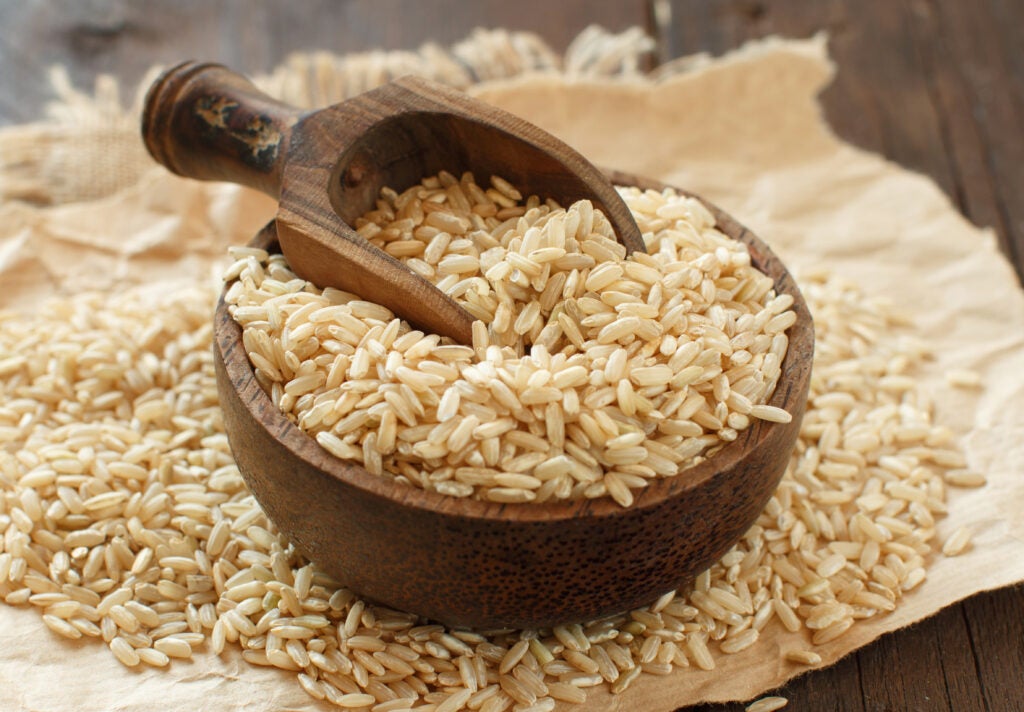
Consuming brown rice may increase your risk of cancer due to arsenic exposure. This concern contrasts with the common belief that brown rice has many nutritional benefits, including high fiber and nutrient content.

What the science tells us

Arsenic accumulates in the outer layers of the rice grain, which makes brown rice higher in inorganic arsenic than white rice. Arsenic content varies by region and tends to be higher in rice grown in areas with contaminated water or a history of arsenic-based pesticide use, such as parts of Bangladesh, India, and the southern U.S. Overall, findings from the FDA show low arsenic levels in U.S. rice-based foods.

Epidemiological Evidence:

Long-term consumption of brown rice is not directly associated with an increased risk of developing cancer. A large prospective cohort study using data from the Nurses’ Health Study II, Female Nurses’ Health Study, and Male Health Professionals Follow-Up Study followed participants for decades and found no significant associations between brown rice intake and overall cancer incidence (Zhang et al.). University of Michigan research confirms that arsenic is toxic at high doses but found that typical daily exposure for most U.S. adults remains below levels of concern (Scott et al.).

However, other reviews suggest that more research is needed to fully understand how cancer risk from arsenic exposure may vary by type (inorganic vs organic), exposure level, and age of the exposed individual. 

Researchers do indicate that children under the age of five, who consume more food relative to their body weight, may be particularly vulnerable to the health effects of arsenic. These populations should limit intake of brown rice.

Laboratory Evidence/Supporting Evidence:

There is little laboratory evidence that explores the effects of brown rice on cancer outcomes.

How to reduce your risk

  • Vary your grains (e.g., quinoa, barley, oats).
  • Rinse rice thoroughly and cook it with extra water (6:1 ratio), then drain.
  • Buy rice from low arsenic regions, such as California.
  • Limit intake for infants and children under five years old.

Bottom line

Dose matters. While exposure to high levels of arsenic remains a concern, the amount in a typical serving of brown rice does not put most adults at risk of developing cancer. That said, young children and vulnerable groups are more susceptible to the effects of arsenic and should limit consumption. Additional research is needed to determine if the potential harmful effects of arsenic exposure outweigh the nutritional benefits of brown rice.

What you may have heard

Concerns have been raised that when you cook food in aluminum foil, the aluminum can seep into the food and may be linked to cancer and other health issues.

What the science tells us

Aluminum foil is generally considered safe for cooking. While it is true that small amounts of aluminum can leach into food when heated, these levels are typically low and not a cause for concern. Aluminum concentrations may vary by type of food (e.g., tomatoes, lemons), cooking temperature, and the ingredients or spices used.

Most people with healthy kidney function can excrete the small amounts of aluminum that may be absorbed by the body. Health risks from aluminum exposure may be greater for vulnerable groups, such as young children or individuals with chronic renal failure (Dordevic et al.).

Supporting Evidence

There is currently no strong evidence that cooking with aluminum foil increases your risk of cancer. A study on food additives and contaminants found that both cooking and storing food in foil can lead to low to moderate increases in aluminum content, especially at higher temperatures or with longer contact times (Ertl & Goessler). However, researchers found these changes to be marginal and not associated with adverse health outcomes under typical use.

Both the World Health Organization (WHO) and European Food Safety Authority (EFSA) have reported that the average person’s aluminum intake from all sources, including foil, remains below harmful levels. The WHO has established a tolerable intake of 2 mg/kg of body weight per week, a limit rarely reached by the general population.

How to reduce your risk

If you are concerned about potential risks from foil and want to minimize aluminum exposure:

  • Avoid using aluminum foil with acidic or spicy foods.
  • Limit aluminum foil use for young children and individuals with chronic kidney disease.
  • Consider alternative options like parchment paper when baking.

Bottom line

Cooking with aluminum foil is generally safe. While excessive aluminum exposure can be harmful, the small amounts associated with regular foil use are not linked to cancer and remain below established safety thresholds.

What you may have heard

Frequent consumption of very hot beverages, like tea and maté, can raise your risk of developing esophageal cancer.

What the science tells us

Repeatedly drinking hot beverages can damage the lining of the esophagus, which may increase the risk of cancer over time. The International Agency for Research on Cancer (IARC) classifies drinks hotter than 65°C or 149°F as possibly carcinogenic to humans (Group 2A). This means that high temperatures, not the drink itself, may impact cancer risk. The type of esophageal cancer most often associated with very hot beverages is squamous cell carcinoma.

Epidemiological Evidence

Most observational studies have been conducted in populations that frequently drink very hot beverages and suggest that the cancer risk increases with temperature.

  • A meta-analysis of observational studies found a significantly increased risk of squamous cell carcinoma among people who drank hot tea (Luo et al.).
  • A case-control study in Kenya reported that drinkers of “very hot” and “hot” beverages had 3.7 and 1.4 times the odds, respectively, of developing esophageal cancer compared to warm beverage drinkers (Middleton et al.).
  • A 2025 cohort study in the United Kingdom also observed an increased risk of squamous cell carcinoma among those who drank very hot tea and coffee (Inoue-Choi et al.). The risk rose with the number of cups consumed per day.

Laboratory Evidence/Supporting Evidence

A laboratory study found that drinking very hot water (70°C) promoted the development of early abnormal growths called premalignant lesions in the esophagus of rats, which could increase cancer risk (Rapozo et al.).

How to reduce your risk

Let hot beverages cool for a few minutes before drinking and avoid sipping anything that feels uncomfortably hot. If it burns your mouth, it could irritate the lining of your esophagus.

Bottom line

Regularly drinking beverages hotter than 65°C (149°F) may raise the risk of esophageal cancer, particularly squamous cell carcinoma. The concerns are linked to the temperature, not the type of drink. While serving temperatures vary worldwide, it is safest to let hot beverages cool before drinking to reduce your risk.

What you may have heard

Concerns have been circulating that sunscreen products contain harmful chemicals that can increase your risk of skin cancer.

What the science tells us

Using sunscreen does not increase your risk of cancer. In fact, sunscreen is essential for protecting your skin from ultraviolet (UV) radiation, which can damage the DNA in your cells and lead to skin cancer. The Food and Drug Administration (FDA), American Cancer Society (ACS), and American Academy of Dermatology (AAD) continue to recommend the use of sunscreen products with a Sun Protection Factor (SPF) of at least 30.

Epidemiological Evidence

Strong evidence shows that sunscreen use reduces the risk of squamous cell carcinoma and melanoma, two of the most serious forms of skin cancer (Sander et al.). A randomized controlled trial in Australia found that adults who used sunscreen daily had half the risk of developing melanoma and a 73% lower risk of invasive melanoma compared to those who used it only occasionally (Green et al.).

Laboratory Evidence/Supporting Evidence

The FDA sets strict safety standards for sunscreen ingredients and continues to monitor their long-term effects. Several ingredients, including oxybenzone, octinoxate, and avobenzone, are currently undergoing further research to understand absorption and safety (ACS). Thus far, no ingredients used in sunscreen have been proven to cause cancer in humans.

Some sunscreens were recalled due to contamination with benzene, an IARC Group 1 carcinogen. However, benzene is not an active ingredient in sunscreen, it is a byproduct of manufacturing contamination which can occur in various consumer products.

How to reduce your risk of skin cancer

When selecting sunscreen, use products with broad spectrum protection (against UVA and UVB rays) and SPF greater than 30. If you are concerned about chemical absorption, choose mineral sunscreens that contain physical blockers like zinc oxide and titanium dioxide to reflect UV rays before they penetrate the skin. In addition, take the following precautions:

  • reapply sunscreen every two hours, or after swimming or sweating;
  • limit sun exposure during peak hours and seek shade when possible; and
  • keep babies under six months out of direct sunlight.

Bottom line

Sunscreen is strongly recommended to prevent skin cancer. While concerns have been raised about the safety of certain chemical ingredients, there is no evidence that sunscreen increases cancer risk. To best protect yourself against skin cancer, use a broad spectrum sunscreen with SPF 30 or higher and combine it with shade, protective clothing, and careful timing of your sun exposure.

To learn more about sunscreen and cancer risk, watch this short video by the Dana-Farber Cancer Institute.

What you may have heard

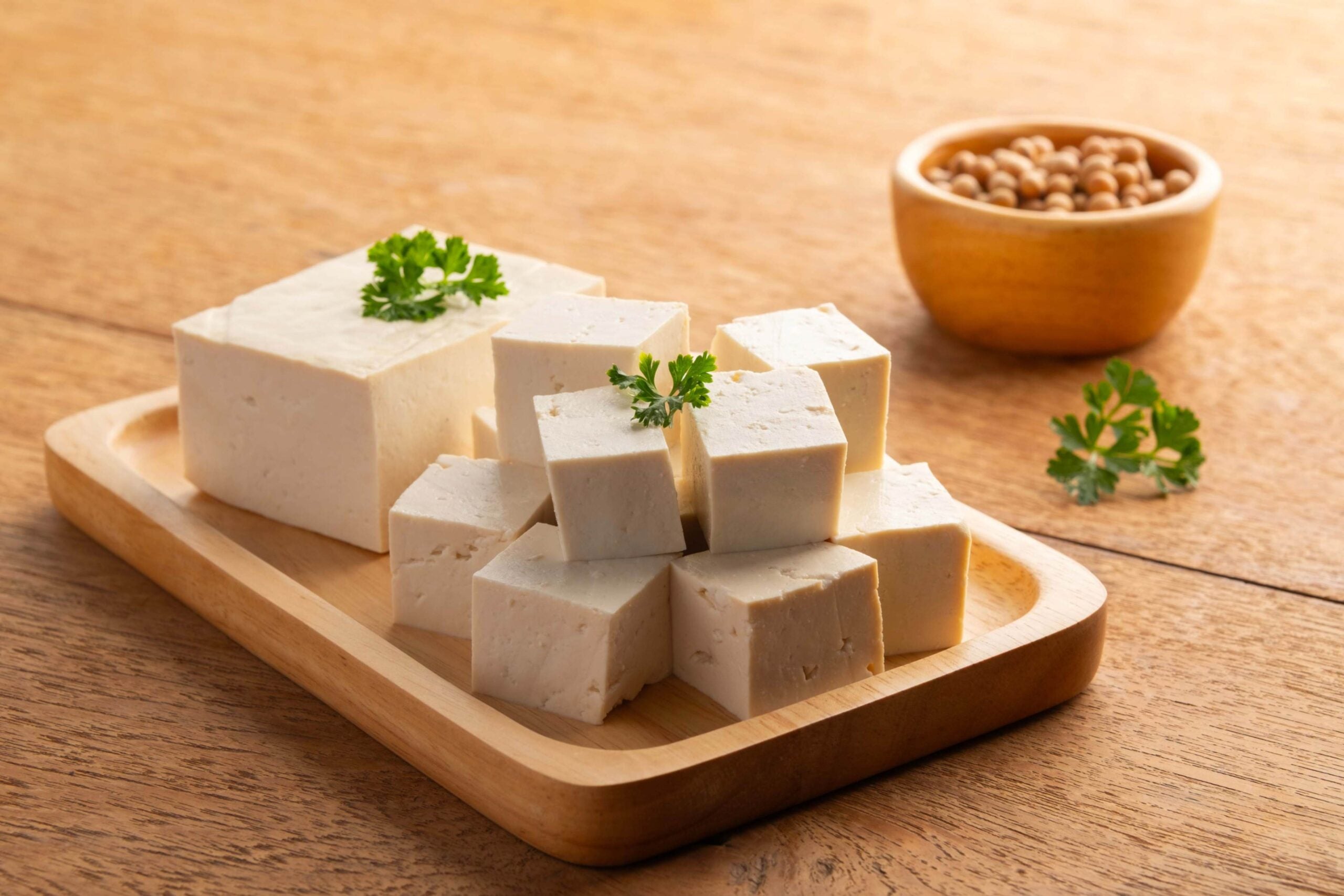
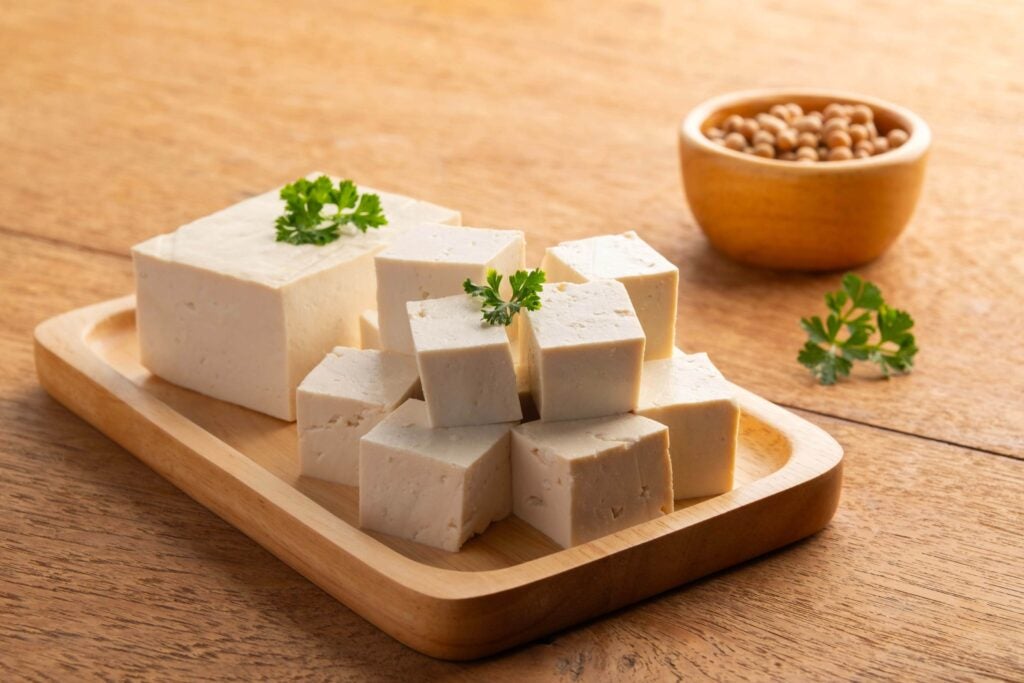
Soy contains phytoestrogens, plant-based compounds including isoflavones, that can weakly mimic estrogen in the body. This has raised concerns that consuming soy products can increase your risk of breast cancer.

What the science tells us

Epidemiological Evidence

Current evidence strongly suggests that soy does not cause breast cancer. In fact, soy consumption is linked to either no change or a reduction in cancer risk. A review of several observational studies found that high intake of total soy products, such as soymilk and tofu, was associated with a lower overall cancer risk (Wang et al.) A meta-analysis of prospective cohort studies also reported that soy was linked to a 10% reduction in cancer incidence (Fan et al.).

Soy consumption is associated with a decreased risk of breast cancer in Asian countries, where consumption is generally high. A comprehensive analysis of epidemiological studies found an inverse correlation between soy isoflavone intake and breast cancer risk in both pre- and postmenopausal women (Chen et al.). However, it is unclear if soy has the same protective effects against breast cancer in Western populations, where intake tends to be lower.

Laboratory Evidence/Supporting Evidence

Isoflavones in soy products are not as potent as estrogen and function differently in the body. While early mice studies linked high doses of soy isoflavones with increased breast cancer risk, researchers found that animals process the compounds differently and in much higher doses than humans. Isoflavones may block estrogen receptors in humans, potentially suppressing tumor growth (ACS).

How to reduce your risk

  • Choose whole soy foods. Opt for nutrient-rich options like soymilk, edamame, tofu, and tempeh.
  • Be mindful of soy supplements and protein powders. The safety and benefits of these products remain unclear and evidence is mixed, according to the American Cancer Society.
  • Practice moderation. Like any food, soy should be part of a balanced, varied diet rather than consumed in excess.

Bottom line

Soy products are safe to eat and do not increase your risk of breast cancer, nor cancer overall. Current research suggests that eating whole soy foods may have protective effects against cancer, particularly in Asian countries where soy consumption is more frequent. Further research is needed to determine soy’s potentially protective effects in Western populations.

Check out this Cancer Questions video about the relationship between soy and cancer risk from the Dana-Farber Cancer Institute.

What you may have heard

Smart and fitness watch bands may contain cancer-causing “forever chemicals” known as PFAS (per- and polyfluoroalkyl substances). These are used in bands made of fluoroelastomer, a kind of synthetic rubber resistant to dirt, water, sweat, and oil. There is growing concern that PFAS in watch bands may be absorbed through the skin and increase your risk of cancer and other poor health outcomes over time.

What the science tells us

Elevated levels of PFAS may increase the risk of developing certain cancers, including kidney, testicular, and prostate cancer. PFAS exposure is also associated with negative reproductive effects, developmental delays in children, weakened immune function, hormonal disruption, and cholesterol regulation issues (EPA). Scientists are working to understand how forever chemical exposure from smart watch bands, specifically, may influence adverse health outcomes.

Epidemiological Evidence

The University of Notre Dame conducted a 2024 study on over 22 varieties of watch bands, finding high concentrations of fluorine, a key component of PFAS, in 15 of the bands. One compound in particular, PFHxA, was extracted from nine fluoroelastomer watch bands in high concentrations (Wicks et al.). These findings raise important questions about how regular skin contact with PFAS-containing bands might contribute to cumulative chemical exposure over time and call for further research.

Laboratory Evidence/Supporting Evidence

There is currently limited knowledge on PFAS absorption from repeated, prolonged contact with the skin. While laboratory studies have shown that forever chemicals can penetrate the skin and enter the bloodstream, the extent of absorption from everyday smart watch use is unclear.

How to reduce your risk

If you are concerned about potential PFAS exposure from smart or fitness watch bands:

  • Check product labels. Avoid bands with the label “fluoroelastomer,” as they may contain PFAS.
  • Choose watch bands made of silicone or untreated leather.
  • Consider limiting the amount of time you wear your watch (e.g., take off during sleep).
  • Wash your band and wrist regularly to reduce potential chemical buildup.

Bottom line

Several smart and fitness watch bands have been reported to contain PFAS. However, additional research is needed to determine how varying levels of PFAS exposure in watch bands may influence cancer risk. To decrease your potential risk from forever chemicals in smart watch bands, check product labels and look for bands without fluoroelastomers.

Fact Finder Tool

Discover insights, research, and information to help you navigate cancer-related topics with confidence.

952 posts available
5 categories

CLAIM: PFAS exposure might increase your risk of cancer

What you may have heard Exposure to per- and polyfluoroalkyl substances (PFAS), such as PFOA and PFOS, might increase your risk of cancer. What the science tells us PFOA (Perfluorooctanoic Acid) and PFOS (Perfluorooctane Sulfonate) are part of a larger group of man-made chemicals known as per- and polyfluoroalkyl substances (PFAS). These chemicals have been in…

Read More →

CLAIM: Potassium bromate is linked to cancer

What you may have heard Potassium bromate is used in baking and is linked to cancer. What science tells us Potassium bromate is a flour improver used in baking to strengthen dough, increase bread volume, and produce a fine crumb structure. It is commonly found in white flour, bread, and rolls. Potassium bromate has been…

Read More →

CLAIM: Dairy increases your risk of cancer

What you may have heard High consumption of dairy products may cause cancer. What the science tells us Epidemiological Evidence Evidence on the relationship between dairy products and cancer risk is mixed and varies by type of cancer. Dairy consumption is associated with a lower risk of colorectal cancer (WCRF), while some prospective cohort studies…

Read More →

CLAIM: Brown rice causes cancer

What you may have heard Consuming brown rice may increase your risk of cancer due to arsenic exposure. This concern contrasts with the common belief that brown rice has many nutritional benefits, including high fiber and nutrient content. What the science tells us Arsenic accumulates in the outer layers of the rice grain, which makes…

Read More →

CLAIM: Sunscreen causes cancer

What you may have heard Concerns have been circulating that sunscreen products contain harmful chemicals that can increase your risk of skin cancer. What the science tells us Using sunscreen does not increase your risk of cancer. In fact, sunscreen is essential for protecting your skin from ultraviolet (UV) radiation, which can damage the DNA…

Read More →

CLAIM: Soy causes breast cancer

What you may have heard Soy contains phytoestrogens, plant-based compounds including isoflavones, that can weakly mimic estrogen in the body. This has raised concerns that consuming soy products can increase your risk of breast cancer. What the science tells us Epidemiological Evidence Current evidence strongly suggests that soy does not cause breast cancer. In fact,…

Read More →

CLAIM: Smart watch bands cause cancer

What you may have heard Smart and fitness watch bands may contain cancer-causing “forever chemicals” known as PFAS (per- and polyfluoroalkyl substances). These are used in bands made of fluoroelastomer, a kind of synthetic rubber resistant to dirt, water, sweat, and oil. There is growing concern that PFAS in watch bands may be absorbed through…

Read More →