Skip to content

What you may have heard

Frequent consumption of fish can put you at a higher risk of developing melanoma.

What the science tells us

Fish is widely recommended in dietary guidelines as a valuable source of protein, heart-healthy omega-3 fatty acids, and other essential nutrients. Despite these benefits, some studies have explored a possible link between fish consumption and melanoma, a serious type of skin cancer. Environmental contaminants found in certain fish may play a role, but the relationship is complex and not yet fully understood.

Epidemiological Evidence

In an observational study, researchers from Brown University followed nearly 500,000 individuals for over 15 years. They found that those who reported eating the most fish had a 22% higher risk of developing melanoma than those who ate the least fish (Li et al.). This association was consistent for total fish intake, tuna, and non-fried fish, and was observed for both malignant and in situ melanomas.

The increased risk may be related to contaminants in fish, such as mercury, PCBs (polychlorinated biphenyls), and other environmental toxins. While this study indicates a potential link, it does not prove that fish consumption causes melanoma. Further research is needed to better understand this relationship.

Laboratory Evidence/Supporting Evidence

There is currently no laboratory research regarding fish consumption and melanoma.

How to reduce your risk

The American Cancer Society continues to recommend fish as part of a healthy diet. However, if you are concerned about the risks associated with melanoma:

  • opt for fish with lower levels of mercury (e.g., salmon, sardines, clams);
  • focus on sun protection by limiting exposure and using sunscreen (spf ≥ 30) regularly.

Bottom line

Some research has raised questions about a link between fish and melanoma, but the evidence is not currently strong enough to change dietary guidelines. Fish remains a nutritious choice, especially when you choose low-mercury options. The most effective way to reduce your risk of melanoma is by protecting your skin from the sun.

What you may have heard

Some people claim that frequently drinking green tea can prevent cancer.

What the science tells us

Green tea is often seen as a healthy beverage because it contains antioxidants and has anti-inflammatory effects. While animal studies suggest that compounds in green tea may slow the growth of cancer cells, epidemiological research has not shown clear or consistent results. At this time, there is no strong evidence that green tea can prevent cancer in humans.

Epidemiological Evidence

Limited epidemiological research has examined the link between green tea consumption and cancer risk. Existing findings are mixed and inconclusive. More high-quality, large-scale randomized controlled trials (studies that randomly assign participants to different groups to test an effect) are needed to better understand this relationship.

Laboratory Evidence/Supporting Evidence

Animal studies have shown some evidence of cancer-preventive properties from natural compounds in green tea called polyphenols, especially epigallocatechin-3-gallate (EGCG). These compounds may help inhibit cancer cell growth and trigger cell death (Yang et al.). However, their mechanisms are not fully understood, and scientists recommend further research to investigate the potential preventive effects of green tea.

How to reduce your risk

Although green tea is not proven to protect against cancer, you can lower your overall risk by maintaining a healthy lifestyle through eating well, staying active, and following recommended cancer screening guidelines.

Bottom line

Findings from animal studies do not necessarily apply to people, and there is currently no evidence that green tea prevents cancer in humans. While it may offer general health benefits from antioxidant and anti-inflammatory properties, green tea should not be relied on for cancer prevention.

What you may have heard

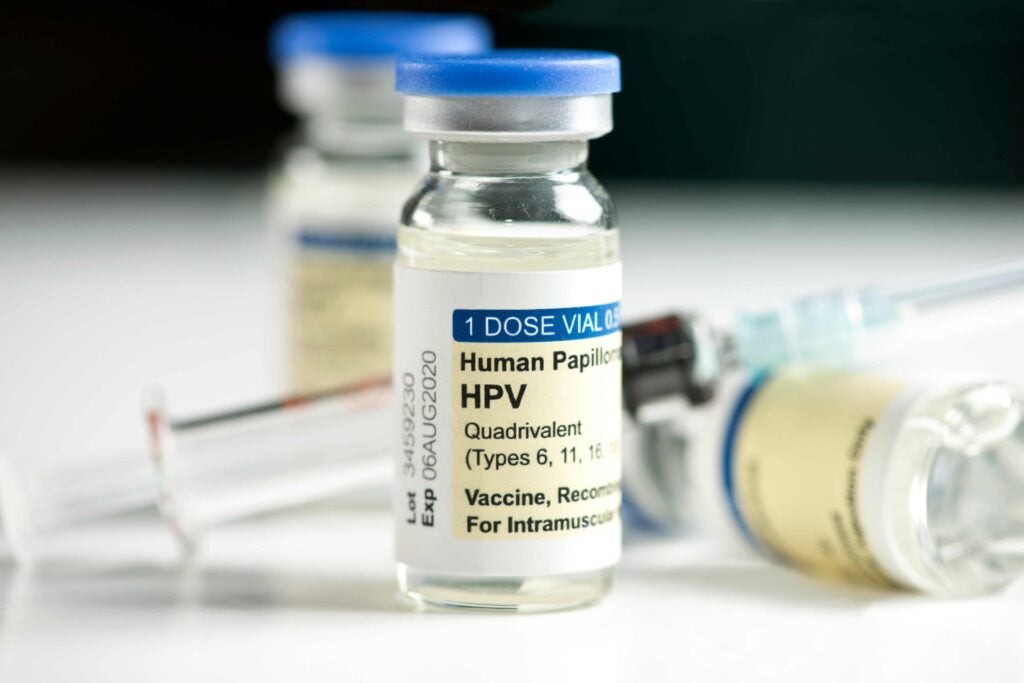
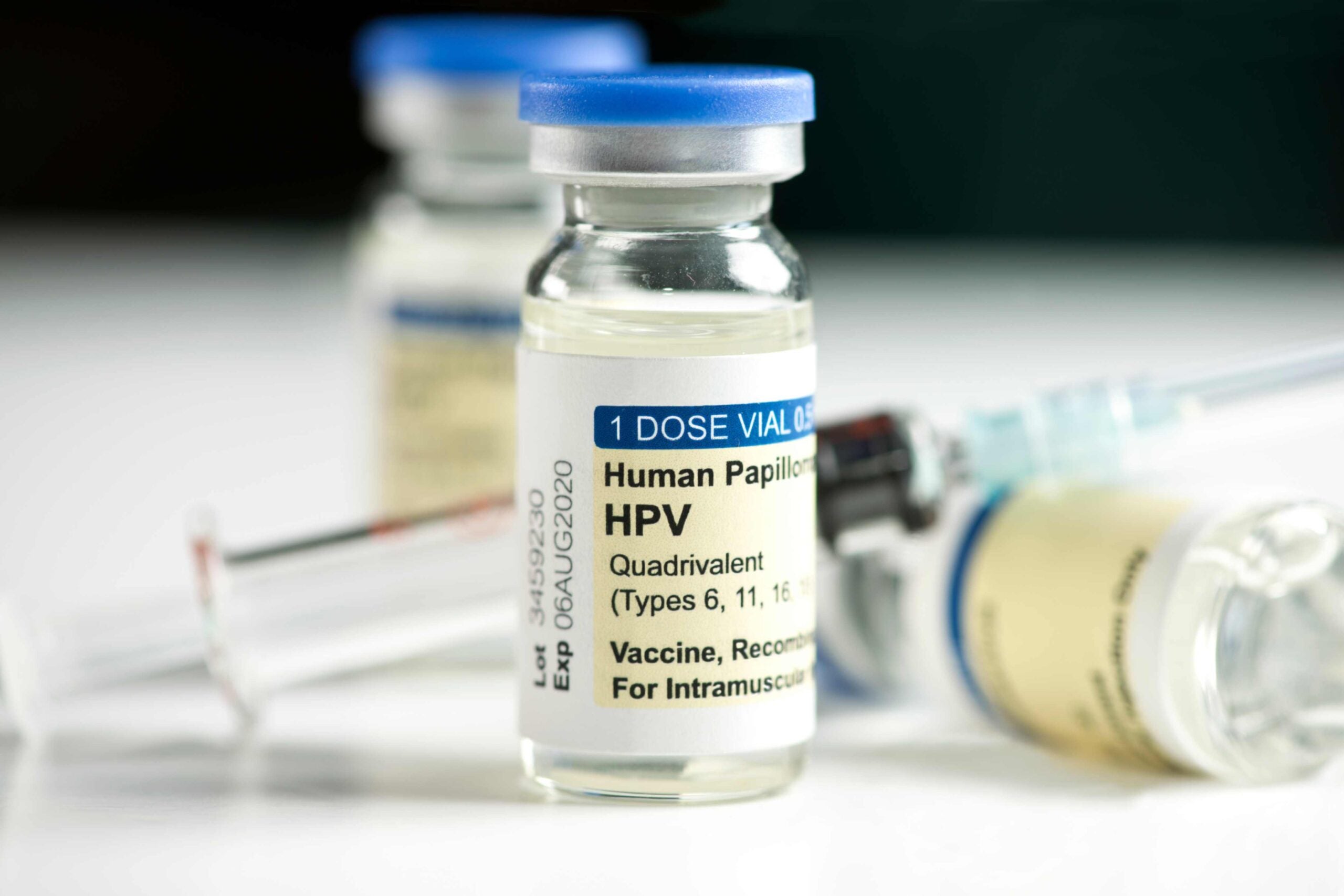
Claims have circulated on social media suggesting that the Human Papillomavirus (HPV) vaccine, Gardasil 9, causes cancer. These claims often stem from general vaccine misinformation and misunderstandings about how the vaccine works. In fact, the HPV vaccine is highly effective in preventing cancer.

What the science tells us

Gardasil was approved by the FDA in 2006. It was initially recommended for girls and young women in preventing cervical cancer and genital warts, and later approved for boys and young men to prevent anal and other HPV-related cancers. There is no evidence to support the claim that HPV vaccines cause cancer.

HPV vaccines protect against over 90% of cancers caused by HPV, including cervical, oropharyngeal (head and neck), anal, vaginal, vulvar, and penile cancers (CDC). Gardasil 9 is most effective when given before exposure to the virus, typically before the onset of sexual activity.

Epidemiological Evidence

Extensive research shows that HPV vaccination significantly reduces the risk of several cancers. From 2008 to 2022, cervical precancer rates decreased by 79%, and higher-grade precancer by 80% among screened women ages 20 to 24, the age group most likely to have received the HPV vaccine (CDC). In Scotland, an observational study reported no cases of cervical cancer among women vaccinated at ages 12 or 13. Women vaccinated between ages 14 and 22 also had a significantly lower incidence of cervical cancer compared to unvaccinated peers (Palmer et al.). 

HPV vaccination is associated with reductions in oropharyngeal cancer incidence as well, with Johns Hopkins researchers projecting significant declines by 2045. Strong evidence from clinical trials and population studies also supports Gardasil 9’s effectiveness against anal intraepithelial neoplasia grades 2 and 3 (AIN 2/3), direct precursors of anal cancer, in both men and women.

Supporting Evidence

Gardasil 9 protects against nine strains of HPV: 6, 11, 16, 18, 31, 33, 45, 52, and 58. Among these, strains 16 and 18 are the primary causes of cervical and other HPV-related cancers.

How to reduce your risk

  • Get vaccinated Routine HPV vaccination is recommended at ages 11 or 12, but it can be given as early as 9. The vaccine is most effective before any exposure to HPV, typically before becoming sexually active.
  • Catch-up vaccination If you are age 26 or younger and have not been vaccinated, it is still recommended. If you are over the age of 26, consult with your doctor about whether HPV vaccination could benefit you.
  • Get screened Starting at age 21, women should schedule regular cervical cancer screenings (Pap tests), with an OB-GYN.

Bottom line

HPV vaccines do not cause cancer, they prevent it. By protecting against the most common cancer-causing HPV strains, vaccination significantly lowers the risk of cervical, anal, oropharyngeal, and other HPV-related cancers. The vaccine works best when given before exposure to the virus, making early vaccination and regular screening key steps in reducing your cancer risk.

Watch this short video from the Dana-Farber Cancer Institute if you are considering the HPV vaccine for your child.

What you may have heard

Over a decade ago, a claim circulated on social media that drinking cold water after a meal causes cancer. The basis of the claim is that cold water supposedly solidifies fats in the stomach, creating a “sludge” that lines the intestines, eventually turning into fat deposits and causing cancer.

What the science tells us

There is no scientific evidence behind this claim. Drinking cold water does not harm digestion or increase cancer risk. For most people, the temperature of the water consumed has little effect on digestion. The most important thing is to stay hydrated and ensure that you are drinking enough water.

Epidemiological Evidence

No epidemiological studies have linked cold water consumption to a higher risk of cancer.

How to reduce your risk

Choose water instead of sugary drinks and avoid alcohol to help lower your risk.

Bottom line

Drinking cold water after a meal does not cause or increase your risk of cancer. Ensuring that you consume enough water is important for staying hydrated and maintaining overall health.

To learn more about healthy drinks, check out the Healthy Drinks section of The Nutrition Source, an initiative of the Harvard School of Public Health Department of Nutrition, and watch “Healthy Hydration: Beverage Choices and Cancer Risk,” co-hosted by the Zhu Center for Global Cancer Prevention and the Harvard T.H. Chan School of Public Health Office of Communications.

What you may have heard

Chemical hair products used to straighten curly or wavy hair may increase your risk of hormone-related cancers.

What the science tells us

Chemical hair straighteners, also called hair relaxers, have been linked to uterine and ovarian cancers, with exposure greatest among Black women. These products may contain endocrine disrupting chemicals that mimic estrogen and interfere with the body’s hormone balance. Absorption of these chemicals through the scalp raises concerns about long-term cancer risk.

Epidemiological Evidence

Data from the Sister Study also suggests that frequent use of hair straighteners is associated with an increased risk of ovarian cancer (White et al.). Some studies have explored a potential link to breast cancer as well, though findings are less consistent.

Laboratory Evidence/Supporting Evidence

Many scientists are concerned about the risks of formaldehyde, also known as formalin and methylene glycol, found in some chemical hair products. Formaldehyde is an IARC-classified carcinogen and poses health risks when inhaled or in contact with eyes or skin (FDA). The Food and Drug Administration is currently working to ban formaldehyde from chemical hair straighteners and other consumer products. Additional chemicals of concern include parabens, phthalates, and certain metals, which may also function as endocrine disruptors.

How to reduce your risk

  • Limit the use of chemical hair straightening products, especially those containing formaldehyde.
  • Engage in regular physical activity and follow a balanced, nutritious diet. Obesity is a significant risk factor for hormone-related cancers.

Bottom line

Some studies suggest a link between chemical hair straighteners and hormone-related cancers; however, causation has not yet been established. Researchers recommend further studies to better understand this relationship. If you are concerned about potential cancer risk, consider reducing use of chemical hair straighteners and maintaining a healthy lifestyle to support overall cancer prevention.

What you may have heard

People say that jobs with heavy wood dust exposure raise cancer risk. The concern is strongest for cancers in the nasal cavity and paranasal sinuses among furniture makers, carpenters, and other woodworkers.

What science tells us

Major agencies classify wood dust as carcinogenic to humans. The International Agency for Research on Cancer (IARC) lists wood dust as Group 1, based on sufficient evidence in humans, and U.S. agencies (NTP/NCI) state that wood dust increases the risk of cancers of the nasal cavity and paranasal sinuses, with the highest risks in settings like furniture and cabinet manufacturing where exposures can be intense (IARC).

Epidemiological Evidence

  • Population-based and industry-based studies consistently link long-term wood dust exposure to cancers of the nasal cavity and paranasal sinuses. Elevated risks are seen in furniture and cabinet makers, sawmill workers, and others with sustained hardwood dust exposure (PubMed). 
  • Recent reviews of sinonasal epithelial cancers conclude there is sufficient evidence for a causal association with wood dust exposure. Risk is strongest for adenocarcinoma, while associations with other histologies are smaller or inconsistent (PubMed).
  • For other sites, evidence is less consistent. A 2024 meta-analysis suggests an association with laryngeal cancer, and some studies report links with nasopharyngeal cancer, but these findings are not as strong as the sinonasal evidence (PubMed).

Laboratory Evidence / Supporting Evidence

Although animal studies for bulk “wood dust” are limited, exposure assessments show that woodworking can generate high airborne concentrations of respirable particles. Hardwood species and dry sanding or machining can produce the greatest levels, which aligns with the strongest risks seen in furniture and cabinet making (IARC). 

IARC Carcinogen Classification

Group 1 – Carcinogenic to humans (wood dust). The classification is based on sufficient evidence in humans, especially for sinonasal cancers (IARC). 

How to reduce your risk

  • Use local exhaust ventilation and on-tool dust extraction, keep equipment well maintained, and capture dust with HEPA-filtered vacuums rather than dry sweeping.
  • Where engineering controls cannot keep exposures low, wear appropriate respiratory protection and follow workplace exposure limits and monitoring programs.

Bottom line

Wood dust causes cancer in humans, with the clearest and largest risks for sinonasal adenocarcinoma among workers with high, prolonged exposure. Reducing airborne dust at the source and using effective controls are the most reliable ways to lower risk.

What you may have heard

With worsening wildfires across the U.S. and globally, you may have heard that breathing in wildfire smoke could increase your risk of cancer. Some people are comparing it to cigarette smoke or living near highways.

What science tells us

Wildfire smoke contains a mix of known cancer-causing pollutants, including fine particulate matter (PM2.5), benzene, and polycyclic aromatic hydrocarbons (PAHs). These chemicals are linked to cancers such as lung, bladder, and blood cancers in other exposure settings. While long-term studies of wildfire-specific exposure are limited, we know enough about its toxic components to be concerned.

Epidemiological Evidence

  • A 2024 study of two million Canadians reported that people exposed to wildfire smoke over many years had a small increase in lung cancer and brain tumors, with estimated increases of 5 percent and 10 percent. No link was found for blood cancers. This is one of the first large population studies suggesting a possible cancer risk from wildfire exposure (PMID: 35550079).
  • A 2024 UK Biobank study of nearly 500,000 adults found that higher exposure to wildfire-related PM2.5 over three years was linked to slightly increased cancer mortality, including for lung cancer (+1.1%) and lip, oral, and pharyngeal cancers (+2.7%). These associations were seen even at low exposure levels, suggesting that wildfire smoke may raise cancer risk even in areas not directly affected by fires (Gao).

Laboratory Evidence / Supporting Evidence

Toxicology studies show that wildfire smoke can damage DNA and cause inflammation in animal and cell experiments. These processes are linked to cancer development. Chemicals in wildfire smoke, including PAHs and benzene, have also been shown to directly harm DNA.

IARC Carcinogen Classification

  • Wildfire smoke as a whole has not yet been classified
  • PM2.5: Group 1 – Carcinogenic to humans
  • Benzene: Group 1 – Carcinogenic to humans
  • PAHs: Group 1 or Group 2A – Carcinogenic or probably carcinogenic

How to reduce your risk

  • Stay indoors with air purifiers during wildfire events.
  • Use N95 masks if you must be outside.
  • Avoid exercising outdoors when air quality is poor.
  • Follow local air quality alerts (AirNow.gov).

Bottom line

Wildfire smoke contains multiple known human carcinogens. Even though direct studies are limited, the strength of evidence for its components supports classifying wildfire smoke as a likely cancer risk. Reducing exposure is a practical step to protect your health.

What you may have heard

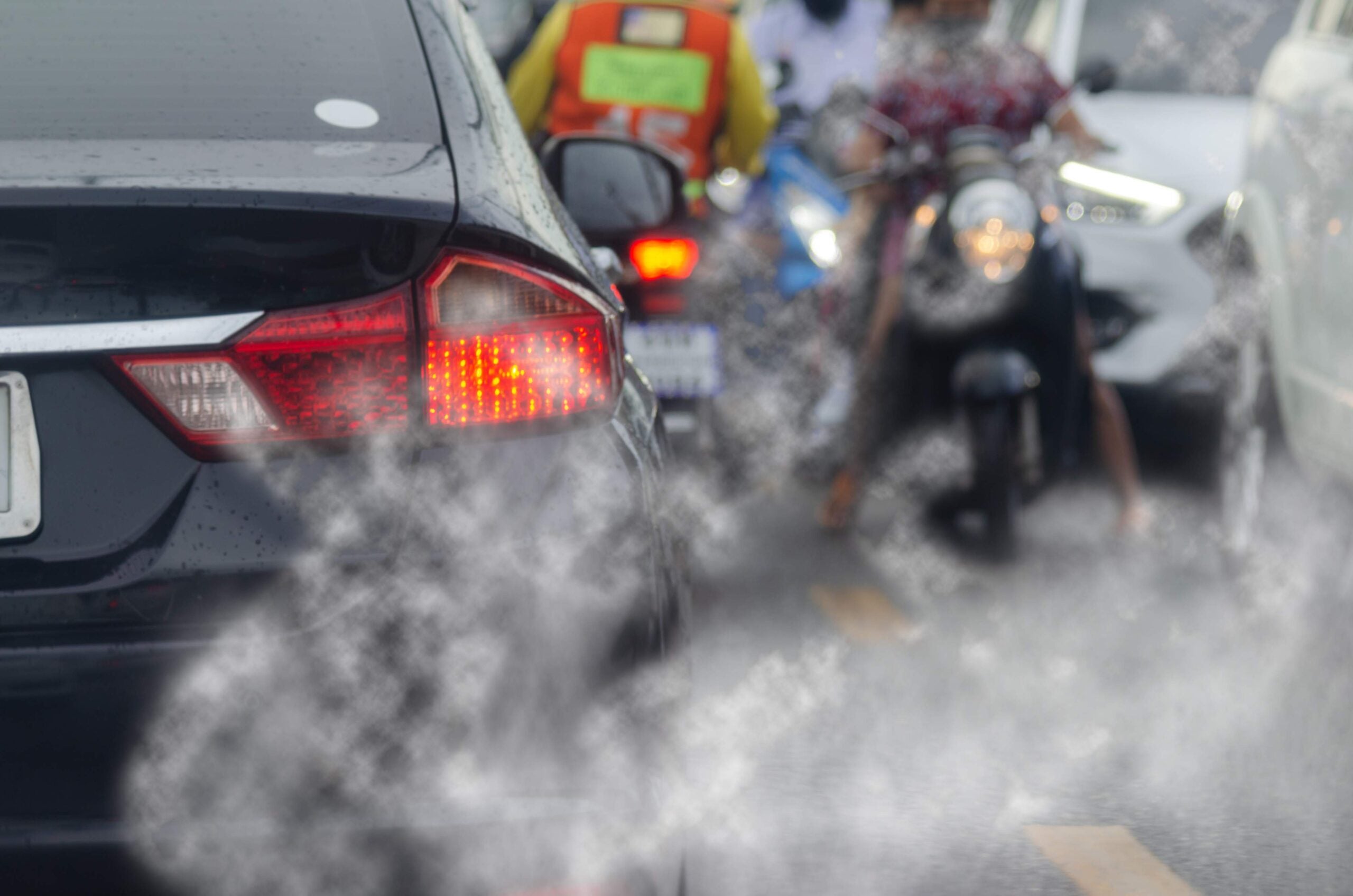
You might’ve heard that living near highways or breathing in car exhaust can increase cancer risk. Some people compare it to secondhand smoke in terms of long-term health effects.

What science tells us

Traffic-related air pollution contains known carcinogens including benzene, diesel exhaust, and fine particulate matter (PM2.5). Repeated exposure, especially in high-density urban or highway-adjacent areas, has been linked to increased risk of lung cancer in both occupational and residential settings. Children and older adults are especially vulnerable.

Epidemiological Evidence

  • A Danish study of over 54,000 adults found that higher exposure to nitrogen oxides at home was also linked to higher risks of brain cancer and cervical cancer, with incidence rate ratios (IRRs) over 2. These findings suggest that traffic-related air pollution may contribute to cancer beyond the lungs. (PMID: 21771295).
  • A 2015 meta-analysis of 36 studies found that traffic-related air pollution is significantly associated with lung cancer. Key pollutants linked to higher lung cancer risk included fine particulate matter (OR 1.11), nitrogen oxides, and sulfur dioxide. Professional drivers, who face high occupational exposure, had a 27% higher incidence of lung cancer (PMID: 26273377).

Laboratory Evidence / Supporting Evidence

Diesel exhaust and ultrafine particles from vehicles can lead to cancer. Animal studies confirm tumor development with long-term exposure to traffic-related air pollutants.

IARC Carcinogen Classification

  • Diesel engine exhaust: Group 1 – Carcinogenic to humans
  • Gasoline engine exhaust: Group 2B – Possibly carcinogenic
  • Benzene, PM2.5, 1,3-butadiene, and formaldehyde: Group 1 – Carcinogenic

How to reduce your risk

  • If you live close enough to a highway to hear traffic, using an indoor air purifier with a HEPA and activated carbon filter can help lower particle and gas pollutants that drift indoors.
  • When driving in heavy traffic, keeping the windows closed and setting the car’s ventilation to “recirculate” reduces how much pollution comes in from outside.
  • Electric vehicles can help reduce tailpipe pollution in cities, which lowers exposure for nearby residents over time, but they do not eliminate all traffic-related pollution because tire and brake wear still produce particles.

Bottom line

Traffic emissions contain multiple confirmed human carcinogens. Living or working near heavy traffic increases cancer risk, especially for lung cancer. Reducing long-term exposure helps lower your risk.

What you may have heard

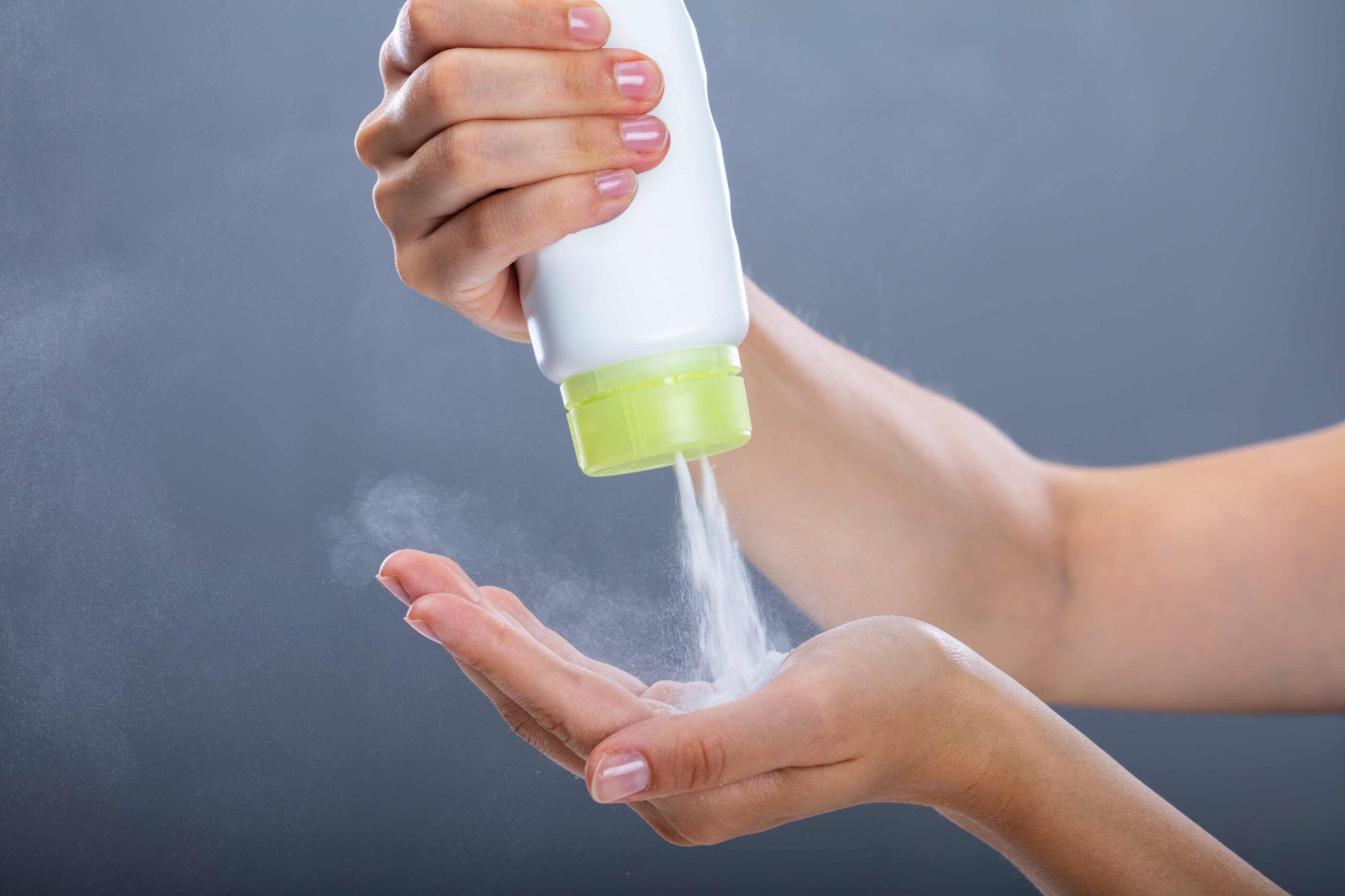
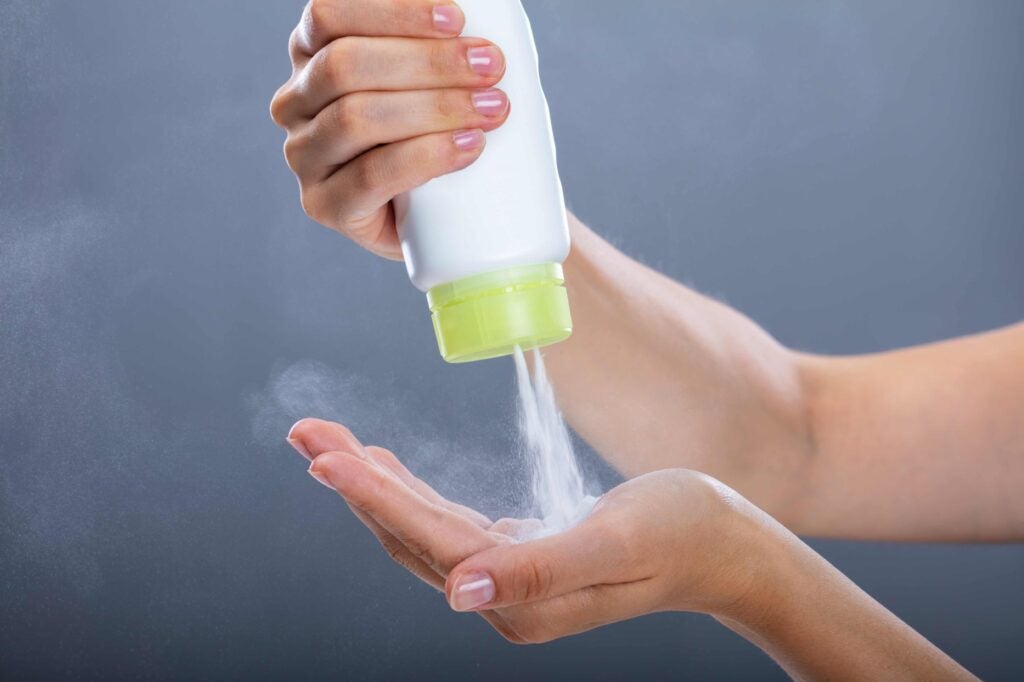
Many people believe that using talcum powder increases cancer risk such as ovarian cancer. Some lawsuits and public concerns center on possible asbestos contamination and inflammation caused by talc itself.

What science tells us

Asbestos-contaminated talc is classified by IARC as Group 1 (carcinogenic to humans). Even talc not known to contain asbestos is classified as Group 2A (probably carcinogenic) based on sufficient animal evidence. These classifications reflect concern, not certainty. The American Cancer Society emphasizes that study results on talc and cancer remain mixed and inconclusive (IARC) (ACS).

Epidemiological Evidence

  • A 1992 case-control study found that women who applied talc had a 1.5-fold increased risk of epithelial ovarian cancer. The risk rose to 1.8 for daily users and 2.8 for those reporting more than 10,000 applications, although that subgroup was small (PubMed). 
  • However, a quantitative bias analysis published in 2024 reexamined earlier findings and reported an odds ratio of 1.33 for genital powder use and ovarian cancer risk. Researchers noted that recall and reporting biases could influence results (PubMed). 
  • A 2023 systematic review concluded there is “suggestive evidence of no association” between perineal talc use and ovarian cancer at human-relevant exposure levels. It also found no evidence linking talc to endometrial or cervical cancer (PubMed).

Laboratory Evidence / Supporting Evidence

Animal studies show that talc does not move past the cervix or stay localized to the ovaries or uterus. Mechanistic data show limited in vitro effects at unrealistic exposure levels and no clear biological pathway for cancer development from talc use.

IARC Carcinogen Classification

IARC classifies asbestos-contaminated talc as Group 1 (carcinogenic to humans), and talc not containing asbestos as Group 2A (probably carcinogenic to humans) based on limited human evidence and strong mechanistic concerns (IARC). 

How to reduce your risk

If you’re concerned, choose cornstarch-based powders instead of talc-based products. Avoid inhaling the powder and limit long-term or frequent perineal use, at least until future studies provide clearer conclusions.

Bottom line

Evidence remains mixed. Some older studies suggest a modest increase in ovarian cancer risk linked to perineal talc use, but cohort data and systematic reviews show no clear causal association. Given the inconsistency, IARC labels talc without asbestos as “probably carcinogenic,” but this does not confirm that talc causes cancer in real-world use.

What you may have heard

Exposure to shale oil, especially in industrial settings, can cause cancer.

What science tells us

Shale oil contains carcinogenic compounds, including polycyclic aromatic hydrocarbons (PAHs) and benzene. The International Agency for Research on Cancer (IARC) classifies shale oils as Group 1 carcinogenic to humans based on sufficient evidence from human studies, primarily in occupational settings (IARC).

Epidemiological Evidence

  • Scottish shale oil workers exposed to shale-oil-based lubricants developed scrotal and other skin cancers at higher rates than unexposed groups (NLM).
  • A retrospective cohort in Soviet-era Estonia reported elevated skin cancer risk among female workers with 10–20 years of shale oil exposure (PubMed).
  • Data from Eastern Estonia’s oil shale region showed higher lung cancer rates among men compared to national averages, with declining trends in recent decades (PubMed).

Laboratory Evidence / Supporting Evidence

Animal studies show that raw and processed shale oils cause skin tumors in mice and rabbits; inhalation of raw shale oil caused lung tumors in rats (IARC).

IARC Carcinogen Classification

Group 1 – Carcinogenic to humans

How to reduce your risk

  • Workers can wear protective clothing, gloves, and respiratory protection; follow occupational safety protocols.
  • People living in communities nearby can advocate for environmental monitoring and controls on industrial emissions; also avoid direct contact with contaminated materials.

Bottom line

Occupational and experimental evidence shows shale oil can cause cancer, particularly skin cancer in workers with direct contact. IARC classifies shale oils as carcinogenic to humans.

Fact Finder Tool

Discover insights, research, and information to help you navigate cancer-related topics with confidence.

952 posts available
5 categories

CLAIM: Fish increases your risk of melanoma

What you may have heard Frequent consumption of fish can put you at a higher risk of developing melanoma. What the science tells us Fish is widely recommended in dietary guidelines as a valuable source of protein, heart-healthy omega-3 fatty acids, and other essential nutrients. Despite these benefits, some studies have explored a possible link…

Read More →

CLAIM: Green tea prevents cancer

What you may have heard Some people claim that frequently drinking green tea can prevent cancer. What the science tells us Green tea is often seen as a healthy beverage because it contains antioxidants and has anti-inflammatory effects. While animal studies suggest that compounds in green tea may slow the growth of cancer cells, epidemiological…

Read More →

CLAIM: HPV vaccines cause cancer

What you may have heard Claims have circulated on social media suggesting that the Human Papillomavirus (HPV) vaccine, Gardasil 9, causes cancer. These claims often stem from general vaccine misinformation and misunderstandings about how the vaccine works. In fact, the HPV vaccine is highly effective in preventing cancer. What the science tells us Gardasil was…

Read More →

CLAIM: Drinking cold water causes cancer

What you may have heard Over a decade ago, a claim circulated on social media that drinking cold water after a meal causes cancer. The basis of the claim is that cold water supposedly solidifies fats in the stomach, creating a “sludge” that lines the intestines, eventually turning into fat deposits and causing cancer. What…

Read More →

CLAIM: Chemical hair straighteners cause cancer

What you may have heard Chemical hair products used to straighten curly or wavy hair may increase your risk of hormone-related cancers. What the science tells us Chemical hair straighteners, also called hair relaxers, have been linked to uterine and ovarian cancers, with exposure greatest among Black women. These products may contain endocrine disrupting chemicals…

Read More →

CLAIM: Wood dust causes cancer

What you may have heard People say that jobs with heavy wood dust exposure raise cancer risk. The concern is strongest for cancers in the nasal cavity and paranasal sinuses among furniture makers, carpenters, and other woodworkers. What science tells us Major agencies classify wood dust as carcinogenic to humans. The International Agency for Research…

Read More →

CLAIM: Traffic emissions cause cancer

What you may have heard You might’ve heard that living near highways or breathing in car exhaust can increase cancer risk. Some people compare it to secondhand smoke in terms of long-term health effects. What science tells us Traffic-related air pollution contains known carcinogens including benzene, diesel exhaust, and fine particulate matter (PM2.5). Repeated exposure,…

Read More →

CLAIM: Talcum powder causes cancer

What you may have heard Many people believe that using talcum powder increases cancer risk such as ovarian cancer. Some lawsuits and public concerns center on possible asbestos contamination and inflammation caused by talc itself. What science tells us Asbestos-contaminated talc is classified by IARC as Group 1 (carcinogenic to humans). Even talc not known…

Read More →