Skip to content

What you may have heard

Brominated vegetable oil (BVO) has been linked to cancer.

What science tells us

Brominated vegetable oil (BVO) is a food additive, made from vegetable oil modified with bromine that is used in some soft drinks to keep citrus flavoring from separating. BVO can accumulate in body fat, as well as the liver, heart, and brain, leading to bromine toxicity. This can cause central nervous system damage, headaches, nausea, memory loss, and loss of coordination. The FDA has proposed banning BVO’s use in food due to potential health risks. BVO has been banned in several countries including the UK, India, the EU, Japan, and was recently banned from foods and beverages sold in California.

Epidemiological Evidence

Limited human studies have been conducted, but significant concerns arise from animal studies. No strong epidemiological evidence links BVO to cancer in humans directly.

Laboratory Evidence/Supporting Evidence

Animal studies show significant increases in bromide levels in the blood and tissues, affecting the thyroid gland (Woodling et al., 2022).

IARC Carcinogen Classification 

Not classified, but related compounds are under scrutiny.

How to reduce your risk

Avoid beverages that list BVO as an ingredient. Check labels on soft drinks and opt for alternatives without BVO. Choosing water over soda is one of the simplest and most effective ways to reduce your risk. By choosing water, you avoid the potential health risks associated with additives like BVO and reduce your intake of unnecessary sugars and calories.

Bottom line

While human studies linking BVO and cancer are limited, the evidence from animal studies suggests avoiding BVO is important due to potential health risks.
What you may have heard

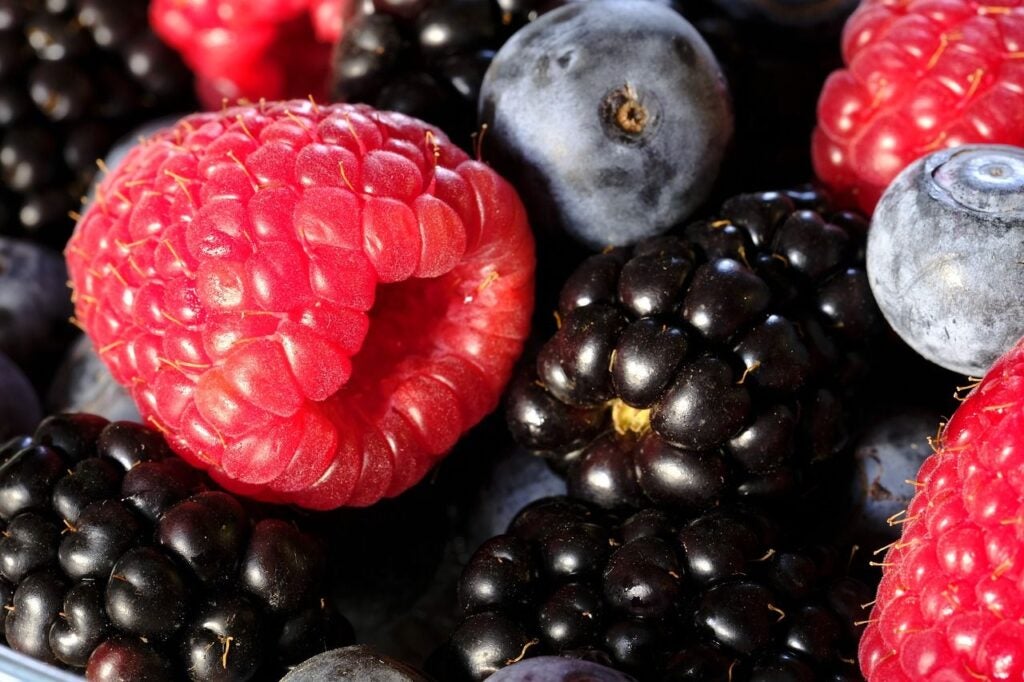
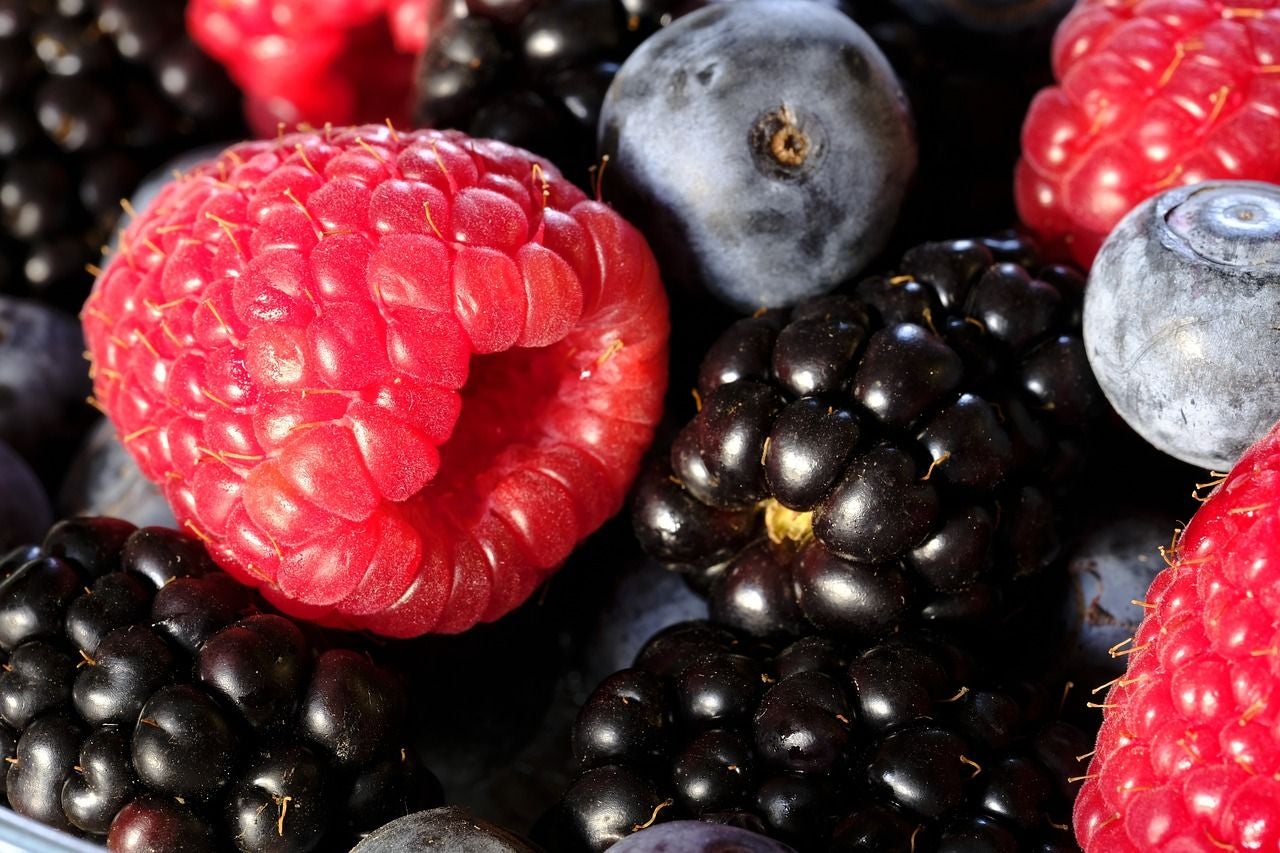
You might have heard that eating berries, such as strawberries, blueberries, raspberries, and blackberries, can help prevent cancer.

What science tells us

Berries are rich in antioxidants, such as vitamin C, quercetin, and anthocyanins, which help neutralize free radicals and reduce oxidative stress, a key factor in cancer development. Scientific studies support the idea that berries may play a role in cancer prevention.

Epidemiological Evidence

  • Many studies on animals and humans suggest that eating berries can lower the risk of cancers such as breast, esophagus, colon, and lung cancer. For example, black raspberries can change how genes handle cancer-causing substances and reduce the number of tumors.

Laboratory Evidence/Supporting Evidence

  • Berries help fight cancer by stopping cancer cell growth, triggering programmed cell death (apoptosis), and reducing inflammation. They also disrupt key pathways involved in cancer progression, like PI3K/Akt/mTOR and MAPK/ERK.

How to reduce your risk

1. Incorporate a Variety of Berries

  • Add a mix of strawberries, blueberries, raspberries, and blackberries to your diet. These berries are rich in different antioxidants that provide broad health benefits.

2. Enjoy Fresh or Frozen Berries

  • Whether fresh or frozen, berries retain their nutritional value. Use them in smoothies, as a topping for yogurt or cereal, or enjoy them on their own as a healthy snack.

4. Choose Organic Berries When Possible

  • Organic berries are less likely to contain pesticide residues, providing a cleaner option for your diet.

5. Balance Your Diet

  • While berries are beneficial, they should be part of a broader diet that includes a variety of fruits, vegetables, whole grains, and lean proteins. This balanced approach ensures you get a wide range of nutrients necessary for overall health.

Bottom line

Including berries in your diet is a tasty and nutritious way to potentially reduce your cancer risk. The beneficial compounds in berries work through multiple mechanisms to support cellular health and prevent cancer development. For optimal health benefits, consume a variety of berries regularly as part of a balanced diet rich in fruits, vegetables, whole grains, and lean proteins.

Watch this video on washing produce like berries from the USDA.

What you may have heard

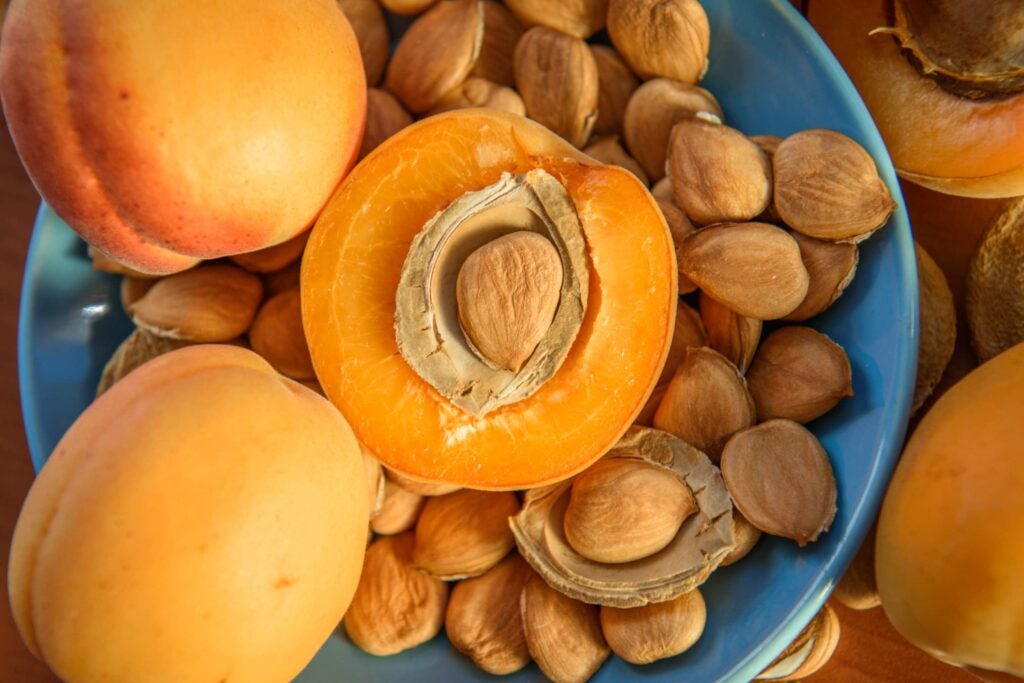
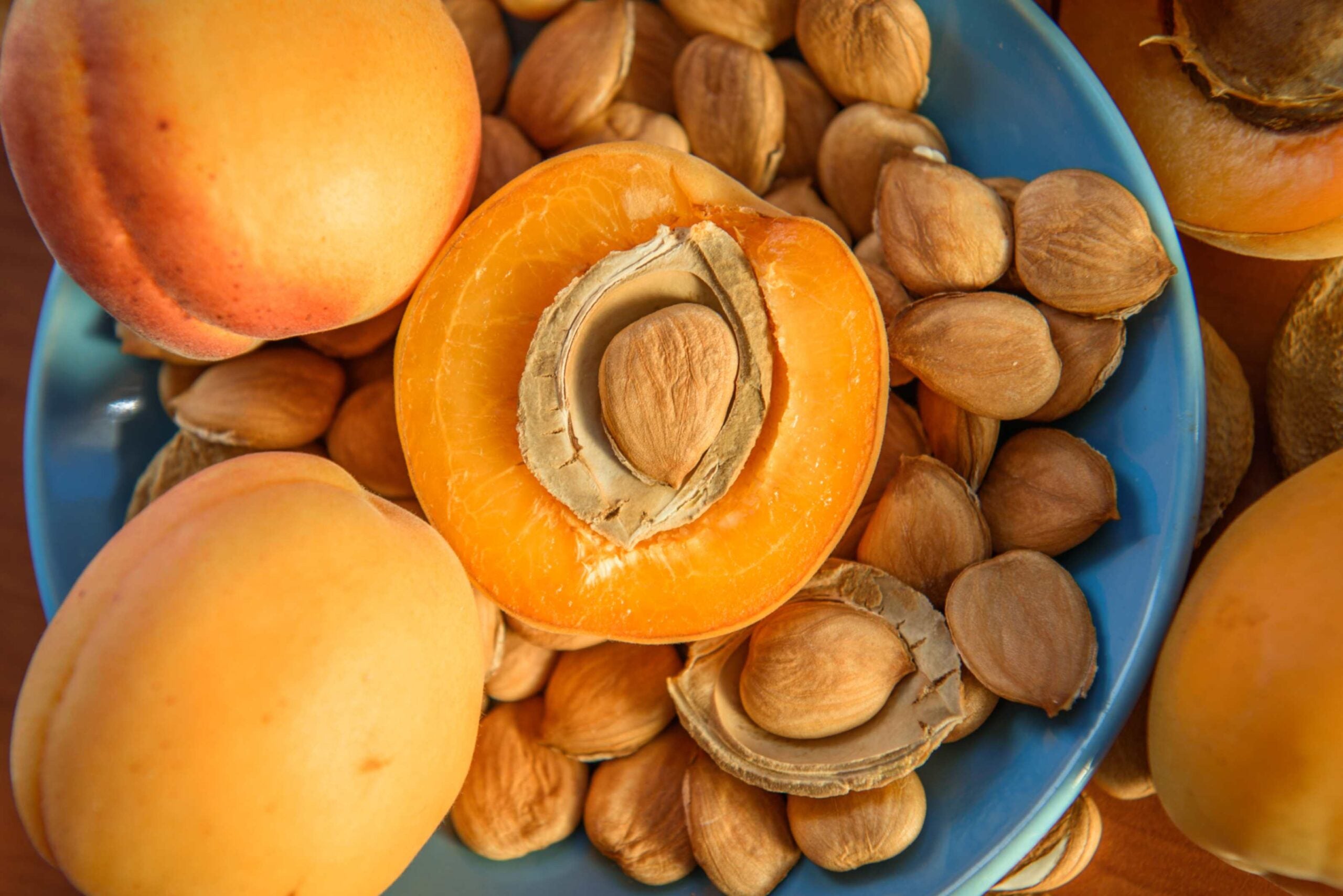
Apricot seeds cure cancer by targeting cancer cells and leaving normal cells unharmed.

What the science tells us

Apricot seeds contain amygdalin, a natural substance. Laetrile is a partly synthetic form of amygdalin. It is sometimes referred to as vitamin B17, though it is not actually a vitamin. Pharmaceutical companies produce Laetrile in the lab, and it is mistakenly called vitamin B17 by some.

When consumed, both amygdalin and Laetrile can release cyanide, a toxic substance that poses serious health risks. Amygdalin (Laetrile) has been linked to several cases of cyanide toxicity in cancer patients. Side effects can include inflammation and redness of the skin. High doses or prolonged use can lead to cyanide toxicity, resulting in symptoms such as nausea, vomiting, headaches, dizziness, mental confusion, bluish skin discoloration, inadequate oxygen supply to tissues, low blood pressure, drooping eyelids, nerve dysfunction, coma, and death.

Epidemiological Evidence

Studies show no reliable clinical data supporting the effectiveness of laetrile or amygdalin in treating cancer. Consistently, research has failed to demonstrate any significant anti-cancer effects from Amygdalin (Laetrile).

Laboratory Evidence/Supporting Evidence

While some lab studies suggest amygdalin might have anti-cancer properties, these findings have not been confirmed in human trials. The risk of cyanide poisoning from consuming Amygdalin (Laetrile) is a significant concern, making it unsafe as a treatment.

IARC Carcinogen Classification:

Not Classified

How to reduce your risk

Avoid using apricot seeds or products containing laetrile/amygdalin for cancer treatment. Laetrile is banned by the FDA in the United States due to its significant side effects and the absence of supporting evidence for its effectiveness. Similarly, its sale is prohibited in the UK and Europe, aligning with the global recognition of its dangers and lack of effectiveness.

Although Amygdalin (Laetrile) are not safe or effective for cancer treatment, apricots are nutritious, offering vitamins A and C, potassium, and dietary fiber. Many alternative cancer cure websites lack scientific credibility and can mislead patients, so it’s important to rely on treatments backed by solid scientific evidence.

Bottom line

The claim that apricot seeds can treat cancer is not supported by scientific evidence, and their consumption poses serious health risks, including cyanide poisoning. For effective cancer treatment, rely on evidence-based therapies and consult healthcare professionals.

What you may have heard

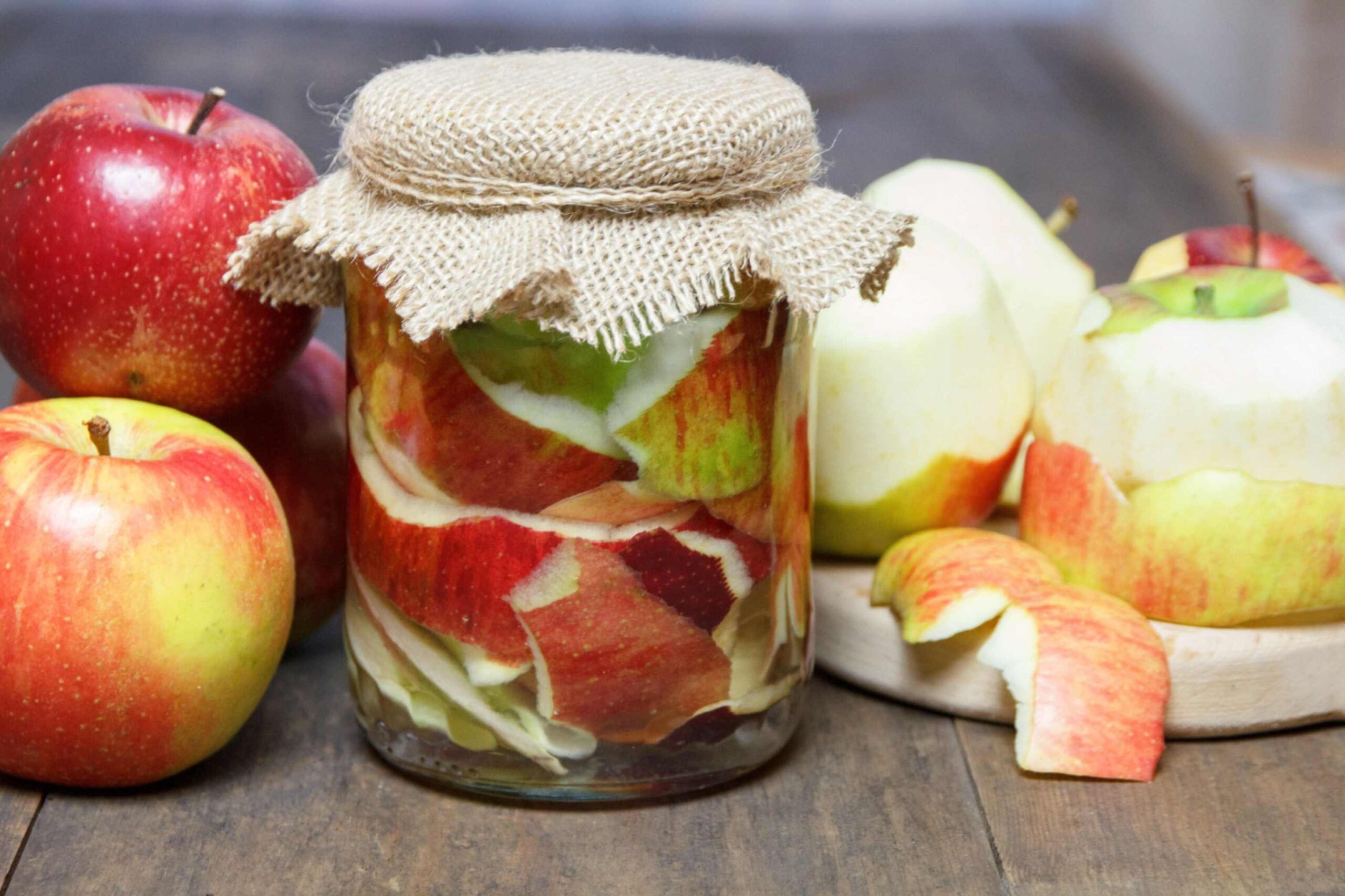
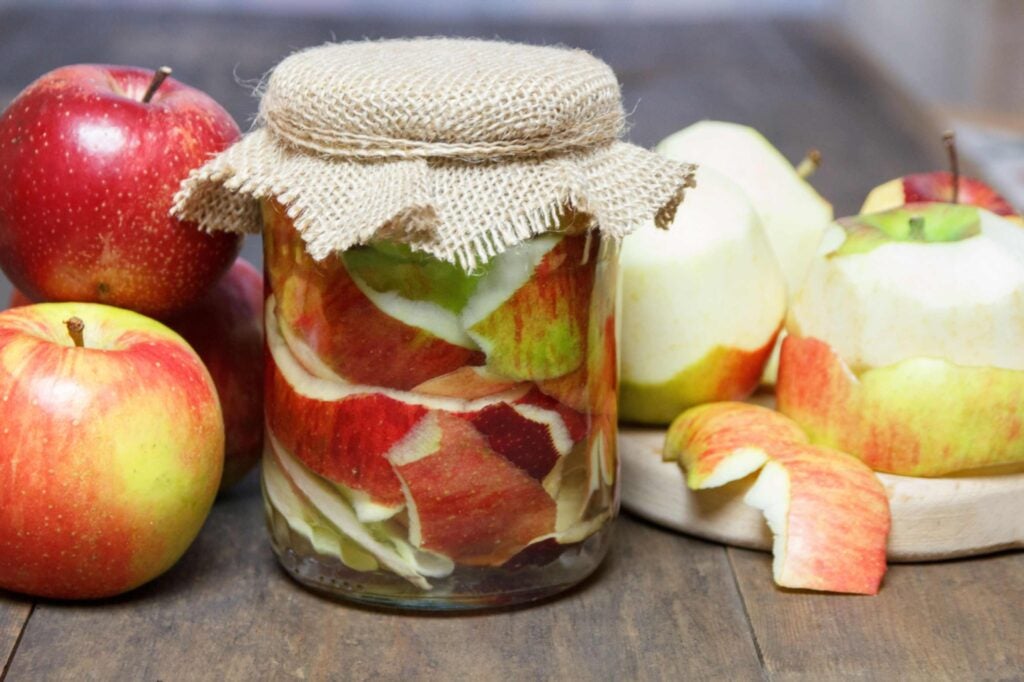
There are claims that apple cider vinegar (ACV) can treat or prevent cancer. This belief is based on the idea that ACV can create a more alkaline environment in the body, making it less hospitable for cancer cells to grow.

What the science tells us

In chemistry, the pH scale measures how acidic or basic a solution is, ranging from 0 to 14. A pH of 7 is neutral, below 7 is acidic, and above 7 is basic. ACV is acidic due to its main active compound, acetic acid.

Epidemiological Evidence

There are no human epidemiological studies that directly link the consumption of apple cider vinegar with a reduced risk of cancer. Most studies focus on the broader concept of dietary acidity and its potential effects on cancer.

Laboratory Evidence/Supporting Evidence

Laboratory studies have shown that cancer cells can grow more aggressively in acidic environments (Gupta et al., 2014). However, these studies do not suggest that consuming acidic foods like ACV affects cancer risk in humans. Your body’s pH levels are tightly regulated and not significantly influenced by diet. Some studies have indicated that acetic acid, the main component of ACV, can kill cancer cells in a lab setting (Okabe et al., 2014), but this does not translate to effective cancer treatment in humans.

IARC Carcinogen Classification: 

Not Classified

How to reduce your risk

While ACV is not a proven method for preventing or treating cancer, maintaining a healthy lifestyle is crucial. Research shows that no single diet or food can prevent cancer. Instead, a balanced diet combined with regular physical activity can help prevent excess weight gain, which is associated with cancer risk.

A healthy diet includes:

  • Fruits and vegetables
  • Healthy fats like avocado and olive oil
  • Limiting sweets and alcohol
  • Drinking plenty of water
  • Fiber-rich foods like whole grains
  • Reducing intake of red meats and avoiding processed meats
  • Regular physical activity
  • Enjoying your food in moderation

Bottom line

There is no scientific evidence that apple cider vinegar can treat or prevent cancer. Your body’s pH is not significantly affected by diet. Focus on a balanced diet and regular exercise to reduce your cancer risk and maintain overall health.

What you may have heard

Antioxidant supplements, such as vitamins A, C, and E, can help prevent cancer and other diseases.

What the science tells us

Antioxidants are substances, either synthetic or naturally occurring, that can help prevent or slow down certain types of cellular damage. They are present in a variety of foods, particularly fruits and vegetables, and can also be taken as dietary supplements. These supplements are often marketed as a way to boost your health by fighting off harmful free radicals (unstable molecules that are created during normal cell processes and can cause damage to cells) in the body.

The science on antioxidant supplements and cancer prevention is mixed and inconclusive. While antioxidants from food sources are beneficial and linked to various health benefits, high-dose antioxidant supplements do not have the same proven effects. In fact, some studies suggest that very high doses of certain antioxidant supplements might even increase the risk of some cancers. Antioxidant supplements have only single antioxidants, while food provides a complete mix of antioxidants, phytonutrients, vitamins, minerals, and fiber that work together for better health.

IARC Carcinogen Classification: 

Not Classified

How to reduce your risk

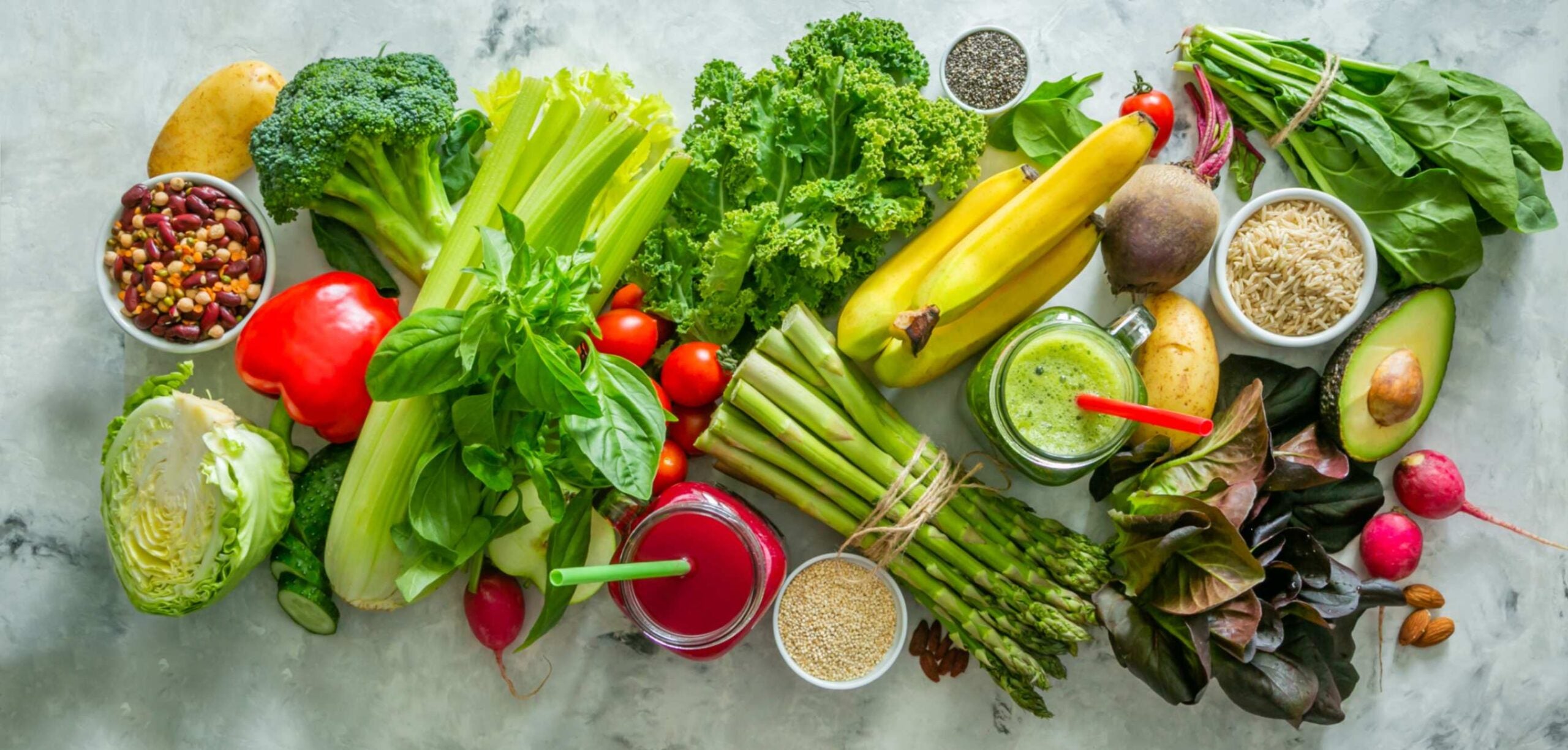
  • Eat a Rainbow:

Aim to include a variety of colorful fruits and vegetables in your daily diet. Each color represents different types of antioxidants and nutrients:

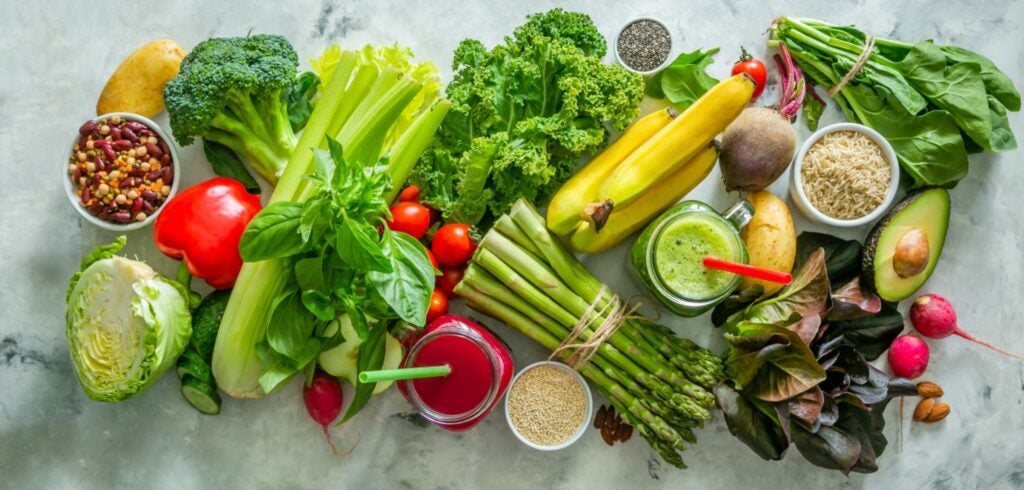
  • Red: Tomatoes, strawberries, red peppers, red kidney beans
  • Orange: Carrots, sweet potatoes, oranges
  • Yellow: Bell peppers, lemons
  • Green: Spinach, broccoli, kale
  • Blue/Purple: Blueberries, grapes, eggplants
  • Choose Whole Grains:

Replace refined grains with whole grains such as brown rice, quinoa, oats, and whole wheat products. Whole grains are rich in antioxidants and fiber.

  • Snack on Nuts and Seeds:

Include a variety of nuts and seeds into your diet, such as almonds, walnuts, flaxseeds, and chia seeds. These are excellent sources of antioxidants, healthy fats, and other nutrients.

  • Limit Processed Foods:

Reduce intake of processed foods, sugary snacks, and high-fat foods, as they can increase oxidative stress (damage to your cells caused by harmful molecules called free radicals) and cancel out the benefits of antioxidants.

Bottom line

It’s best to get your antioxidants from a variety of healthy foods, such as brightly colored fruits and vegetables, whole grains, nuts, seeds, and wheat germ. These foods not only provide antioxidants but also offer a host of other nutrients that work together to support your overall health. High-dose antioxidant supplements should not be relied upon for cancer prevention, and their use should be discussed with a healthcare provider.

To hear from a nutritionist on this subject, watch the video below.

What you may have heard

Adopting an alkaline diet , which focuses on consuming foods that supposedly create a more alkaline environment in the body, can protect against cancer. This diet often involves eating more fruits and vegetables while reducing intake of meat and processed foods.

What the science tells us

The evidence on whether an alkaline diet can prevent cancer is currently inconclusive. A breakdown of the scientific understanding follows.

  • The body maintains a tight control over blood pH through various mechanisms involving the lungs, kidneys, and bones. The idea that diet can significantly alter blood pH is not supported by scientific evidence.
  • Some lab studies suggest that cancer cells may create an acidic environment around them. However, this does not mean that an acidic diet causes cancer. The acidic environment may be a result of the cancer cells’ metabolism, the process that allows them to grow and produce energy.
  • Some observational studies have found associations between diets that produce a lower acid load and a reduced risk of certain cancers. However, these studies do not prove that a specific diet reduces the risk of cancer.
  • Comprehensive reviews of the research have found limited evidence to support the idea that dietary acid load directly influences cancer development.

IARC Carcinogen Classification: 

Not Classified

How to reduce your risk

1. Eat More Fruits and Vegetables

Increase your intake of a variety of colorful fruits and vegetables. These foods are rich in vitamins, minerals, antioxidants, and fiber, which all contribute to overall health.

2. Choose Whole Grains

Incorporate whole grains like brown rice, quinoa, oats, and whole wheat into your diet. Whole grains provide essential nutrients and fiber.

3. Limit Red and Processed Meats

Reduce consumption of red and processed meats, which have been linked to an increased risk of certain cancers. Choose lean proteins like fish, poultry, beans, and legumes.

4. Stay Hydrated

Drink plenty of water and limit sugary beverages. Staying hydrated supports overall health and can help maintain a healthy weight.

6. Avoid Smoking and Limit Alcohol

Do not smoke and limit alcohol consumption. Both smoking and excessive alcohol intake are significant risk factors for various types of cancer.

Bottom line

While an alkaline diet promotes the beneficial consumption of fruits and vegetables, there is no conclusive evidence that it can prevent cancer; instead, following a balanced diet rich in fruits, vegetables, whole grains, and lean proteins, along with maintaining a healthy weight through regular physical activity, is more effective.

What you may have heard

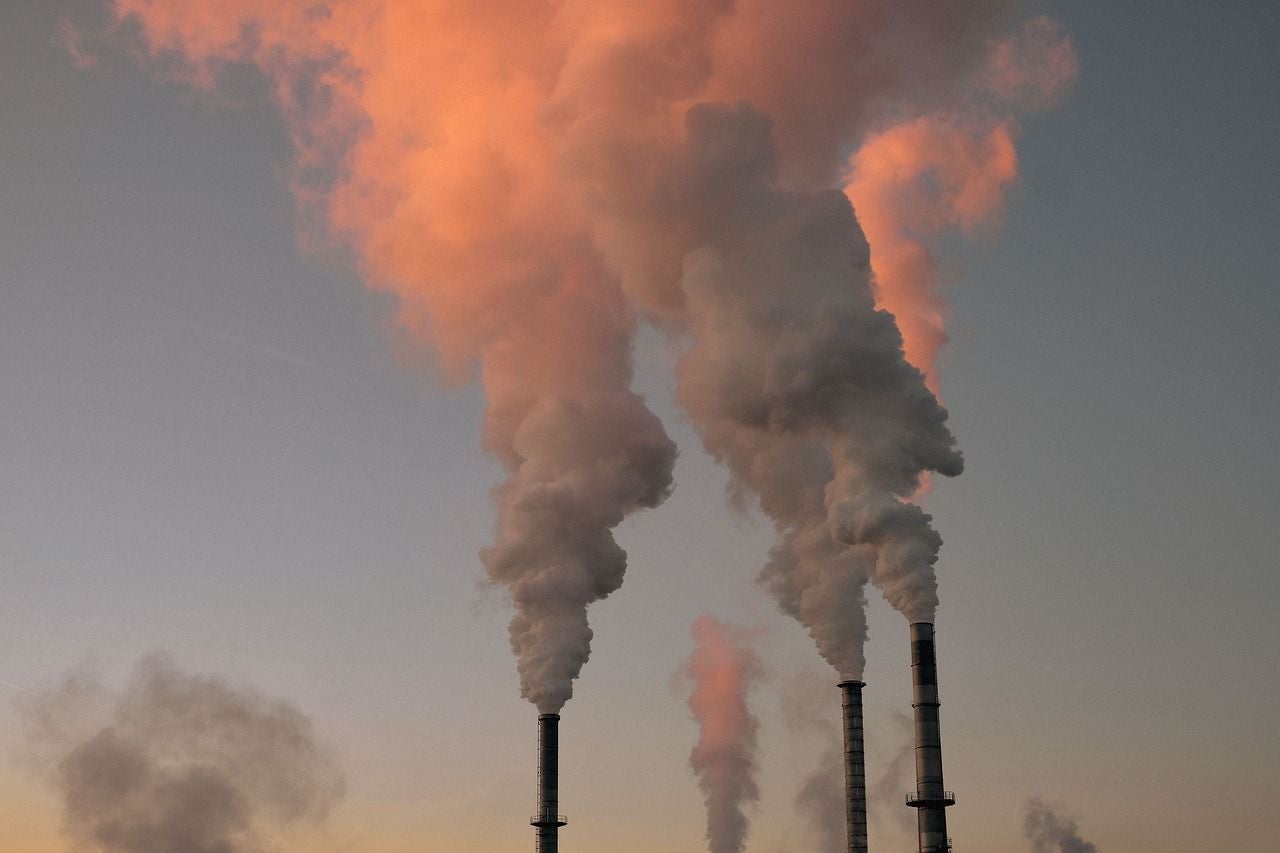
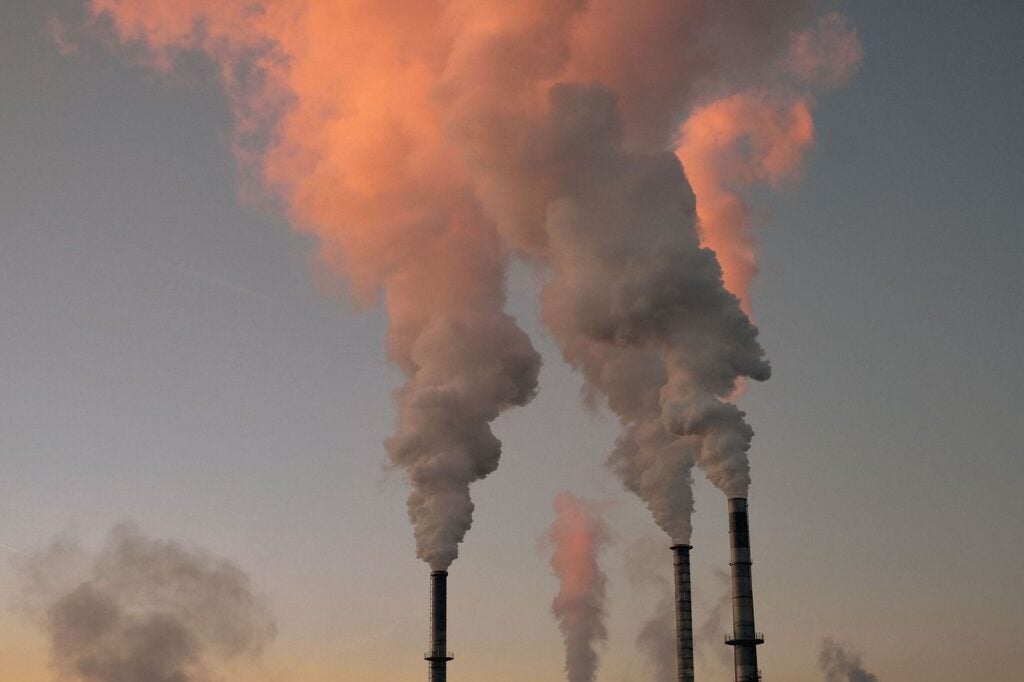
Breathing polluted air raises the chances of getting cancers like lung cancer and breast cancer.

What the science tells us

Epidemiological Evidence:

Research has shown that long-term exposure to fine particulate matter (PM2.5) is linked to a higher risk of several cancers. A major study, the National Institutes of Health-AARP Diet and Health Study, found that higher levels of PM2.5 were connected to an 8% increase in breast cancer risk, especially for a type of breast cancer known as estrogen receptor-positive.

The study also indicates that long-term exposure to PM2.5 and nitrogen dioxide (NO2), a harmful reddish-brown gas produced by vehicle emissions and industrial processes, may increase the risk of other cancers, such as colorectal and prostate cancers, particularly in older adults.

Laboratory Evidence/Supporting Evidence:

Studies indicate that PM2.5 can carry harmful substances like chemicals and metals that can cause genetic damage and hormonal changes. These tiny particles can reach deep into the lungs, leading to inflammation and cell damage, which can result in cancer.

IARC Carcinogen Classification:

Group 1 carcinogens.

How to reduce your risk

  • Try to avoid areas with high air pollution, especially during times of heavy traffic.
  • Use air purifiers at home to reduce indoor air pollution.
  • Advocate for policies and initiatives that aim to reduce air pollution.
  • Maintain a healthy diet, exercise regularly, and avoid smoking to further lower your cancer risk.

Bottom line

There is strong evidence that air pollution, especially fine particulate matter, increases the risk of cancer. While it’s hard to avoid air pollution completely, you can take steps to reduce your exposure and support cleaner air initiatives to help lower your risk.

To learn more about how air pollution negatively affects your health, watch these short videos from the American Lung Association and the World Health Organization.

What you may have heard

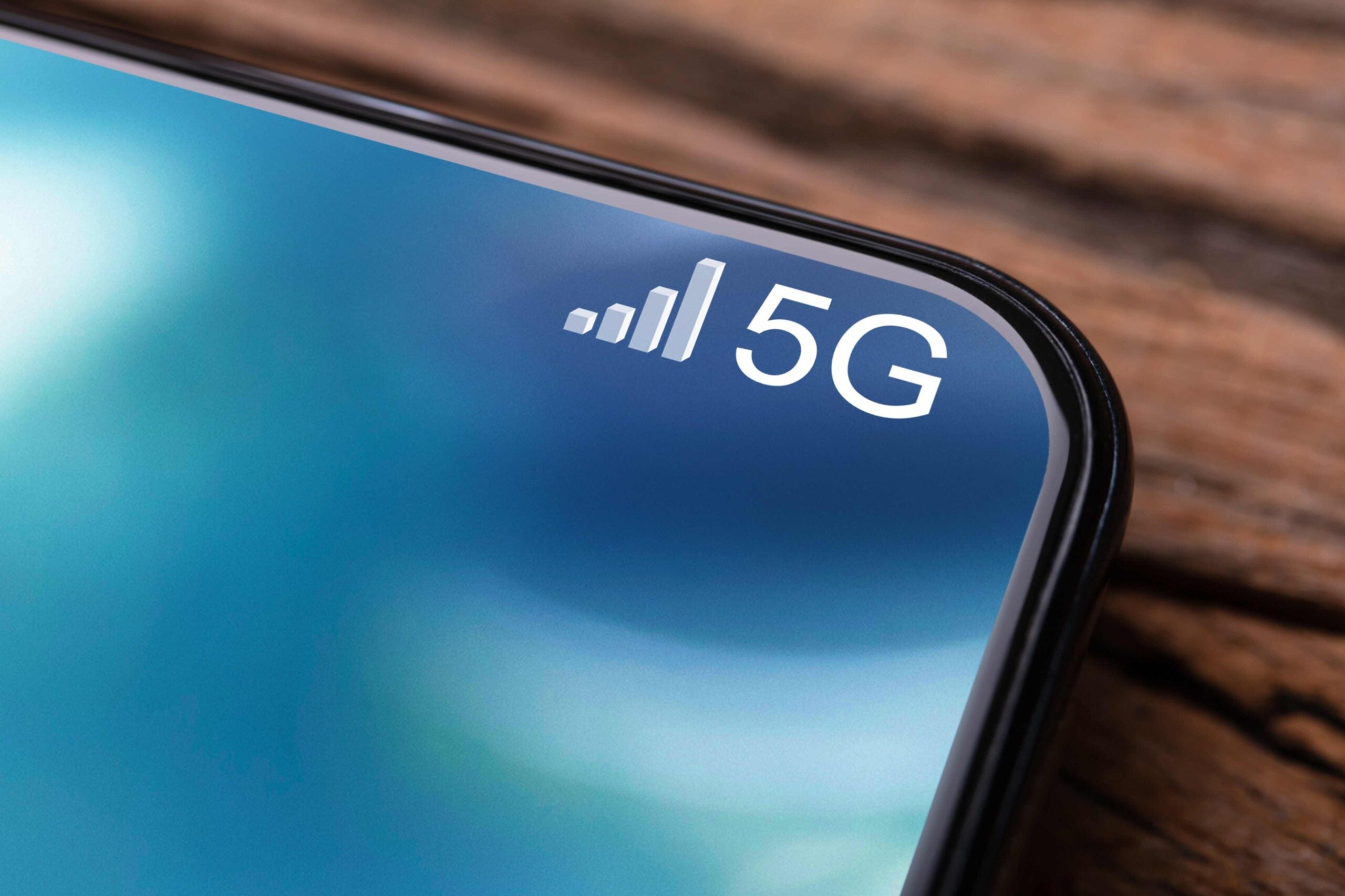
You might have heard that 5G technology can cause cancer because it uses higher frequency waves than older mobile networks.

What the science tells us

Epidemiological Evidence

Many studies have looked into whether cell phones, including 5G, cause cancer. So far, most studies have not found a clear link between using mobile phones and getting cancer.

The US Food and Drug Administration (FDA) says studies showing changes in the body from radiofrequency (RF) radiation have not been consistent. Most epidemiological studies do not show a link between this radiation and health problems. The FDA believes current safety limits for cell phones protect public health.

Laboratory Evidence/Supporting Evidence

Lab tests on the type of radiation used by 5G, RF radiation, have not shown it can damage DNA or cause cancer. This type of radiation is much weaker than the type of radiations used in X-rays.

RF radiation mostly just heats up tissues a little bit, but this isn’t enough to cause cancer. Scientists are still studying the long-term effects, but so far, there’s no strong evidence that 5G causes cancer.

IARC Classification:

RF radiation is Group 2B  (possibly carcinogenic).

Other groups, like the US Centers for Disease Control and Prevention (CDC), say there’s no definite proof that cell phone use causes cancer.

How to reduce your risk

While the evidence doesn’t show that 5G causes cancer, you can still take some simple steps to reduce your exposure to RF radiation:

  • Use speaker mode or a headset to keep the phone away from your head.
  • Limit how long you talk on the phone.
  • Text instead of calling when you can.
  • Avoid using your phone when the signal is weak because it works harder and emits more radiation.

Bottom line

Right now, there’s no strong evidence that 5G technology increases the risk of cancer, but scientists are still researching it. It’s always a good idea to use your phone sensibly and keep up with new findings.

Fact Finder Tool

Discover insights, research, and information to help you navigate cancer-related topics with confidence.

952 posts available
5 categories

CLAIM: Consuming berries can prevent cancer

What you may have heard You might have heard that eating berries, such as strawberries, blueberries, raspberries, and blackberries, can help prevent cancer. What science tells us Berries are rich in antioxidants, such as vitamin C, quercetin, and anthocyanins, which help neutralize free radicals and reduce oxidative stress, a key factor in cancer development. Scientific…

Read More →

CLAIM: Apricot seeds treat cancer

What you may have heard Apricot seeds cure cancer by targeting cancer cells and leaving normal cells unharmed. What the science tells us Apricot seeds contain amygdalin, a natural substance. Laetrile is a partly synthetic form of amygdalin. It is sometimes referred to as vitamin B17, though it is not actually a vitamin. Pharmaceutical companies…

Read More →

CLAIM: Antioxidants can help prevent cancer

What you may have heard Antioxidant supplements, such as vitamins A, C, and E, can help prevent cancer and other diseases. What the science tells us Antioxidants are substances, either synthetic or naturally occurring, that can help prevent or slow down certain types of cellular damage. They are present in a variety of foods, particularly…

Read More →

CLAIM: An alkaline diet can prevent cancer

What you may have heard Adopting an alkaline diet , which focuses on consuming foods that supposedly create a more alkaline environment in the body, can protect against cancer. This diet often involves eating more fruits and vegetables while reducing intake of meat and processed foods. What the science tells us The evidence on whether…

Read More →

CLAIM: Air pollution causes cancer

What you may have heard Breathing polluted air raises the chances of getting cancers like lung cancer and breast cancer. What the science tells us Epidemiological Evidence: Research has shown that long-term exposure to fine particulate matter (PM2.5) is linked to a higher risk of several cancers. A major study, the National Institutes of Health-AARP Diet…

Read More →

CLAIM: 5G technology increases the risk of cancer

What you may have heard You might have heard that 5G technology can cause cancer because it uses higher frequency waves than older mobile networks. What the science tells us Epidemiological Evidence Many studies have looked into whether cell phones, including 5G, cause cancer. So far, most studies have not found a clear link between…

Read More →