Fact Finder Tool
Discover insights, research, and information to help you navigate cancer-related topics with confidence.
Discover insights, research, and information to help you navigate cancer-related topics with confidence.
What you may have heard Some athletes and parents have raised concerns that playing on artificial turf, especially turf with crumb rubber infill made from recycled tires, may increase the risk of developing cancer. Media reports and anecdotal clusters of illness have contributed to public concern. What science tells us Artificial turf contains materials that…

What you may have heard Herbal products containing Aristolochia (or related plants) can cause cancer. People worry because these products have been linked to kidney damage and cancers of the urinary tract. What science tells us Aristolochic acids are naturally occurring compounds in some Aristolochia species. Major agencies classify Aristolochic acids as human carcinogens, and…

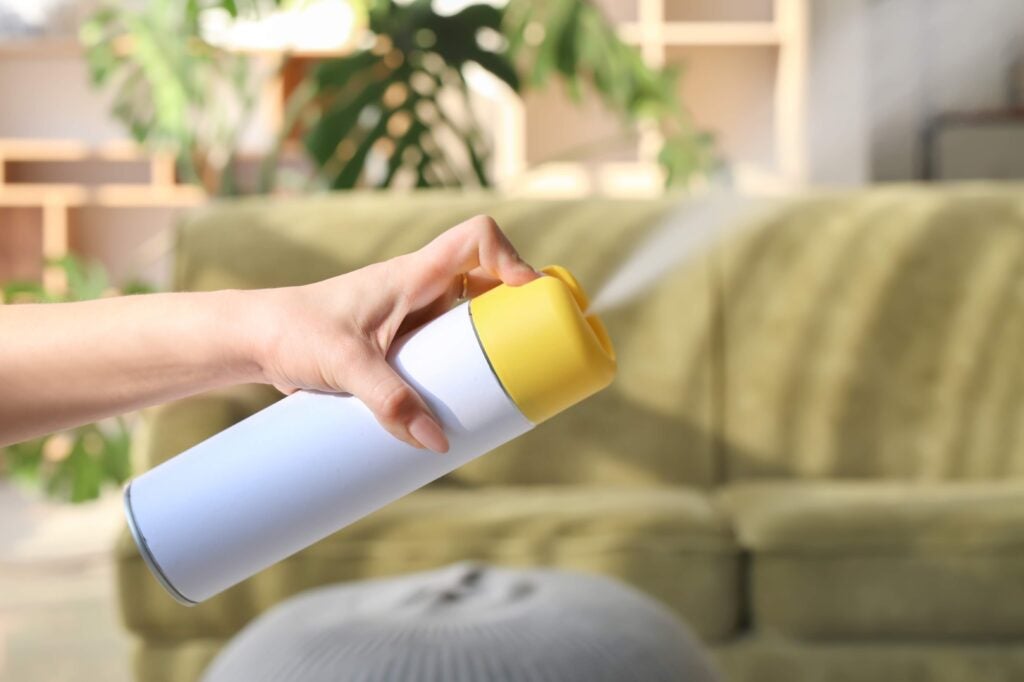
What you may have heard People say that using air fresheners at home can raise cancer risk. The concern is that these products release chemicals like VOCs, formaldehyde, and 1,4-dichlorobenzene (EPA). What science tells us Air fresheners and other fragranced products emit VOCs. Some VOCs found indoors, including formaldehyde and benzene, are classified by major…
What you may have heard You might have heard that eating moldy grains or nuts can increase your cancer risk. This concern is often linked to something called aflatoxins, toxic substances produced by certain types of mold, especially in warm and humid regions. What science tells us Aflatoxins are naturally occurring toxins made by Aspergillus…

What you may have heard Higher levels of vitamin D can reduce cancer mortality and prevent cancer from becoming advanced. What science tells us Emerging research indicates that vitamin D might play a role in cancer prevention and management. However, the evidence is mixed, and further studies are needed to fully understand its impact. Clinical…
What you may have heard Titanium dioxide, used in food and cosmetics, may cause cancer. What science tells us Titanium dioxide (TiO2) is a mineral used as a whitening agent and pigment in various products, including foods, cosmetics, paints, and plastics. It’s commonly found in personal care items like sunscreens, pressed powders, and loose powders,…

What you may have heard Getting a tattoo can directly lead to cancer. What science tells us Epidemiological Evidence Several studies have explored the potential link between tattoos and cancer. For instance, researchers at Lund University in Sweden investigated the association between tattoo exposure and malignant lymphoma using data from people diagnosed with lymphoma between…

What you may have heard You might have heard that sugar directly feeds cancer cells and causes cancer to grow and spread more quickly. What science tells us Epidemiological Evidence: Research shows that while all cells in our body, including cancer cells, use sugar (glucose) as a source of energy, sugar does not specifically “feed”…
What you may have heard Noninvasive sound waves can break down tumors and prevent cancer from spreading without harmful side effects. What science tells us Histotripsy is a technique that uses targeted ultrasound waves to break down tumors. Developed at the University of Michigan, this method focuses high-energy ultrasound waves to form microbubbles within the…
What you may have heard Soft drinks, including sugar-sweetened beverages (SSB) and artificially sweetened beverages (ASB), have been linked to an increased risk of cancer. This includes both common and rare types of cancers, with significant concern around liver cancer and breast cancer. What the science tells us Emerging evidence from observational studies suggests a…

What you may have heard The Rife machine can cure cancer by using electromagnetic frequencies that target and destroy cancer cells. What science tells us The Rife machine, developed by Royal Raymond Rife in the 1920s, is a device that generates low electromagnetic energy waves, similar to radio waves. Proponents claim that these waves can…
What you may have heard Red Dye 3, used in foods and cosmetics, is linked to cancer. What science tells us Red Dye 3, also known as FD&C Red No. 3, Red Dye No. 3, and Red Dye 3, is a synthetic dye used to color foods, cosmetics, and drugs. It gives products a bright,…