Skip to content

What you may have heard

UV lamps used in gel manicures can cause skin cancer due to the UV radiation they emit, similar to tanning beds.

What science tells us

Epidemiological Evidence:

The evidence from epidemiological studies is currently inconclusive. While there have been anecdotal reports of individuals developing skin cancer on their hands after frequent gel manicures, comprehensive long-term studies are lacking. Therefore, it is unclear if occasional or even regular use of these UV lamps significantly increases cancer risk.

Laboratory Evidence/Supporting Evidence:

Recent research from the University of California, San Diego, demonstrated that UV-nail polish dryers can cause DNA damage and cell death in human cells. The study found that a single 20-minute session of UV exposure resulted in 20-30% cell death, while three consecutive sessions led to 65-70% cell death. DNA damage observed included mutations similar to those seen in skin cancer patients. However, this laboratory evidence, while concerning, does not directly translate to an increased risk in humans without supporting epidemiological data.

IARC Carcinogen Classification: 

classifies broad-spectrum UV radiation as a Group 1 carcinogen, meaning it is carcinogenic to humans. However, the specific UV spectrum used in nail dryers (340-395nm) has not been conclusively studied in the same context as other UV sources like tanning beds.

How to reduce your risk

  • Use sunscreen: Apply a broad-spectrum sunscreen with an SPF of 30 or higher to your hands before a gel manicure to protect against UVA radiation.
  • Wear protective gloves: Consider using gloves with the fingertips cut off to shield your skin from UV exposure.
  • Limit frequency: Reduce the number of gel manicures you get to minimize cumulative UV exposure.
  • Opt for alternative methods: Consider using non-UV methods for curing gel polish or opt for traditional nail polish.

Bottom line

While laboratory studies show that UV-nail polish dryers can cause DNA damage in cells, the evidence linking gel manicures to an increased risk of skin cancer in humans is not definitive. Until more comprehensive epidemiological data is available, it is important to take protective measures to minimize UV exposure during gel manicures.

For further reading, check out this short aricle about gel manicures and cancer risk from the Dana-Farber Cancer Insittute.
What you may have heard

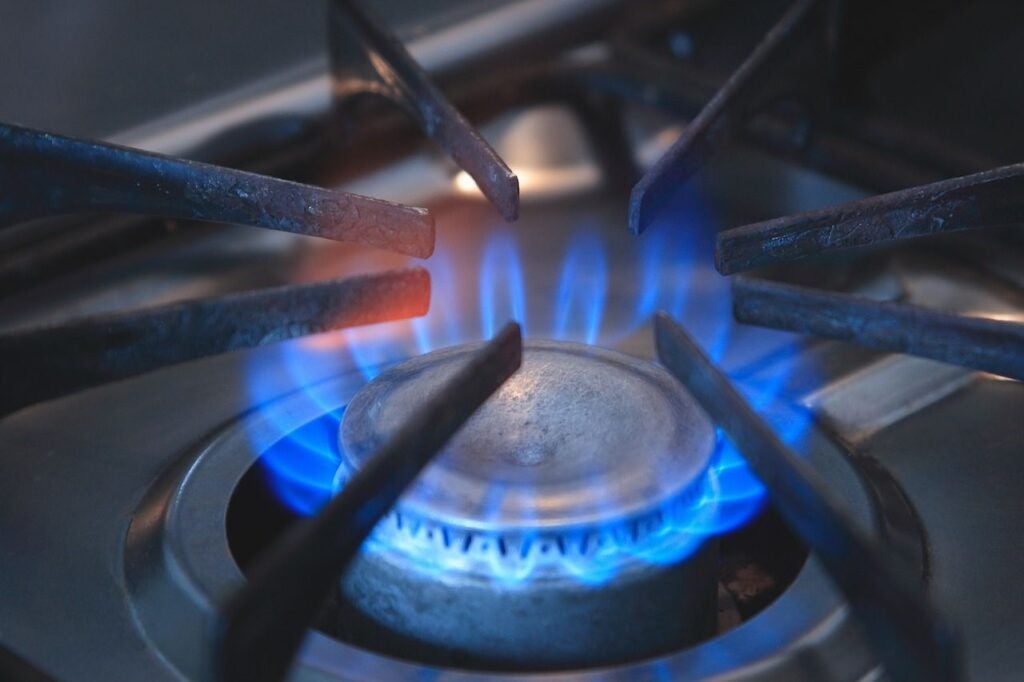
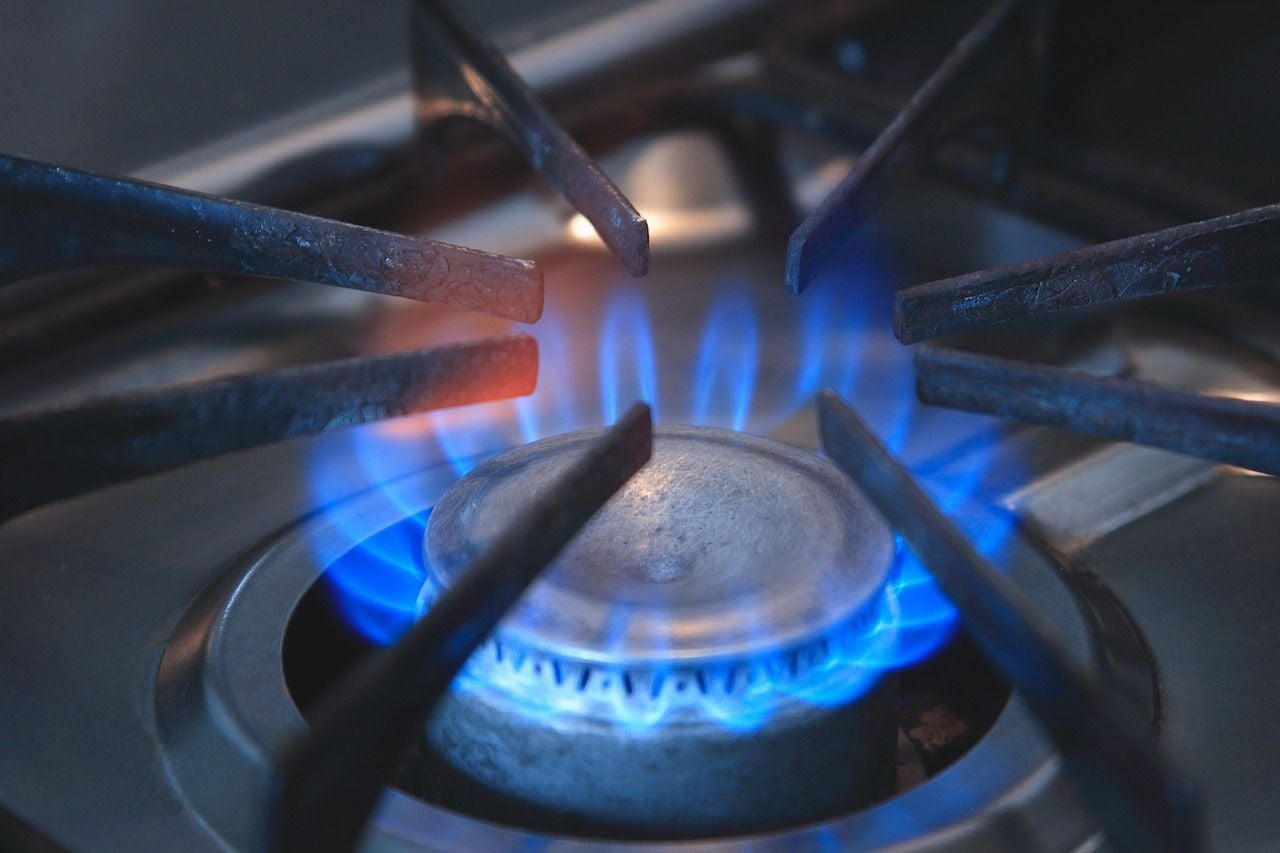
Cooking with gas stoves or using butane can release harmful chemicals into the air, potentially increasing the risk of cancer.

What the science tells us

Epidemiological Evidence

There is substantial epidemiological evidence linking gas stove use to adverse health outcomes. For instance, a 2013 meta-analysis concluded that children living in homes with gas stoves have a 42% higher risk of asthma compared to those in homes without gas stoves. A 2022 analysis attributed 12.7% of childhood asthma cases in the U.S. to gas stoves. These studies suggest that the pollutants emitted from gas stoves, including benzene, nitrogen dioxide, and carbon monoxide, contribute to respiratory and other health issues.

Laboratory Evidence/Supporting Evidence

Research led by Stanford University has shown that gas stoves emit benzene, a chemical known to cause leukemia and other blood cell cancers. The levels of benzene emitted can sometimes exceed those found in secondhand tobacco smoke, posing significant health risks, especially when ventilation is inadequate. Benzene emissions from gas and propane burners were found to be significantly higher than those from electric stoves. Induction cooktops did not emit detectable benzene.

IARC Carcinogen Classification: 

Group 1 carcinogen, meaning it is definitively known to cause cancer in humans.

How to reduce your risk

  • Improve Ventilation: Always use a range hood that vents to the outside or open windows while cooking to reduce indoor pollutant concentrations.
  • Switch to Electric Appliances: Consider using electric stoves, induction cooktops, or other electric kitchen appliances that do not emit benzene.
  • Take Advantage of Rebates: Look for state, local, or federal rebates and incentives to help offset the cost of replacing gas appliances with safer alternatives.
  • Use Portable Induction Cooktops: These can be a cost-effective alternative to traditional gas stoves and do not emit harmful chemicals.

Bottom line

Cooking with gas stoves or using butane can significantly increase indoor benzene levels, a known carcinogen linked to blood cell cancers. By improving ventilation, switching to electric or induction cooking methods, and utilizing available rebates, you can reduce your exposure and lower your risk of cancer. Prioritize safer cooking practices to protect your health and well-being.

For more information, watch this short video on gas stoves and indoor air pullution from the Woods Institute for the Environment at Stanford Univeristy.

What you may have heard

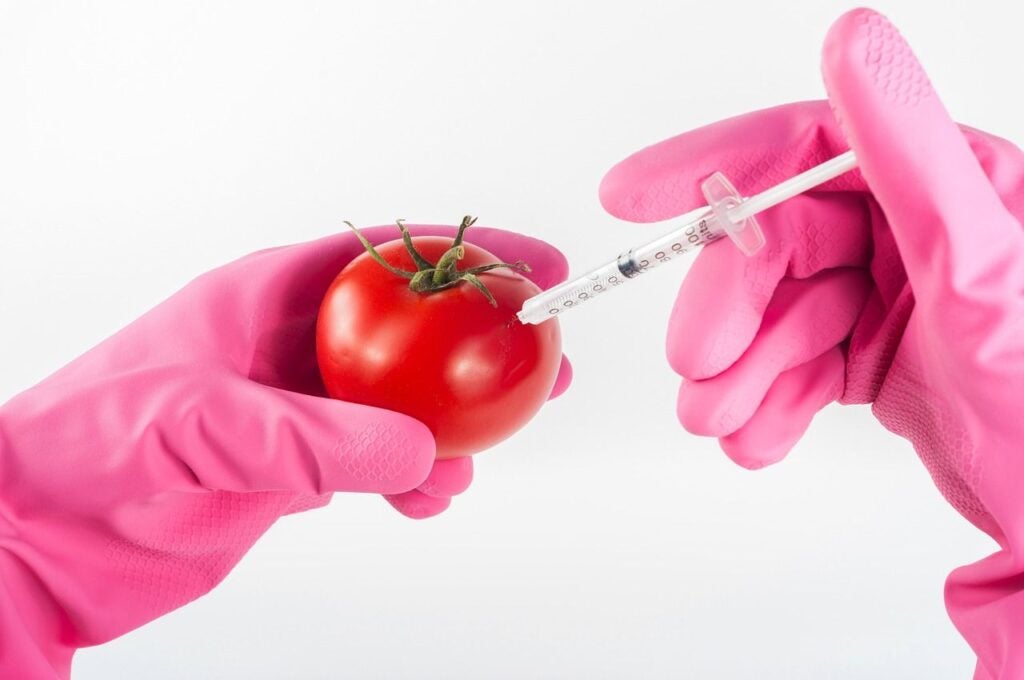
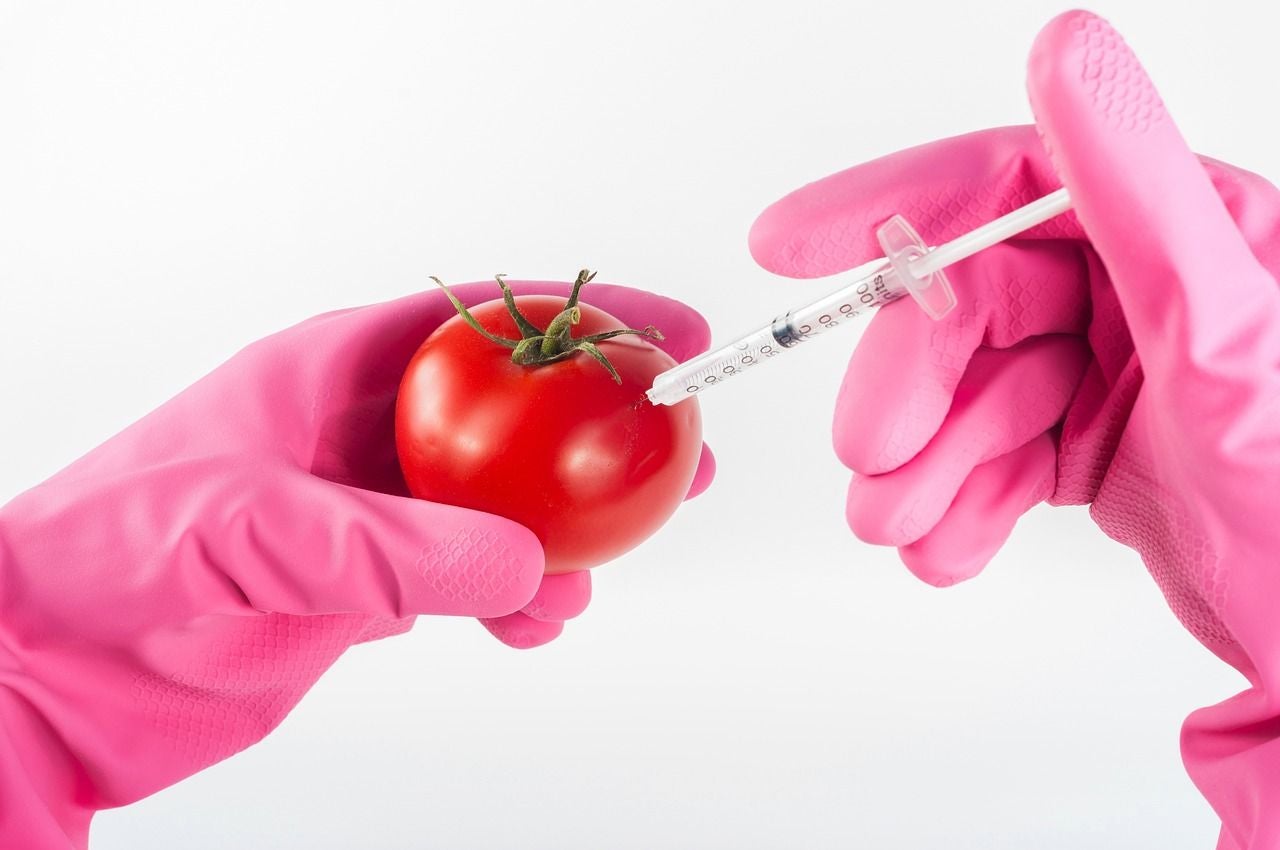
Consuming genetically modified foods increases the risk of developing cancer.

What the science tells us

Epidemiological Evidence

  • Current research on the health risks of GMOs does not support a link to cancer. While GMOs have been prevalent in the US since the 1990s, there has not been a significant increase in cancer cases directly linked to their consumption.
  • An analysis by the National Academies of Sciences, Engineering, and Medicine found that patterns of change in cancer rates in the United States are similar to those in Europe and the United Kingdom, where people eat fewer GMO foods. Cancer rates are not connected with eating GMOs (FDA).

Laboratory Evidence/Supporting Evidence

  • Genetic modification involves precise changes to an organism’s DNA to enhance specific traits such as pest resistance, improved nutritional content, and increased hardiness. This process, known as genetic engineering, is carefully controlled and tested.
  • GMO foods undergo rigorous safety assessments before being approved for public consumption. These assessments include tests to ensure that GMOs do not introduce new allergens or toxins.
  • Research shows that GMO foods are as healthful and safe to eat as their non-GMO counterparts. Studies have demonstrated that GMO plants fed to farm animals are just as safe as non-GMO animal feed (FDA).

IARC Carcinogen Classification:

not classified.

How to reduce your risk

Genetically modified foods are considered safe and are not likely to increase your risk of cancer. However, if you would rather not consume them, you can try the following advice.

  • Buy Organic Foods Organic foods are grown from non-GMO seeds and are less likely to contain genetically modified ingredients.
  • Choose Grass-Fed or Pasture-Fed Meat Select meat from animals that have been fed non-GMO feed to reduce exposure to genetically modified ingredients.
  • Read Labels Look for products labeled as non-GMO or GMO-free, especially those that avoid common GMO ingredients like corn syrup and soy lecithin.
  • Shop Local Purchasing from local farmers’ markets can help you avoid GMOs, as many small-scale and local farms do not use genetically modified seeds.

Bottom line

The belief that GMOs cause cancer is not supported by conclusive scientific evidence. While there are concerns about the long-term health effects of consuming genetically modified foods, current research has not demonstrated a direct link to cancer. Consumers can take steps to minimize their intake of GMOs by choosing organic and non-GMO labeled products. Ongoing research continues to ensure the safety of GMOs for human consumption.

What you may have heard

Fluoride, which is commonly added to drinking water to prevent tooth decay, is linked to an increased risk of cancer.

What the science tells us

Epidemiological Evidence:

Numerous large-scale epidemiological studies have investigated the possible connection between fluoride levels in drinking water and cancer rates. Most of these studies have not found a strong, consistent link between fluoride and cancer. Differences in study design and populations make it challenging to draw definitive conclusions.

Laboratory Evidence/Supporting Evidence:

Laboratory studies, including those conducted by the National Toxicology Program, have produced mixed results. For example, some studies found increased rates of osteosarcoma, a type of bone cancer, in male rats exposed to high levels of fluoride, but these findings have not been consistently reproduced in humans.

IARC Carcinogen Classification: 

Not Classified

How to reduce your risk

For those who are concerned about excessive fluoride exposure, some simple steps to help manage and reduce your fluoride intake follow.

  • If you use public water, contact your local water supplier for fluoride levels. If your water has high fluoride levels, consider drinking bottled water with lower fluoride or using water filters that remove fluoride.
  • Follow guidelines when using fluoride toothpaste, especially for children. Use a pea-sized amount for kids under six and supervise to prevent swallowing. Consult a dentist for advice on fluoride use for children under two.

Bottom line

Current scientific evidence does not support a strong link between fluoride in drinking water and cancer risk. While some studies have suggested a potential connection, the overall consensus from health organizations is that fluoride is safe and effective in preventing dental decay at recommended levels. Ongoing research continues to monitor and evaluate the potential health effects of fluoride exposure.

What you may have heard

Fenbendazole (a drug used to deworm dogs), cured a patient with small cell lung cancer.

What the science tells us

Both the FDA and EMA prohibit the use of fenbendazole in humans due to potential toxicity and teratogenic effects. The recommended dosage for animals is significantly higher than the acceptable daily intake for humans, raising concerns about safety when self-administered by cancer patients.

Epidemiological Evidence:

There is currently no robust epidemiological evidence supporting the use of fenbendazole as an effective cancer treatment in humans. Claims are primarily based on anecdotal reports rather than well-documented clinical studies.

Laboratory Evidence/Supporting Evidence:

Studies have shown that fenbendazole can inhibit the growth of cancer cells in vitro (in the lab) by destabilizing microtubules, which are crucial for cell division. For instance, it has shown toxicity to EMT6 mouse mammary tumor cells and has been suggested to have anti-cancer properties through microtubule destabilization. However, these findings are limited to cell cultures and animal models, with no conclusive evidence in human clinical trials.

In animal studies, such as those conducted on EMT6 mouse mammary tumors, fenbendazole did not significantly alter tumor growth or enhance the effects of radiation therapy. Some studies in mice have shown reduced tumor growth when fenbendazole was used in combination with other treatments, but these results have not been replicated in humans.

IARC Carcinogen Classification: 

not classified.

How to reduce your risk

If you are considering alternative treatments for cancer, it is crucial to consult with your healthcare provider. Relying on unproven treatments can lead to adverse health effects and delay the use of established, effective therapies. Stick to evidence-based treatments and discuss any complementary therapies with your doctor.

Bottom line

While laboratory studies suggest that fenbendazole has potential anti-cancer properties, there is no conclusive evidence that it is effective or safe for treating cancer in humans. The claims about its cancer-curing abilities are not supported by robust scientific data, and self-administration poses significant health risks. Always seek professional medical advice before considering alternative treatments.

What you may have heard

Fasting has been suggested as a beneficial practice for cancer patients, potentially improving the effectiveness of treatments and reducing their adverse effects.

What science tells us

Fasting, including intermittent fasting, involves periods of reduced or no-calorie intake. Emerging evidence indicates that fasting might foster conditions that limit cancer cell growth and enhance the body’s response to cancer treatments. However, we still don’t have a complete understanding of how these interactions work together.

Clinical Evidence

Recent studies and clinical trials have shown that intermittent fasting can lead to:

  • increased effectiveness of chemotherapy and radiation;
  • reduced side effects, such as fatigue and gastrointestinal issues; and
  • improved overall quality of life for patients undergoing cancer treatment.

Laboratory Evidence/Supporting Evidence

  • Fasting reduces insulin and IGF-1 levels, which can suppress cancer cell growth and make them more susceptible to treatment.
  • Enhanced autophagy, which is the process where cells break down and recycle damaged parts, during fasting helps improve treatment outcomes.
  • Fasting can also decrease oxidative stress, which is the damage caused by unstable molecules, and reduce inflammation, potentially slowing cancer progression.

How to reduce your risk

Fasting is not suitable for all cancer patients. Risks include:

  • malnutrition, leading to weight loss and slower healing;
  • increased fatigue and stress during an already challenging time; and
  • potential complications from not receiving adequate nutrients, especially when experiencing side effects like nausea or loss of appetite.

Religious Fasting Considerations

Many religions permit exemptions from fasting if it affects health. Patients should consult with their religious leaders and healthcare providers to find suitable alternatives. Ensure fasting plans are discussed with oncologists and dietitians. Regularly check nutritional status and adjust the fasting regimen as needed to avoid adverse effects.

Bottom line

While fasting shows potential benefits in enhancing cancer treatment, more research is needed to confirm its safety and efficacy. Malnutrition is very common in cancer patients, and eating balanced, small frequent meals is recommended to avoid weight loss and malnutrition. To date, there are no official recommendations to endorse fasting for cancer patients. It is important to have adequate calories, protein, and fluids to support overall health and treatment effectiveness.

What you may have heard

Decaf coffee made using methylene chloride can cause cancer because the chemical is harmful.

What the science tells us

Methylene chloride is a chemical solvent used in various industries, including paint stripping, foam manufacturing, cleaning, and degreasing. It is known to be harmful and can cause cancer, heart problems, and damage to the nervous system and liver. People can be exposed to methylene chloride by breathing it in, getting it on their skin, or touching products that contain it.

In the decaffeination process, methylene chloride is used to remove caffeine from coffee beans. The caffeine bonds with the methylene chloride, leaving the coffee beans mostly caffeine-free but retaining their flavor. The FDA regulates the amount of methylene chloride that can remain in decaf coffee, ensuring it does not exceed 10 parts per million. This level is considered safe, but there is still some debate about the long-term effects of even small amounts of this chemical.

Epidemiological Evidence

Studies on whether decaf coffee made with methylene chloride causes cancer are not clear. Some research shows that methylene chloride can cause cancer, but the amount in decaf coffee is very low and regulated by the FDA.

Laboratory Evidence/Supporting Evidence

Lab tests have shown that high levels of methylene chloride can cause cancer in animals. But the levels in decaf coffee are much lower.

IARC Carcinogen Classification:

2A carcinogen, “probably carcinogenic to humans”.

How to reduce your risk

  • Choose Alternatives: Look for decaf coffee made with methods like the Swiss Water Process or carbon dioxide, which don’t use methylene chloride.
  • Check Labels: Buy decaf coffee labeled as solvent-free, Swiss Water processed, or certified organic.
  • Moderate Consumption: If you drink decaf coffee with methylene chloride, do so in moderation to reduce any potential risk.

Bottom line

Methylene chloride in decaf coffee is regulated and kept at low levels. There is no clear evidence that these low levels cause cancer, but choosing decaf coffee made with other methods can reduce any potential risk.

For a video on the potential benefit of regular coffee, watch this video from the Dana-Farber Cancer Institute below.

What you may have heard

Colon cleansing can lower the risk of colorectal cancer by removing toxins and waste from the colon.

What the science tells us

The colon, an integral part of the digestive system, is responsible for absorbing water, salts, and nutrients from ingested food before expelling solid waste. It plays a vital role in maintaining a healthy bacterial composition, known as the microbiome, which is crucial for overall health and may offer protection against infections and colorectal cancer. The body’s natural digestive processes, including regular bowel movements, are sufficient to eliminate waste and toxins, thereby supporting a balanced gut microbiome without the need for additional cleansing.

Epidemiological Evidence:

Scientific research does not support the notion that colon cleansing reduces the risk of colorectal cancer. The colon’s natural functions are adequate for waste and toxin management, and there is no evidence suggesting that additional cleansing is necessary or beneficial in this regard.

Laboratory Evidence/Supporting Evidence: 

The FDA does not regulate colon cleanse products, classifying them as dietary supplements, which may contain harmful ingredients. Furthermore, devices used for colon irrigation are not FDA-approved for this purpose, and practitioners of colon cleansing often lack certification from medical authorities, raising significant safety concerns.

IARC Carcinogen Classification:

Not Classified

How to reduce your risk

  • Stay Hydrated: Adequate water intake is essential to facilitate the movement of food through the digestive system efficiently.
  • Exercise Regularly: Physical activity accelerates digestion and the U.S. Department of Health and Human Services recommends that adults engage in 150-300 minutes of moderate-intensity aerobic exercise or 75-150 minutes of vigorous-intensity aerobic activity each week.
  • Follow a Plant-Based Diet: Consuming a diet rich in vegetables, whole grains, fruits, and beans increases fiber intake, which helps prevent gastrointestinal issues and lowers the risk of colorectal cancer.
  • Add Resistant Starches and Probiotics to your Diet: Foods such as green bananas, beans, whole grains, yogurt, and kefir support a healthy gut microbiome.
  • Avoid Harmful Substances: Limiting or avoiding tobacco, alcohol, and processed meats, and reducing red meat consumption to no more than 18 ounces per week, can lower cancer risk.
  • Undergo Regular Screenings: Begin colorectal cancer screenings at age 45, or earlier if advised by a healthcare provider.
  • Maintain a Healthy Weight: Reducing body fat percentage can significantly decrease the risk of colorectal cancer.

Bottom line

Colon cleansing is not an evidence-based method for reducing the risk of colorectal cancer.

What you may have heard

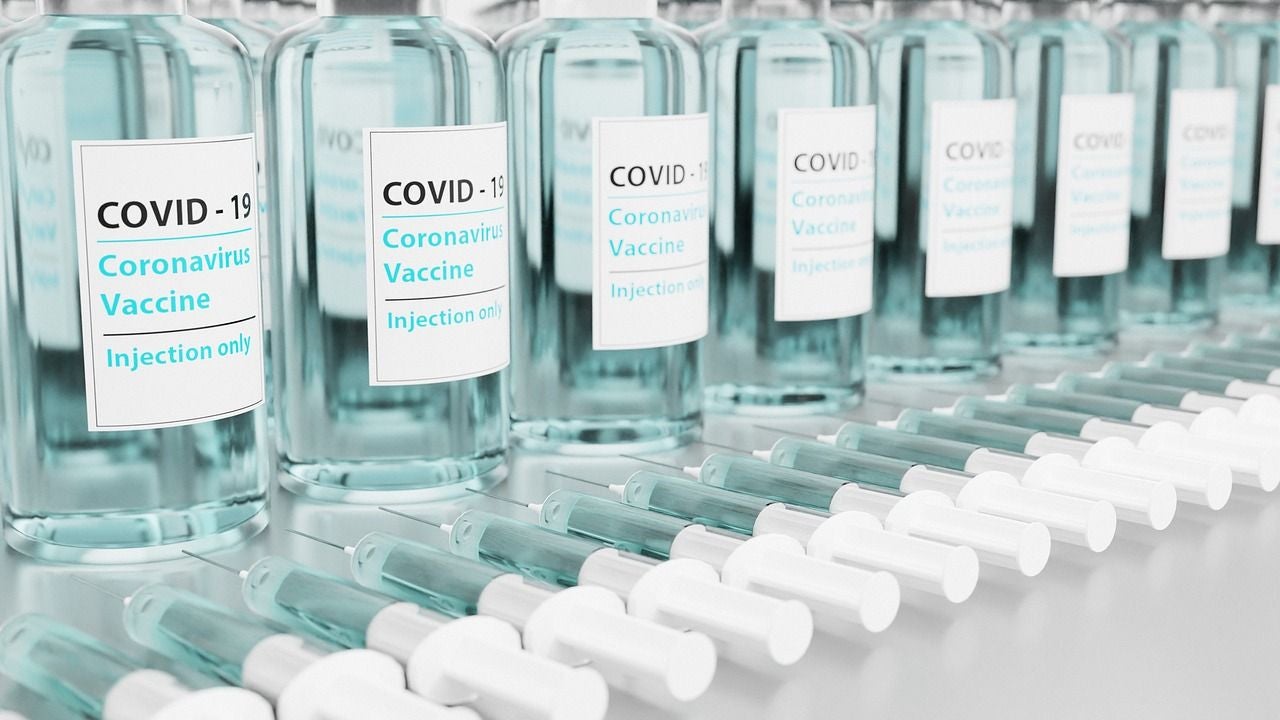
COVID-19 vaccines can cause cancer or increase the aggressiveness of existing cancers.

What the science tells us

The overwhelming body of scientific evidence indicates that COVID-19 vaccines are safe and do not cause cancer. Major health organizations and multiple studies support this conclusion.

Epidemiological Evidence:

  • A comprehensive analysis of 81 studies involving 61,532 cancer patients showed no evidence linking COVID-19 vaccines to increased cancer risk or progression.
  • National Cancer Institute and American Cancer Society Statements have stated that there is no data to suggest that COVID-19 vaccines cause cancer, make existing cancers more aggressive, or lead to cancer recurrence.

Laboratory Evidence/Supporting Evidence:

  • Clinical trials and post-vaccination monitoring have demonstrated that the mRNA vaccines (Pfizer/BioNTech and Moderna) do not contain carcinogenic substances.
  • Research shows that the vaccines are effective in generating an immune response without altering the DNA of human cells, a crucial factor that could potentially lead to cancer.

IARC Carcinogen Classification: 

Not Classified

How to reduce your risk

  • Maintain a healthy lifestyle, including a balanced diet and regular exercise, which can strengthen your immune system.
  • Continue with regular cancer screenings and check-ups as recommended by your healthcare provider.

Bottom line

COVID-19 vaccines are safe and do not cause cancer. They play a critical role in protecting individuals, especially those with cancer, from severe COVID-19 complications.

What you may have heard

Cannabis oil is a natural cure for cancer.

What the science tells us

Cannabis oil, extracted from the cannabis sativa plant, can be found in various products such as oils, roll-ons, vaping solutions, and edibles. It contains cannabidiol (CBD), which, unlike THC (another component of cannabis), does not affect the mind. Despite its growing popularity and presence in places like grocery stores and pharmacies, there is no scientific evidence supporting its ability to cure cancer.

Epidemiological Evidence:

Studies examining the relationship between cannabis use and cancer have shown mixed results.

  • Lung cancer: Cannabis smoke shares many of the same harmful substances as tobacco smoke. A study found increased lung cancer risk in tobacco smokers who also used cannabis. However, another study did not find a significant increase in lung cancer risk for low cannabis use.
  • Testicular cancer: Heavy cannabis use has been linked to a higher risk of testicular cancer. However, occasional use did not show the same correlation.
  • Bladder cancer: Some studies suggest that cannabis users have a lower risk of bladder cancer, but more extensive research is needed to confirm these findings.
  • Research on how cannabis interacts with conventional cancer treatments is limited. Some studies suggest that cannabis may reduce the effectiveness of immunotherapy treatments. For example, a study observed that cannabis use diminished the positive effects of immunotherapy.

Laboratory Evidence/Supporting Evidence:

Laboratory studies and small clinical trials have explored the potential benefits of cannabinoids for cancer patients. Some research suggests that cannabinoids may help with symptoms like nausea, vomiting, anorexia, neuropathy, anxiety, depression, and insomnia, but these findings are not conclusive.

IARC Carcinogen Classification: 

Not Classified.

How to reduce your risk

Given the risks associated with CBD oil, it is better to avoid using it, especially if you are undergoing cancer treatment. Always consult with your healthcare provider before considering CBD oil as part of your treatment plan. The FDA has not approved cannabis or cannabinoids for use as a cancer treatment. Cannabis is also not approved by the FDA for the treatment of any cancer-related symptoms or side effects of cancer therapy.

There are some concerns associated with CBD Oil:

  • Cannabis oil is very unregulated, making it difficult to know the exact content of CBD or THC in any given product. Some products have been found to contain significantly less CBD or more THC than advertised.
  • Trace amounts of THC could be present in cannabis oil, potentially affecting the mind. Cross-contamination during extraction, handling, or packaging is also a risk.
  • There have been reports of infections following the use of CBD and cannabis products, which is particularly concerning for immunocompromised patients who are more susceptible to bacterial and fungal infections.

Bottom line

While CBD oil is often promoted as a treatment for cancer and its symptoms, there is currently no scientific evidence to support these claims. It is crucial to rely on proven, conventional treatments and to discuss any use of CBD oil with your healthcare provider to avoid potential interactions with your cancer treatment.

For a related video on marijuana smoking and cancer risk, watch this short video from the Dana-Farber Cancer Institute below.

Fact Finder Tool

Discover insights, research, and information to help you navigate cancer-related topics with confidence.

952 posts available
5 categories

CLAIM: Gas stoves and the use of butane are linked to an increased risk of cancer

What you may have heard Cooking with gas stoves or using butane can release harmful chemicals into the air, potentially increasing the risk of cancer. What the science tells us Epidemiological Evidence There is substantial epidemiological evidence linking gas stove use to adverse health outcomes. For instance, a 2013 meta-analysis concluded that children living in…

Read More →

CLAIM: Genetically Modified Organisms (GMOs) cause cancer

What you may have heard Consuming genetically modified foods increases the risk of developing cancer. What the science tells us Epidemiological Evidence Laboratory Evidence/Supporting Evidence IARC Carcinogen Classification: not classified. How to reduce your risk Genetically modified foods are considered safe and are not likely to increase your risk of cancer. However, if you would…

Read More →

CLAIM: Fluoride in drinking water causes cancer

What you may have heard Fluoride, which is commonly added to drinking water to prevent tooth decay, is linked to an increased risk of cancer. What the science tells us Epidemiological Evidence: Numerous large-scale epidemiological studies have investigated the possible connection between fluoride levels in drinking water and cancer rates. Most of these studies have…

Read More →

CLAIM: Fasting can enhance cancer treatment effectiveness and reduce side effects

What you may have heard Fasting has been suggested as a beneficial practice for cancer patients, potentially improving the effectiveness of treatments and reducing their adverse effects. What science tells us Fasting, including intermittent fasting, involves periods of reduced or no-calorie intake. Emerging evidence indicates that fasting might foster conditions that limit cancer cell growth…

Read More →

CLAIM: COVID-19 vaccines cause cancer

What you may have heard COVID-19 vaccines can cause cancer or increase the aggressiveness of existing cancers. What the science tells us The overwhelming body of scientific evidence indicates that COVID-19 vaccines are safe and do not cause cancer. Major health organizations and multiple studies support this conclusion. Epidemiological Evidence: Laboratory Evidence/Supporting Evidence: IARC Carcinogen…

Read More →