Skip to content

What you may have heard

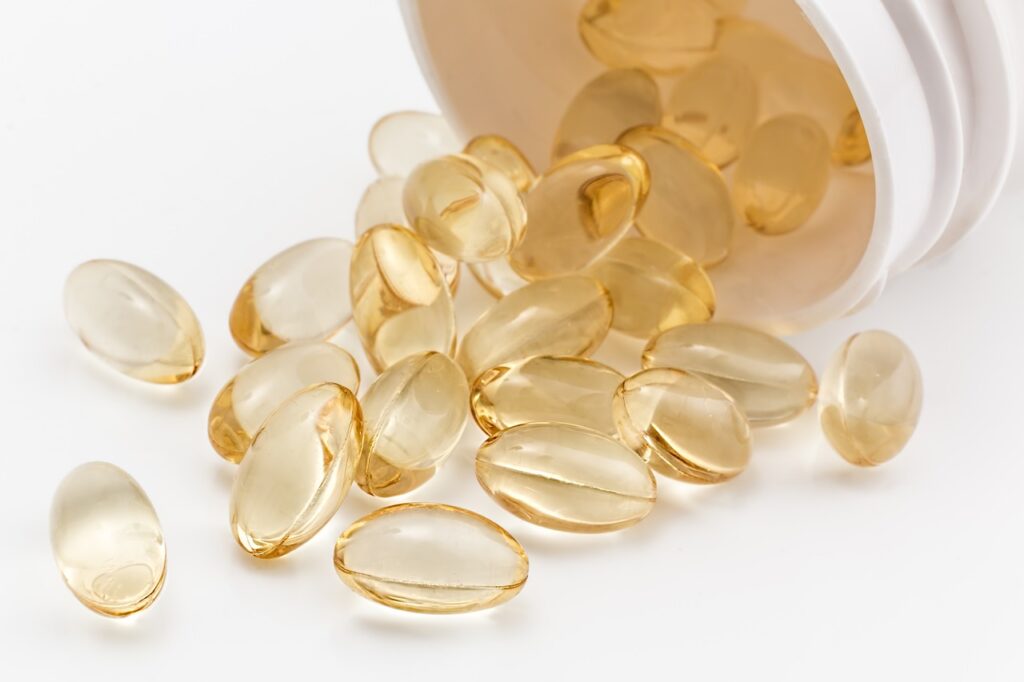
Higher levels of vitamin D can reduce cancer mortality and prevent cancer from becoming advanced.

What science tells us

Emerging research indicates that vitamin D might play a role in cancer prevention and management. However, the evidence is mixed, and further studies are needed to fully understand its impact.

Clinical Evidence

  • A study published in JAMA found that participants who took 2,000 IU of vitamin D daily for an average of 5.3 years were nearly 20% less likely to develop advanced cancer compared to those who took a placebo. The risk reduction was more pronounced (38%) among normal-weight individuals, while overweight and obese participants did not see the same benefit.

Laboratory Evidence/Supporting Evidence

  • Animal studies suggest that vitamin D can alter tumor behavior, making cancer cells less aggressive and less likely to spread. Higher vitamin D levels at the time of cancer diagnosis have been associated with longer survival in previous studies.

IARC Carcinogen Classification: not classified.

How to reduce your risk

Discuss your vitamin D levels and supplementation with your healthcare provider, particularly if you are at high risk for cancer. Maintaining adequate vitamin D levels through a balanced diet and supplements is advisable for overall health.

Bottom line

While vitamin D supplements may reduce the risk of advanced cancer, more research is needed to confirm these findings and understand the underlying mechanisms. It is not currently recommended to take high doses of vitamin D solely for cancer prevention.

To learn more about vitamin D and cancer risk, watch this video from the Dana-Farber Cancer Institute and click on the links below.


What you may have heard

Titanium dioxide, used in food and cosmetics, may cause cancer.

What science tells us

Titanium dioxide (TiO2) is a mineral used as a whitening agent and pigment in various products, including foods, cosmetics, paints, and plastics. It’s commonly found in personal care items like sunscreens, pressed powders, and loose powders, where it acts as a UV filter and whitening agent.

Titanium dioxide is potentially carcinogenic when inhaled in large amounts. The risk is primarily linked to inhalation rather than ingestion, with limited evidence on its risks when consumed in food. The FDA currently allows the use of titanium dioxide in foods and cosmetics, but continues to evaluate its safety. They have set strict guidelines, limiting its concentration to ensure it remains safe for consumers.

Epidemiological Evidence

Human studies on the cancer risk associated with titanium dioxide ingestion are inconclusive. However, concerns primarily stem from inhalation studies, where workers exposed to titanium dioxide dust showed increased risks.

Laboratory Evidence/Supporting Evidence

Animal studies have demonstrated that inhaling titanium dioxide particles can lead to respiratory cancer, particularly lung tumors. There is limited data on the risks of ingesting titanium dioxide.

IARC Carcinogen Classification:

possibly carcinogenic to humans (Group 2B) when inhaled.

How to reduce your risk

To minimize potential risks, avoid using loose powders and blushes that contain titanium dioxide, as these can easily become airborne. Also, be careful with pressed powders because they can release particles into the air when applied. Titanium dioxide is very effective in creams and lotions as a sunscreen and is considered one of the safest options. However, avoid using aerosolized (spray-on) sunscreens that contain titanium dioxide to prevent inhalation.

Bottom line

The primary risk associated with titanium dioxide is from inhalation, which can potentially cause cancer. To reduce this risk, avoid products that release titanium dioxide particles into the air, and opt for alternatives in food and cosmetics.

What you may have heard

Getting a tattoo can directly lead to cancer.

What science tells us

Epidemiological Evidence 

Several studies have explored the potential link between tattoos and cancer. For instance, researchers at Lund University in Sweden investigated the association between tattoo exposure and malignant lymphoma using data from people diagnosed with lymphoma between 2007 and 2017. The study found that tattooed individuals had a 21% higher risk of developing malignant lymphoma compared to non-tattooed individuals. However, these findings are not conclusive and further research is needed to establish a definitive link.

Laboratory Evidence/Supporting Evidence 

Laboratory tests have confirmed that many tattoo inks contain harmful substances. For example, black ink has been found to contain high levels of benzo(a)pyrene, a known carcinogen. Studies have shown that these substances can migrate from the tattoo site to lymph nodes and other parts of the body, raising potential health concerns. The Australian Government’s Department of Health, through the National Industrial Chemicals Notification and Assessment Scheme (NICNAS), reported that many tattoo inks contain polycyclic aromatic hydrocarbons (PAHs) and other hazardous components like barium, copper, and mercury.

IARC Carcinogen Classification

The IARC has classified certain chemicals found in tattoo inks as known or possible carcinogens. This includes substances like PAHs, which are present in many black inks.

How to reduce your risk

  • Choose Reputable Tattoo Parlors: Ensure the parlor follows strict hygiene practices and uses high-quality, safe inks.
  • Ask About Ink Safety: Inquire if the inks comply with safety standards such as the European ResAP(2008)1.
  • Avoid Tattoos Over Moles: Do not get tattoos over existing moles or skin abnormalities, as this can hinder the detection of skin changes.
  • Consider the Location and Size: Larger tattoos or those in sensitive areas may pose higher risks.

Bottom line

The claim that tattoos cause cancer is not definitively proven, but there are valid concerns about the potential risks associated with certain tattoo inks. It’s important to stay informed and take precautions if you choose to get tattooed. Further research is needed to fully understand the long-term health effects of tattoos.

To watch a short video on tattoos and cancer risk, click play on the video from Mt. Sinai Hospital below.

What you may have heard

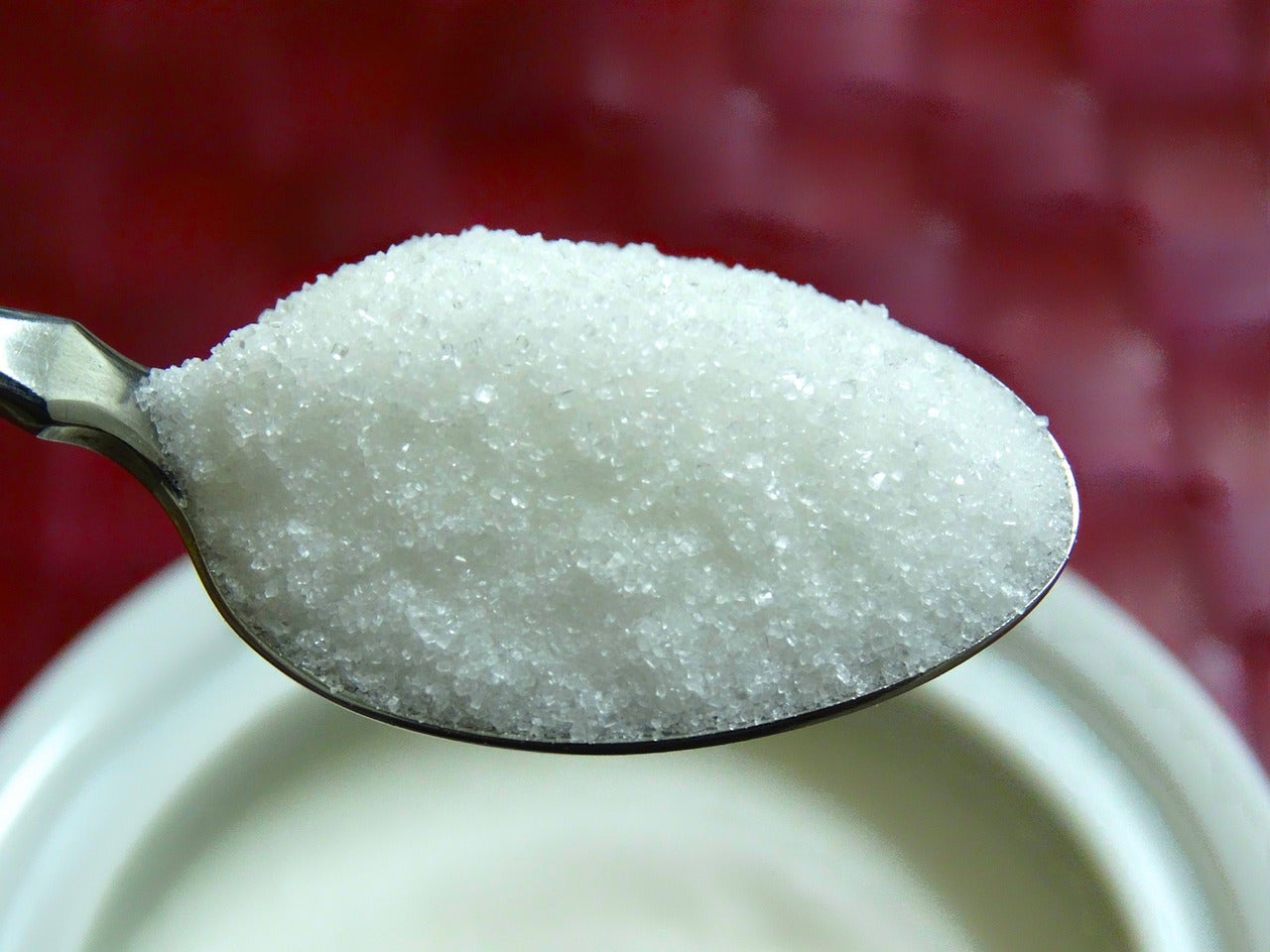
You might have heard that sugar directly feeds cancer cells and causes cancer to grow and spread more quickly.

What science tells us

Epidemiological Evidence:

Research shows that while all cells in our body, including cancer cells, use sugar (glucose) as a source of energy, sugar does not specifically “feed” cancer cells any more than it feeds healthy cells. There is no direct evidence linking sugar consumption to cancer growth. The real concern lies in high sugar intake leading to obesity, which is a known risk factor for several types of cancer, including breast, colorectal, and pancreatic cancer.

Laboratory Evidence/Supporting Evidence:

Laboratory studies have shown that cancer cells metabolize glucose differently from normal cells, a phenomenon known as the Warburg Effect. Cancer cells generate energy rapidly by bypassing their mitochondria, which is why they consume large amounts of glucose. However, this does not mean that reducing sugar intake will starve cancer cells. All cells in the body, both healthy and cancerous, require glucose to function, and there is no way to deprive cancer cells of glucose without also depriving healthy cells.

IARC Carcinogen Classification:

not classified.

How to reduce your risk

  • Choose complex carbohydrates: choose whole foods that contain complex sugars, like fruits and vegetables, which provide essential nutrients and fiber.
  • Choose Alternatives: Drink water, unsweetened tea, or sparkling water instead of sugary beverages. Use spices like cinnamon or nutmeg to add flavor without sugar.
  • Exercise Regularly: Regular physical activity helps maintain a healthy weight and reduces cancer risk.
  • Read Labels: Be mindful of hidden sugars in processed foods, such as sauces, dressings, and ready meals, by reading nutrition labels.

Bottom line

  • Sugar Does Not Feed Cancer. While cancer cells do consume more glucose, there is no way to specifically starve cancer cells of glucose without also harming healthy cells. Eliminating carbohydrates entirely from the diet is not a viable cancer treatment strategy.
  • Although sugar itself does not cause cancer, consuming high amounts of added sugars can lead to weight gain and obesity, which are risk factors for cancer. Additionally, added sugars lack the essential nutrients and benefits found in whole foods.
  • Cancer patients need adequate nutrition to support their bodies during treatment. Restrictive diets that eliminate entire food groups, including carbohydrates, can be detrimental to their health and recovery.

Watch a short video about sugar and cancer risk from the Dana-Farber Cancer Institute below.

What you may have heard

Noninvasive sound waves can break down tumors and prevent cancer from spreading without harmful side effects.

What science tells us

Histotripsy is a technique that uses targeted ultrasound waves to break down tumors. Developed at the University of Michigan, this method focuses high-energy ultrasound waves to form microbubbles within the tumor. These bubbles collapse, causing the tumor tissue to break apart without damaging the surrounding healthy tissue.

Epidemiological Evidence

The effectiveness of histotripsy in treating cancer is still under investigation. It is currently being tested in clinical trials for liver cancer in humans. Initial results are promising, but more research is needed to confirm its safety and efficacy.

Laboratory Evidence/Supporting Evidence

Lab studies on rats have shown that histotripsy can break down liver tumors and trigger an immune response that helps to eliminate remaining cancer cells and prevent recurrence. These results are encouraging, but human trials are needed to confirm these findings.

IARC Carcinogen Classification:

not classified.

How to reduce your risk

  • Follow evidence-based treatments for cancer, such as surgery, chemotherapy, radiation, and targeted therapies prescribed by medical professionals.
  • Engage in regular screenings and preventive measures, such as maintaining a healthy diet, exercising, avoiding tobacco, and limiting alcohol consumption.
  • Consult with healthcare providers before considering alternative treatments, ensuring that they are used in conjunction with, not as a replacement for, standard medical care.

Bottom line

The use of sound waves, specifically histotripsy, in cancer treatment is still under investigation. While initial studies are promising, more research is needed to confirm its safety and effectiveness in humans. Always consult with healthcare professionals and rely on evidence-based treatments for managing cancer.

What you may have heard

Soft drinks, including sugar-sweetened beverages (SSB) and artificially sweetened beverages (ASB), have been linked to an increased risk of cancer. This includes both common and rare types of cancers, with significant concern around liver cancer and breast cancer.

What the science tells us

Emerging evidence from observational studies suggests a correlation between the consumption of soft drinks and an increased risk of several types of cancer. These studies highlight the potential dangers of both sugar-sweetened and artificially sweetened beverages.

Clinical Evidence

Recent studies and meta-analyses have shown that drinking a lot of sweetened beverages can increase the risk of several types of cancer. Specifically, higher consumption of sugary drinks is linked to an increased risk of breast cancer, prostate cancer, and liver cancer. People who drink sugary drinks every day have a much higher risk of developing these cancers compared to those who consume them less frequently.

Laboratory Evidence/Supporting Evidence

  • High intake of sugar-sweetened beverages increases insulin and insulin-like growth factor 1 (IGF-1) levels, which are linked to cancer cell growth.
  • Soft drinks can increase cellular inflammation and oxidative stress, contributing to cancer development. Oxidative stress happens when there are too many harmful molecules called “free radicals” in the body, which can damage cells.
  • Regular consumption of sugary drinks can lead to systemic health issues, such as obesity, which is associated with an increased risk of cancer.

How to reduce your risk

Given the potential risks associated with soft drink consumption, here are some steps to reduce your cancer risk:

  • Reducing the intake of sugar-sweetened and artificially sweetened beverages can lower the risk of cancer.
  • Aim for healthier drink options such as water or natural fruit juices without added sugars.
  • Maintain a balanced diet rich in fruits, vegetables, whole grains, and lean proteins to support overall health and reduce cancer risk.

Bottom line

While emerging evidence suggests that the consumption of soft drinks is associated with an increased risk of various cancers, more research is needed to confirm these findings and understand the underlying mechanisms. It is advisable to limit the intake of sugary and artificially sweetened beverages and focus on maintaining a balanced diet to reduce cancer risk and support overall health.

For further information on this topic, read, “What is worse, a soda or a beer?” in the Harvard Gazette and watch “Healthy Hydration” Beverage Choices and Cancer Risk,” co-hosted by the Zhu Center for Global Cancer Prevention and the Harvard T.H. Chan School of Public Health Office of Communications.

What you may have heard

The Rife machine can cure cancer by using electromagnetic frequencies that target and destroy cancer cells.

What science tells us

The Rife machine, developed by Royal Raymond Rife in the 1920s, is a device that generates low electromagnetic energy waves, similar to radio waves. Proponents claim that these waves can target and destroy cancer cells by matching their specific frequency.

Epidemiological Evidence

There are no large-scale epidemiological studies confirming the effectiveness of Rife machines in treating cancer. Most evidence remains anecdotal and lacks scientific validation. The FDA has not approved the Rife machine for any use, and reputable organizations such as the American Cancer Society have debunked its claims.

Laboratory Evidence/Supporting Evidence

Laboratory studies have not demonstrated that the Rife machine can effectively target and destroy cancer cells. Some studies on similar electromagnetic waves suggest they might prevent some cancerous cells from growing without affecting normal cells, but these studies were conducted in labs, not on humans, and used different frequencies than the Rife machine.

IARC Carcinogen Classification:

not classified

How to reduce your risk

  • Follow evidence-based treatments for cancer, such as surgery, chemotherapy, radiation, and targeted therapies prescribed by medical professionals.
  • Engage in regular screenings and preventive measures, such as maintaining a healthy diet, exercising, avoiding tobacco, and limiting alcohol consumption.
  • Consult with healthcare providers before considering alternative treatments, ensuring that they are used in conjunction with, not as a replacement for, standard medical care.

Bottom line

The claim that Rife machines can cure cancer is false. There is no scientific evidence to support this claim, and relying on such treatments can delay effective medical care.

What you may have heard

Red Dye 3, used in foods and cosmetics, is linked to cancer.

What science tells us

Red Dye 3, also known as FD&C Red No. 3, Red Dye No. 3, and Red Dye 3, is a synthetic dye used to color foods, cosmetics, and drugs. It gives products a bright, cherry-red color. Studies have shown that Red Dye 3 can cause cancer in animals, specifically thyroid tumors.

The FDA has banned the use of Red Dye 3 in cosmetics and externally applied drugs due to its cancer risk, but it is still allowed in foods and ingested drugs. It is commonly found in candies, drinks, and some medications. In October 2023, California Governor Gavin Newsom signed a bill into law banning the use of Red Dye 3, along with three other common food additives (potassium bromate, brominated vegetable oil, and propylparaben). The California Food Safety Act takes effect in 2027, making it illegal to sell, distribute, and manufacture these additives in the state.

Epidemiological Evidence

There is limited human epidemiological evidence.

Laboratory Evidence/Supporting Evidence

Researchers found that Red Dye 3 can cause thyroid tumors in rats when consumed in high doses. This has raised concerns about its safety in humans, particularly with chronic exposure through food and medications.

IARC Carcinogen Classification:

Not classified by IARC.

How to reduce your risk

Avoid products that list Red Dye 3 as an ingredient. Look for natural alternatives and check labels on foods, especially candies, and medications.

Bottom line

Animal studies strongly suggest a cancer risk, and it’s wise to avoid Red Dye 3. Despite being banned in cosmetics, it is still present in many foods, so choosing products without this dye can help reduce potential health risks.

To learn about the Red Dye 3 and cancer risk as well as the FDA ban, watch this video from the Museum of Science in Boston.

A short releated video on food additives and cancer risk from the Dana-Farber Cancer Insitute follows.

What you may have heard

Propylparaben is a type of paraben used as a preservative and may cause cancer.

What science tells us

Propylparaben is a preservative used in foods, pharmaceuticals, and cosmetics to prevent mold and bacterial growth. Some animal studies suggest that parabens can mimic estrogen, a hormone linked to breast cancer. However, extensive research has not found strong evidence that parabens, including propylparaben, cause breast cancer in humans. The FDA considers propylparaben safe at low levels but continues to monitor its safety.

Epidemiological Evidence

The evidence on propylparaben’s cancer risk in humans is limited and inconclusive.

Laboratory Evidence/Supporting Evidence

A 2023 study found that chronic exposure to low levels of propylparaben increased breast cancer growth and spread in mice. Mice exposed to propylparaben had larger tumors and more cancer spread to their lungs compared to unexposed mice (Tong et al., 2023).

IARC Carcinogen Classification:

Not classified.

How to reduce your risk

Although it is not classified as a carcinogen, choose products labeled as paraben-free and limit exposure to cosmetics and foods containing propylparaben.

Bottom line

The evidence is not conclusive. Limiting exposure to propylparaben as a precaution is advisable.

What you may have heard

Ketogenic diets (KD), which are high in fats and low in carbohydrates, can improve cancer treatment outcomes.

What science tells us

A ketogenic diet produces ketone bodies from fats, reducing glucose and insulin levels. This might help stop cancer cells from growing and promote their death through processes like ferroptosis (a type of cell death caused by an accumulation of iron and harmful molecules that damage the cell’s membrane).

Epidemiological Evidence

Studies suggest that ketogenic diets may slow tumor growth in certain cancers by increasing cell damage and inducing cell death. They may also enhance the effectiveness of treatments like chemotherapy and radiation. However, more research is needed to confirm these findings for different types of cancer and patients.

Laboratory Evidence/Supporting Evidence

Research on mice and small human trials have shown that ketogenic diets can reduce insulin and insulin-like growth factor 1 (IGF-1) levels, which are associated with cancer cell growth. Additionally, ketogenic diets cause cancer cells to die.

However, ketogenic diets can also lead to issues like a reduction in NADPH, which weakens cell protection, and a deficiency in corticosterone, a hormone important for stress and inflammation control. These issues may worsen wasting syndrome in cancer patients.

How to reduce your risk

While ketogenic diets may offer potential benefits, they also pose significant risks. Cancer patients are already at high risk for malnutrition, and a ketogenic diet can exacerbate this, leading to weight loss, fatigue, and slower healing. The restrictive nature of ketogenic diets can make it challenging to obtain necessary nutrients, especially for patients experiencing treatment side effects like nausea and vomiting. It is crucial to maintain a balanced diet and seek advice from healthcare providers before considering a ketogenic diet. Some tips to reduce your risk follow.

  • Avoid drastic dietary changes without consulting your doctor.
  • Focus on balanced, small, frequent meals to avoid weight loss and malnutrition.
  • Ensure adequate intake of calories, protein, and fluids.
  • Limit intake of keto-friendly foods that might increase cancer risk, such as red meat.

Bottom line

While emerging evidence suggests that ketogenic diets might enhance cancer treatment by inducing mechanisms like ferroptosis and reducing insulin levels, these diets also pose significant risks such as malnutrition and long-term adverse effects. More research is needed to confirm the safety and effectiveness of ketogenic diets in cancer treatment. Until then, plant-based diets, which are associated with reduced cancer risk and improved overall health, remain the preferred dietary approach. Always consult with your healthcare provider before making any significant dietary changes, especially during cancer treatment.

Fact Finder Tool

Discover insights, research, and information to help you navigate cancer-related topics with confidence.

952 posts available
5 categories

CLAIM: Titanium dioxide (in food & cosmetics) causes cancer

What you may have heard Titanium dioxide, used in food and cosmetics, may cause cancer. What science tells us Titanium dioxide (TiO2) is a mineral used as a whitening agent and pigment in various products, including foods, cosmetics, paints, and plastics. It’s commonly found in personal care items like sunscreens, pressed powders, and loose powders,…

Read More →

CLAIM: Tattoos cause cancer

What you may have heard Getting a tattoo can directly lead to cancer. What science tells us Epidemiological Evidence  Several studies have explored the potential link between tattoos and cancer. For instance, researchers at Lund University in Sweden investigated the association between tattoo exposure and malignant lymphoma using data from people diagnosed with lymphoma between…

Read More →

CLAIM: Sugar feeds cancer

What you may have heard You might have heard that sugar directly feeds cancer cells and causes cancer to grow and spread more quickly. What science tells us Epidemiological Evidence: Research shows that while all cells in our body, including cancer cells, use sugar (glucose) as a source of energy, sugar does not specifically “feed”…

Read More →

CLAIM: Sound Waves can break down tumors and prevent cancer from spreading

What you may have heard Noninvasive sound waves can break down tumors and prevent cancer from spreading without harmful side effects. What science tells us Histotripsy is a technique that uses targeted ultrasound waves to break down tumors. Developed at the University of Michigan, this method focuses high-energy ultrasound waves to form microbubbles within the…

Read More →

CLAIM: Soft drinks may increase the risk of various cancers, including liver cancer and breast cancer

What you may have heard Soft drinks, including sugar-sweetened beverages (SSB) and artificially sweetened beverages (ASB), have been linked to an increased risk of cancer. This includes both common and rare types of cancers, with significant concern around liver cancer and breast cancer. What the science tells us Emerging evidence from observational studies suggests a…

Read More →