Skip to content

What you may have heard

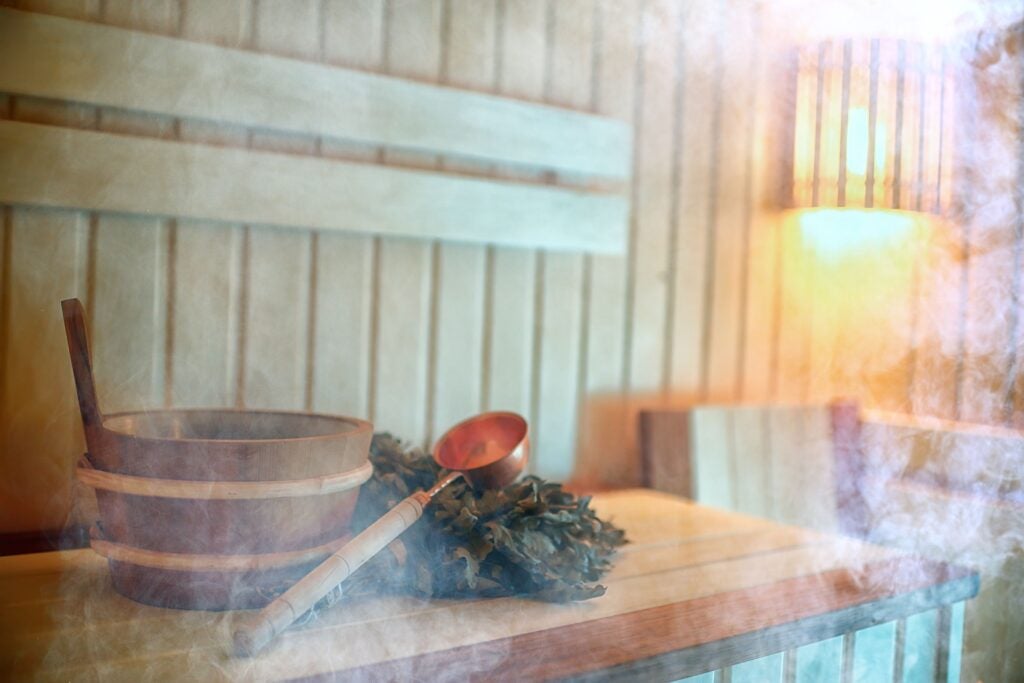
People say that using a sauna can raise your cancer risk. The worry is that repeated high heat might damage tissues and lead to cancer.

What science tells us

There is no established mechanism or agency classification linking sauna bathing itself to cancer. By contrast, drinking very hot beverages (over 65 °C) is classified by the International Agency for Research on Cancer (IARC) as probably carcinogenic due to thermal injury to the esophagus; this is not the same exposure as ambient sauna heat (IARC). 

Epidemiological Evidence

  • A Prospective cohort study with 2,173 men in Finland found that frequency of sauna bathing was not associated with all-cancer risk or site-specific (PubMed).
  • Older cohort of 4,475 men among heavy smokers only with “frequent saunas” showed higher lung cancer risk (RR 1.7); authors also reported effects of dust exposure and migration. These results are historical, limited to smokers, and prone to confounding, and they have not been confirmed in modern cohorts (PubMed).

Laboratory Evidence / Supporting Evidence

No animal or human experimental evidence shows that sauna-type heat exposure causes cancer.

IARC Carcinogen Classification

There is no IARC classification for sauna use. For relevant context, very hot beverages (>65 °C) are Group 2A (probably carcinogenic) for esophageal cancer due to thermal injury from drinking. However, this risk is a different exposure pathway from sauna air (IARC). 

How to reduce your risk

  • Follow standard sauna guidelines (limit session length, hydrate, avoid alcohol).
  • Let hot drinks cool below 65 °C to lower esophageal cancer risk from temperature, not from sauna use.

Bottom line

Current human data do not show that sauna use increases cancer risk. Large cohort evidence is null, and there is no IARC listing for saunas; the “hot temperature” risk applies to drinking very hot beverages, not to sauna bathing.


What you may have heard

Some people believe that microwave popcorn causes cancer, especially because of chemicals once used in the bags or artificial butter flavoring.

What science tells us

Microwave popcorn itself is not linked directly to cancer. Concerns have focused on older packaging materials that contained PFAS and butter flavorings that contained a chemical called diacetyl. Most popcorn brands no longer use these ingredients.

Epidemiological Evidence

  • A 2019 study using National Health and Nutrition Examination Survey (NHANES) data found that regular microwave popcorn consumption was linked to significantly higher blood levels of several PFAS chemicals, likely due to chemicals from the bag transferring onto the popcorn. In contrast, eating food prepared at home was associated with lower PFAS levels. The findings support concerns about PFAS exposure from food packaging and suggest the need for safer alternatives in food-contact materials (PMID: 31596611).
  • A 2020 study found that eating microwave popcorn was linked to significantly higher blood levels of four PFAS chemicals, likely due to PFAS in popcorn bags (PMID: 32463326).

Laboratory Evidence / Supporting Evidence

  • PFAS chemicals used in popcorn bags were phased out starting in the mid-2000s. The FDA no longer allows certain long-chain PFAS in food-contact materials. Current exposure levels from microwave popcorn are expected to be low (FDA).

IARC Carcinogen Classification

Group

PFAS chemicals such as PFOA are not classified by IARC but are considered “likely carcinogens” by the U.S. EPA.

How to reduce your risk

  • Choose microwave popcorn labeled as PFAS-free.
  • Use air-popped or stovetop popcorn with minimal oil.
  • Limit other sources of PFAS in your diet and environment (like fast food wrappers or nonstick cookware).

Bottom line

There’s no strong evidence that microwave popcorn causes cancer. Older products contained chemicals that raised concern, but most brands have since removed them. Choosing PFAS-free popcorn and preparing it at home can reduce exposure.

Check out these recipes from the Boston Medical Center Teaching Kitchen for popping corn on your stovetop and mixing flavorful toppings.

What you may have heard

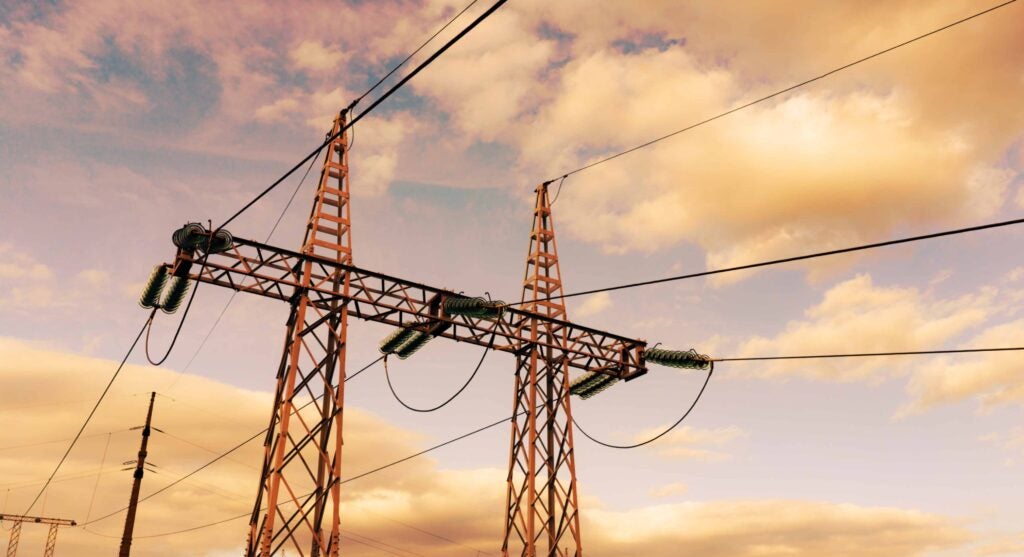
Some people believe that living near high-voltage power lines can cause cancer, especially childhood leukemia. Concerns center on the electromagnetic fields (EMFs) that these lines emit.

What science tells us

High-voltage lines emit extremely low-frequency EMFs (ELF-EMFs), a weaker form of radiation. This type of radiation is not strong enough to harm or break DNA, unlike ionizing radiation such as X-rays. Breaking DNA matters because damaged DNA can sometimes lead to uncontrolled cell growth, which is the basis of cancer. Because ELF-EMFs are common in daily life, researchers have examined whether they might influence cancer risk in other ways (NCI)

Epidemiological Evidence

  • A 2023 case-control study found that children living within 100 meters of high-voltage power lines had twice the odds of developing leukemia compared to those living more than 400 meters away (PMID: 37271435).
  • The American Cancer Society reports that while some studies show a slight increase in childhood leukemia risk with EMF exposure, other studies do not, and no clear cause-and-effect relationship has been established (ACS).
  • A large 2013 case-control study in England and Wales found no clear links between living near high-voltage power lines and adult cancers, including leukemia, brain tumors, melanoma, or breast cancer (PMID: 23337237).

Laboratory Evidence / Supporting

Lab studies show that ELF-EMFs do not directly damage DNA. There’s some discussion about whether this radiation could lead to low-level effects, like cell stress or inflammation, but these effects have not been clearly linked to cancer in humans (NCI). 

IARC Carcinogen Classification

Group 2B – Possibly carcinogenic to humans
This means there is limited evidence in humans (mainly for childhood leukemia) and inadequate evidence in animals. It does not mean that EMFs definitely cause cancer (NCI). 

How to reduce your risk

There’s no strong evidence that living near power lines increases cancer risk. But if you’re concerned, some advice follows.  

  • Avoid building homes or schools very close (within 50 meters) to high-voltage power lines.
  • Workers in utility or electrical jobs should follow safety guidelines, including limiting time near strong EMF sources established (ACS).

Bottom line

Some studies suggest a possible link between EMF exposure from high-voltage power lines and childhood leukemia. But other studies show no association, and no consistent pattern has emerged. Major public health agencies agree that the evidence is limited, and more research is needed.

What you may have heard

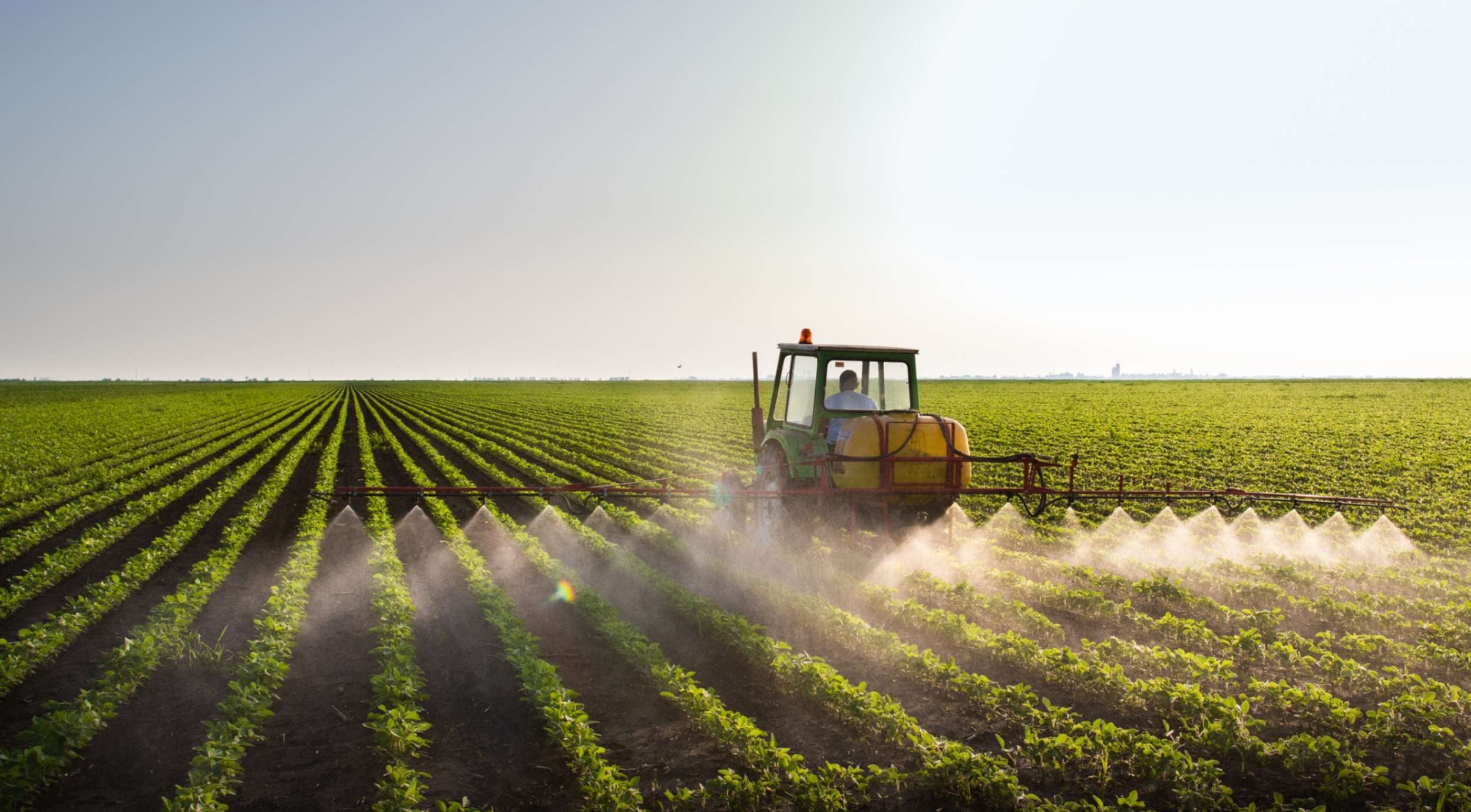
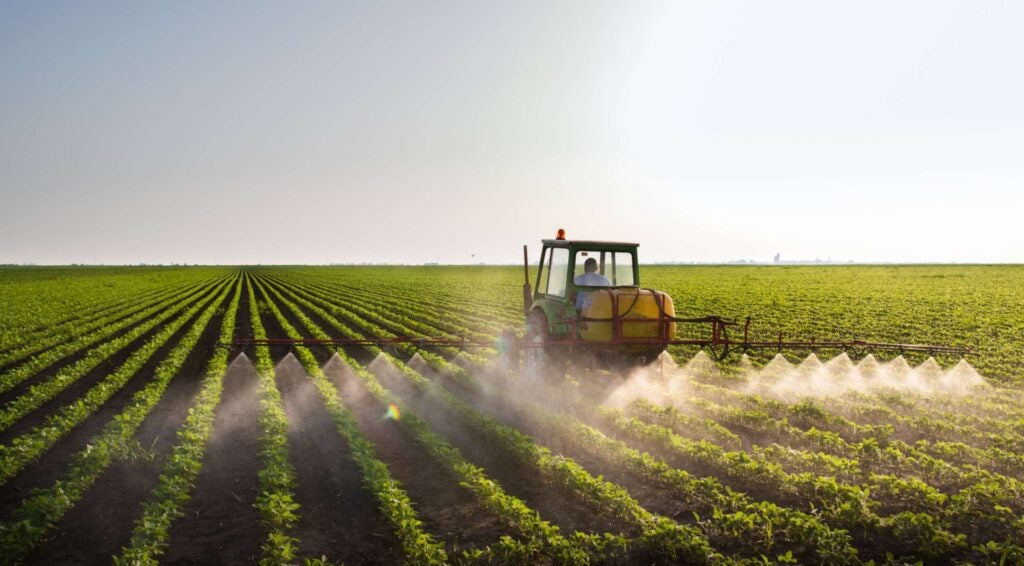
Glyphosate, the main ingredient in the herbicide Roundup, has been called a potential cancer-causing chemical. Some lawsuits and media coverage have claimed that people exposed to glyphosate developed cancer, especially non-Hodgkin lymphoma. This has led to confusion and concern about whether glyphosate causes cancer in humans.

What science tells us

Glyphosate is one of the most commonly used herbicides worldwide. It’s used on major crops like corn and soybeans and can be found in trace amounts in food, air, and water (EPA). Because of how widely it is used, researchers have studied glyphosate for decades to understand its possible effects on cancer risk. Although some studies have found a potential link between glyphosate and non-Hodgkin lymphoma, especially in high-exposure populations, others have not. Government agencies and international research groups have reached different conclusions about whether glyphosate causes cancer, which has made this issue difficult to settle.

Epidemiological Evidence

  • The U.S.-based Agricultural Health Study, which followed over 50,000 licensed pesticide applicators for more than two decades, found no association between glyphosate use and overall cancer risk or non-Hodgkin lymphoma (JNCI).
  • A 2019 meta-analysis found that individuals with the highest cumulative glyphosate exposure had a 41% increased risk of non-Hodgkin lymphoma compared to those with the lowest exposure (PMID: 31292884). However, the authors noted that some of the studies had limitations, such as relying on people to remember past exposures, which can be inaccurate, and including too few participants to draw strong conclusions.
  • These mixed results have made it difficult for scientists to reach a consensus on whether glyphosate increases cancer risk in humans.

Laboratory Evidence / Supporting Evidence

  • The International Agency for Research on Cancer (IARC) cited animal studies showing that glyphosate exposure caused tumors in mice and rats. These included increases in rare tumors, such as kidney and skin tumors, at high doses (IARC).
  • Laboratory studies also found that glyphosate can cause cell and DNA damages in human cells at high concentrations (ESE).
  • However, the U.S. EPA concluded that glyphosate is “not likely to be carcinogenic to humans” at expected exposure levels, pointing out that the doses used in many animal studies are much higher than what most people would experience (EPA).

IARC Carcinogen Classification:

Group 2A – Probably carcinogenic to humans
This classification comes from a mix of findings, such as only limited evidence in people, clear evidence in animals, and lab studies showing cell and DNA damage.

How to reduce your risk

If you’re concerned about glyphosate exposure, consider avoiding glyphosate-based products in your garden or yard. Instead, pull weeds by hand every couple of weeks before they establish deep roots (NC State). Flame weeders, which briefly heat plants to kill them, are a chemical-free option for cracks and gravel areas, while steam or hot-foam methods are safer in flammable settings, though they require caution to prevent burns (NC State). If you work in agriculture or landscaping, use protective gear like gloves, long sleeves, and eye protection when handling herbicides (EPA).

Bottom line

Some studies suggest that high glyphosate exposure may be linked to non-Hodgkin lymphoma, but large long-term studies have not consistently supported this. Animal and lab studies suggest it’s possible that glyphosate could affect cancer risk, but those results don’t always apply to people.

What you may have heard

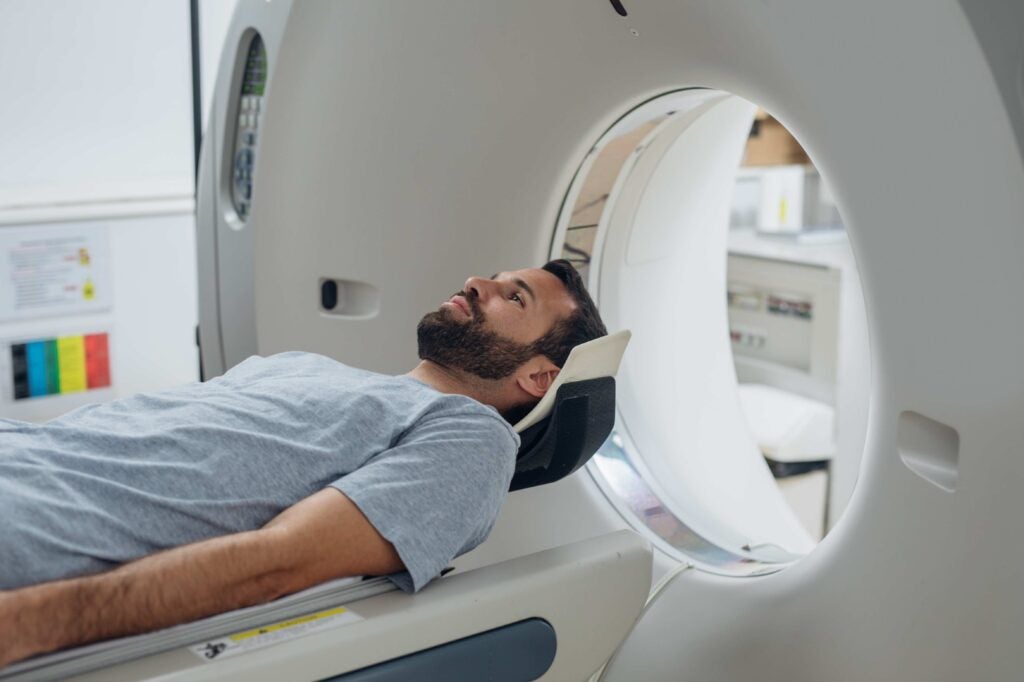
Some people believe that getting CT scans can increase the chance of developing cancer. They point to the higher radiation dose from CT scans compared to regular X-rays as a reason for concern.

What science tells us

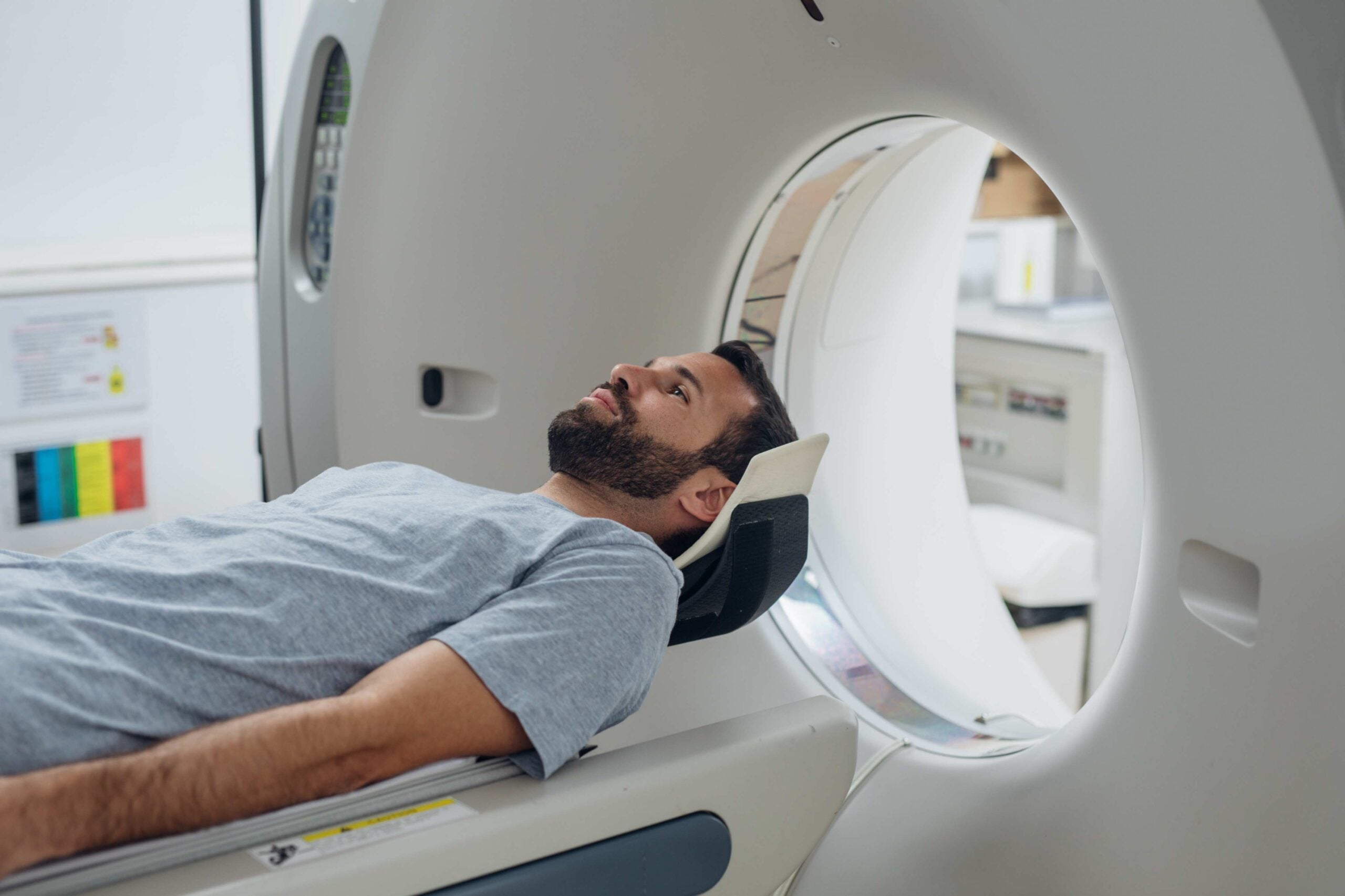
CT scanners use ionizing radiation, which can damage DNA. While most cells repair this damage, errors may remain and could eventually lead to cancer. Major health organizations acknowledge these risks, especially for children and repeat scans, though CT remains essential for diagnosing many conditions (Harvard).

Epidemiological Evidence

  • A meta‑analysis of 111 million adults found a notable increase in cancer risk tied to CT scans, especially with higher doses or repeat scans (PubMed).
  • A Canadian study showed that children receiving four or more CT scans before age six had significantly higher cancer risk (PubMed).
  • A large international study published in Nature Medicine (2023) found that each 10,000 childhood CT scans were associated with about 1–2 extra blood cancer cases in the 12 years following exposure (PubMed).

Laboratory Evidence / Supporting

CT scans have been shown to cause detectable DNA damage, specifically double-strand breaks, in patients’ blood cells (PubMed).

IARC Carcinogen Classification

There is no direct IARC classification for CT scanning. However, ionizing radiation is known to be carcinogenic to humans (IARC).

How to reduce your risk

  • Ask medical professionals if the scan is medically necessary.
  • Request low-dose protocols when possible, especially for children.
  • Use alternatives like MRI or ultrasound when appropriate.
  • Avoid whole-body CT scans without clear clinical need.

Bottom line

CT scans expose patients to higher radiation than X-rays and are linked to increased cancer risk, particularly in children and with repeated exposure. While benefits often outweigh risks when medically appropriate, minimizing unnecessary scans helps reduce potential harm.

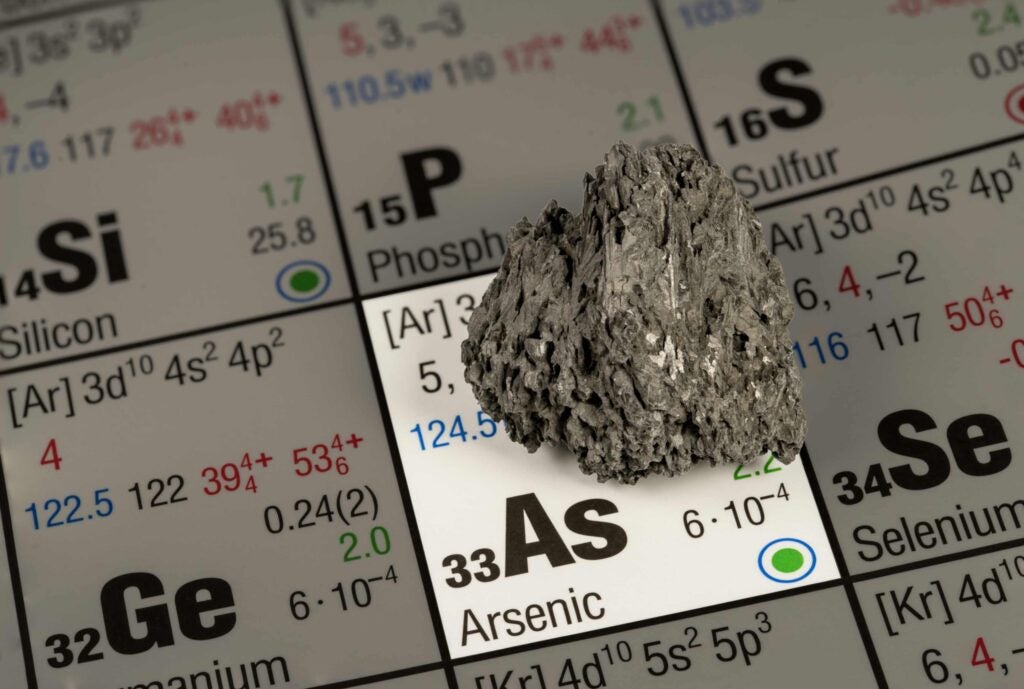
What you may have heard

People often worry that arsenic exposure, especially through contaminated drinking water, can cause cancer. That concern comes from studies showing higher cancer rates in areas with high arsenic levels.

What science tells us

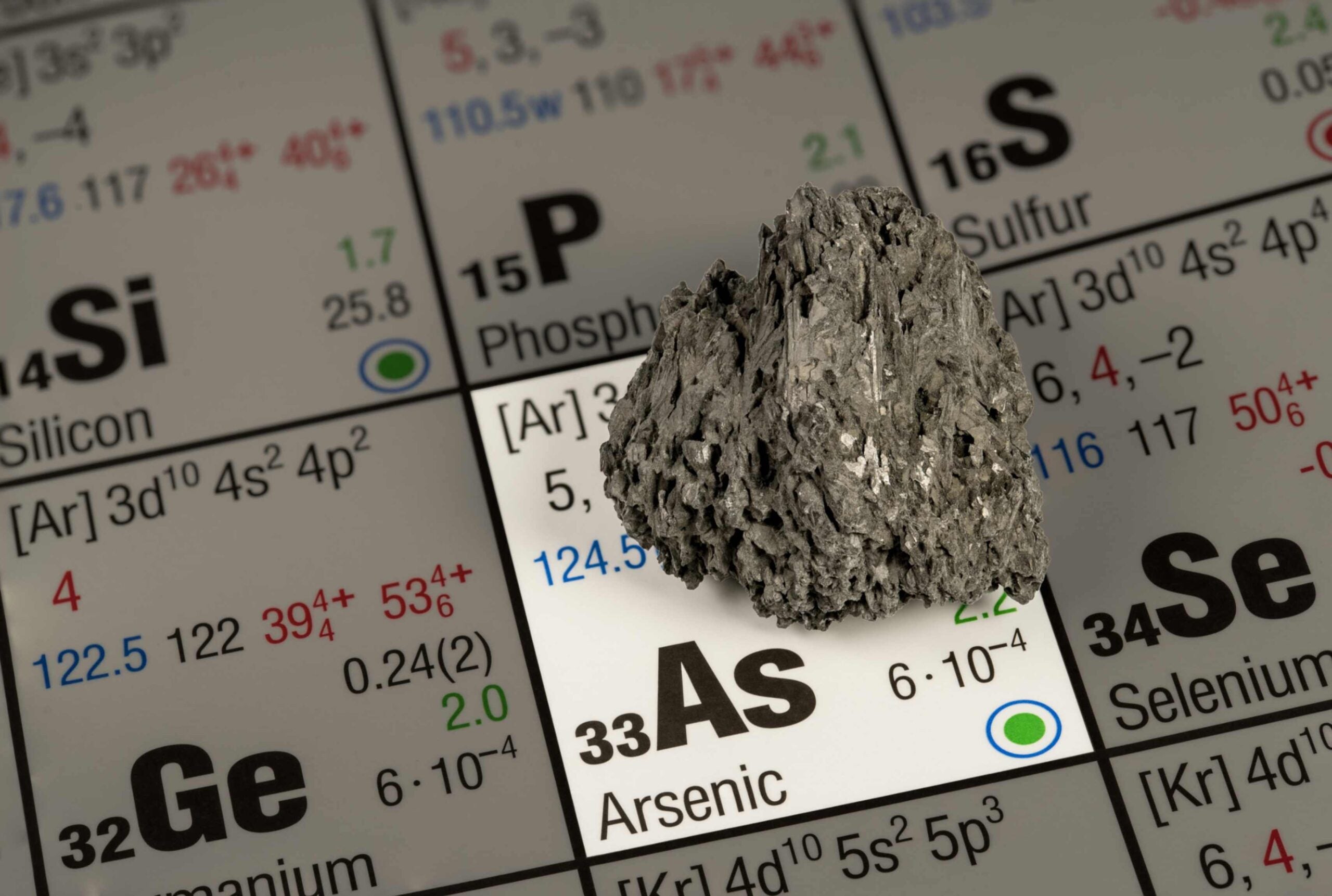
Inorganic arsenic compounds, including those found in contaminated water and occupational settings, are classified by IARC as Group 1 carcinogens, which means there is sufficient evidence they cause cancer in humans. Major agencies such as the U.S. Environmental Protection Agency (EPA), National Toxicology Program (NTP), and National Cancer Institute (NCI) also recognize arsenic as carcinogenic based on robust human data (ACS) (IARC).

Epidemiological Evidence

  • Large-scale human studies consistently show that long-term ingestion of arsenic-contaminated water is associated with increased risks of skin, bladder, and lung cancers. Researchers in Bangladesh and Taiwan have reported strong dose-response relationships; for example, Taiwanese villages with well water above 10 µg/L had significantly elevated bladder cancer rates, sometimes with risks doubling or more. (PubMed)
  • In occupational settings, such as tin miners in China exposed to airborne arsenic, lung cancer risk was dramatically higher, by as much as 20-fold, among workers with long-term exposure. (PubMed)

Laboratory Evidence / Supporting

Animal and mechanistic studies support the human data. Inorganic arsenic exposure in rodents causes cancer in the skin, bladder, and urinary tract, especially when combined with other carcinogens. Arsenic is also known to interfere with DNA repair and to promote oxidative stress, which are key mechanisms in carcinogenesis. (NLM)

IARC Carcinogen Classification

IARC classifies arsenic and inorganic arsenic compounds as Group 1 – Carcinogenic to humans based on sufficient evidence from human and animal studies. This includes cancers of the lung, bladder, and skin, with limited evidence for liver, kidney, and prostate cancers (IARC).

How to reduce your risk

  • People should test private wells and use treatment systems or bottled water if arsenic levels exceed safety standards such as 10 µg/L, the U.S. guideline.
  • Regulatory agencies and public health advocates should prioritize clean water access in affected areas. Occupational safeguards like respiratory protection and exposure limits are also essential.

Bottom line

There is clear and consistent evidence that inorganic arsenic causes cancer in humans, particularly of the skin, bladder, and lung. Controlling exposure, especially through drinking water, is a key public health priority.

What you may have heard

Some athletes and parents have raised concerns that playing on artificial turf, especially turf with crumb rubber infill made from recycled tires, may increase the risk of developing cancer. Media reports and anecdotal clusters of illness have contributed to public concern.

What science tells us

Artificial turf contains materials that can include polycyclic aromatic hydrocarbons (PAHs), heavy metals, and other potentially hazardous substances (MDPH). These chemicals have been linked to cancer in other contexts, but the question of whether playing on artificial turf causes cancer remains unresolved.

Epidemiological Evidence

  • A 2023 review of global studies found that most epidemiological research on artificial turf and cancer is limited and inconsistent. The review concluded there is no clear evidence of increased cancer risk, but also highlighted the poor quality of existing studies and the need for more rigorous research (PMID: 39982256).
  • A 2018 ecological study of over 7,000 lymphoma cases among 14- to 30-year-olds in California found no association between county-level synthetic turf field density and lymphoma incidence across race, sex, or income subgroups (PMID: 29427968).

Laboratory Evidence / Supporting

  • A 2019 Dutch study analyzed rubber granulate from 100 synthetic turf fields and found several carcinogenic substances, but estimated exposures for polycyclic aromatic hydrocarbons (PAHs), phthalates, and metals were below health concern thresholds, suggesting no meaningful cancer risk from playing on these fields (PMID: 30568187).

IARC Carcinogen Classification

Artificial turf itself has not been evaluated by the International Agency for Research on Cancer (IARC). However, some chemicals commonly found in crumb rubber, such as benzene and certain PAHs, are classified by the IARC as Group 1 (carcinogenic to humans) or Group 2B (possibly carcinogenic to humans).

How to reduce your risk

If you are concerned about artificial turf exposure:

  • avoid eating or drinking directly on the field;
  • wash hands and exposed skin after playing;
  • change clothes and clean shoes after play; and
  • support alternative infill materials (e.g., cork, sand) when available.

Bottom line

Artificial turf contains several chemicals known to be hazardous in other settings, but current evidence does not show a clear link between turf exposure and cancer. More well-designed, long-term studies are needed to clarify any potential risks.

What you may have heard

Herbal products containing Aristolochia (or related plants) can cause cancer. People worry because these products have been linked to kidney damage and cancers of the urinary tract.

What science tells us

Aristolochic acids are naturally occurring compounds in some Aristolochia species. Major agencies classify Aristolochic acids as human carcinogens, and they’re also potent kidney toxins; exposure occurs mainly through certain herbal products and, in some regions, contaminated foodstuffs (NIH).

Epidemiological Evidence

  • Based on nationwide studies in Taiwan, Aristolochic acid exposure from specific Chinese herbal products is strongly associated with upper tract urothelial carcinoma (PubMed).
  • During the Belgium outbreak in the 1990s, women given slimming pills later identified to contain Aristolochic acids developed severe nephropathy and had high subsequent risk of urothelial cancer (PubMed).

Laboratory Evidence / Supporting Evidence

Aristolochic acids forms specific DNA adducts and produces a distinctive mutational signature in human tumors.

IARC Carcinogen Classification

Group 1 – Carcinogenic to humans

How to reduce your risk

  • Do not use herbal products that list Aristolochia or related species; avoid products of uncertain origin.
  • Check FDA alerts and avoid any supplements flagged for Aristolochic acid contamination.

Bottom line

Human studies, molecular evidence, and global experience all point to aristolochic acids as causes of urothelial cancers, with clear risk reduction after exposure bans.

What you may have heard

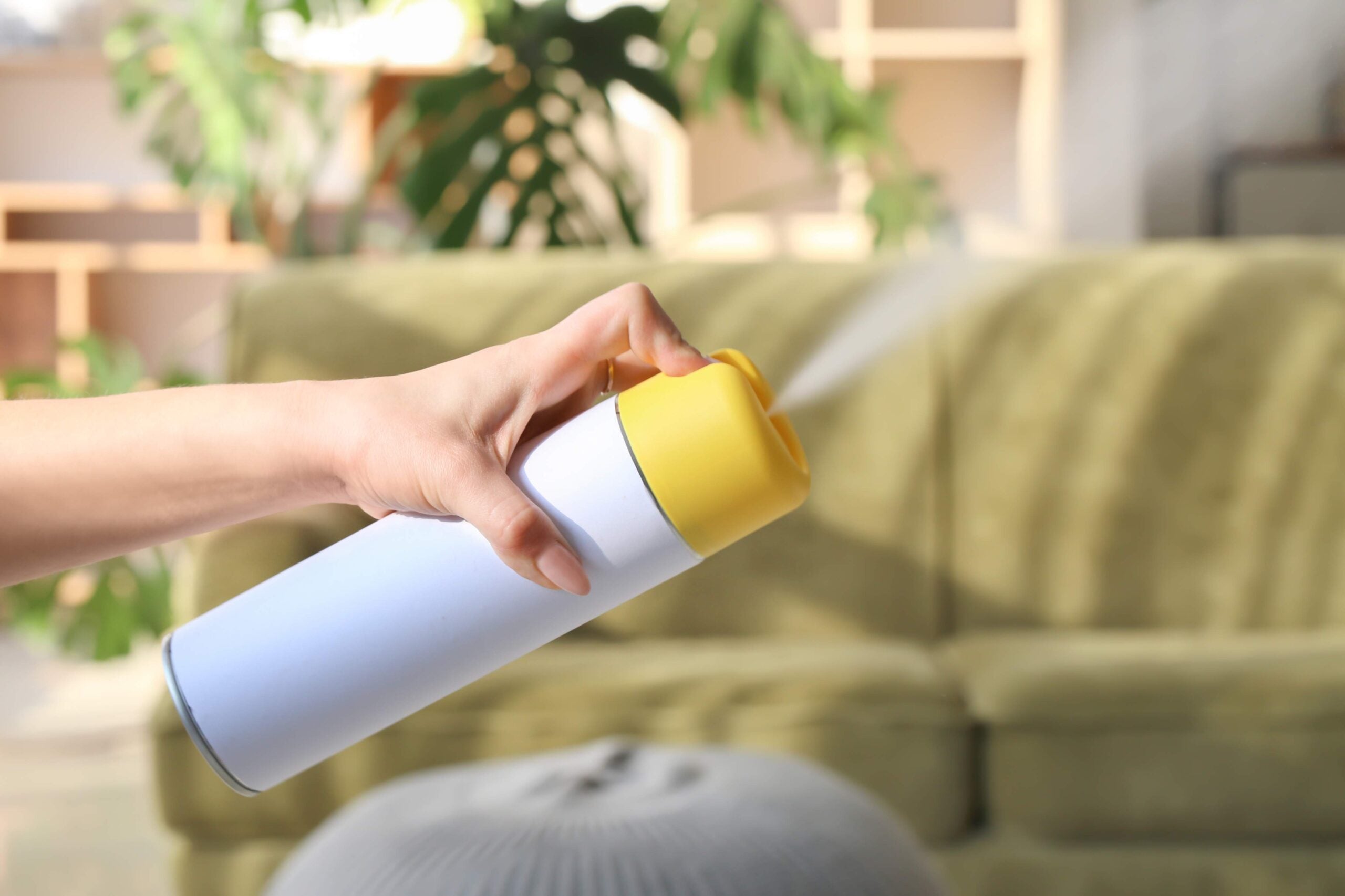
People say that using air fresheners at home can raise cancer risk. The concern is that these products release chemicals like VOCs, formaldehyde, and 1,4-dichlorobenzene (EPA). 

What science tells us

Air fresheners and other fragranced products emit VOCs. Some VOCs found indoors, including formaldehyde and benzene, are classified by major agencies as human carcinogens. 1,4-dichlorobenzene is “reasonably anticipated to be a human carcinogen.” That said, air fresheners as a category are not classified by IARC, and indoor levels vary widely by product and ventilation (EPA).

Epidemiological Evidence

  • U.S. population–based case–control study (Cape Cod) reported higher breast cancer odds among women in the top category of cleaning product and air freshener use. However, authors note possible recall bias (PubMed).
  • Children’s Oncology Group case–control study linked maternal use of household chemicals during pregnancy with infant leukemia. While not specific to air fresheners, categories included deodorizing/cleaning agents (PubMed).
  • Some studies that look at populations or measure indoor exposures have reported possible links between formaldehyde in homes and leukemia, but research in the general population is still limited and the findings do not line up. (PubMed).

Laboratory Evidence / Supporting

Product testing shows air fresheners and other fragranced goods emit dozens to hundreds of VOCs, including formaldehyde precursors and 1,4-dichlorobenzene (PubMed). 

IARC Carcinogen Classification: No IARC classification for air fresheners as a product class, but:

  • Formaldehyde: Group 1 (carcinogenic to humans)
  • Benzene: Group 1 (carcinogenic to humans)

How to reduce your risk

  • Choose fragrance-free products when possible, improve ventilation, and limit use to brief periods.
  • Avoid products with 1,4-dichlorobenzene; check labels for “paradichlorobenzene,” “p-DCB,” or “deodorizer.”
  • Try options that do not involve burning anything, such as opening windows, using HEPA filters with activated carbon, or reducing the source of the smell.

Bottom line

Some studies link heavy use of air fresheners and similar household chemicals with higher cancer risk, but the evidence is limited and not specific enough to confirm a causal link. The safer approach is to minimize fragrance use, ventilate well, and choose fragrance-free products.

What you may have heard

You might have heard that eating moldy grains or nuts can increase your cancer risk. This concern is often linked to something called aflatoxins, toxic substances produced by certain types of mold, especially in warm and humid regions.

What science tells us

Aflatoxins are naturally occurring toxins made by Aspergillus flavus and Aspergillus parasiticus, fungi that grow on improperly stored food such as maize, peanuts, and tree nuts. Aflatoxin B1, the most toxic form, is one of the most potent liver carcinogens known. Risk is highest in countries with limited food safety controls, but low-level contamination can also occur globally.

Epidemiological Evidence

  • A 2020 review of epidemiological studies found strong evidence linking aflatoxin exposure to liver cancer, particularly in people with hepatitis B infection. Most data come from high-risk populations in sub-Saharan Africa and South Asia, where exposure is common due to poor food storage and limited regulation (PMID: 32231900).
  • A 2012 meta-analysis of 17 studies estimated that aflatoxin exposure accounts for 17–23% of liver cancer cases in high-exposure regions, with higher risk among people with hepatitis B infection. The combined effect of aflatoxin and HBV showed a 73-fold increased risk of liver cancer (PMID: PMC3374897)

Laboratory Evidence / Supporting Evidence

Aflatoxins can damage DNA, including a key gene called TP53 that helps control cell growth. This type of DNA damage is often seen in liver cancers linked to aflatoxin. Animal studies repeatedly show liver tumors after exposure, and aflatoxin B1 is often used in research to understand how chemicals can lead to cancer.

IARC Carcinogen Classification:

Aflatoxin B1: Group 1 – Carcinogenic to humans

How to reduce your risk

  • Avoid eating visibly moldy or bitter-tasting nuts and grains.
  • Buy from sources that follow proper storage and food safety standards.
  • Support policies and programs that promote aflatoxin screening and grain drying technologies, especially in high-risk regions.
  • If you live in an area where hepatitis B is common, getting the HBV vaccine can lower the combined risk from hepatitis B and other liver cancer factors.

Bottom line

There is clear evidence that aflatoxins, especially aflatoxin B1, cause liver cancer in humans. Risk is especially high when combined with hepatitis B infection. Food safety measures can significantly reduce exposure.

Fact Finder Tool

Discover insights, research, and information to help you navigate cancer-related topics with confidence.

952 posts available
5 categories

CLAIM: Using a sauna causes cancer

What you may have heard People say that using a sauna can raise your cancer risk. The worry is that repeated high heat might damage tissues and lead to cancer. What science tells us There is no established mechanism or agency classification linking sauna bathing itself to cancer. By contrast, drinking very hot beverages (over…

Read More →

CLAIM: Microwave popcorn causes cancer

What you may have heard Some people believe that microwave popcorn causes cancer, especially because of chemicals once used in the bags or artificial butter flavoring. What science tells us Microwave popcorn itself is not linked directly to cancer. Concerns have focused on older packaging materials that contained PFAS and butter flavorings that contained a…

Read More →

CLAIM: Glyphosate causes cancer

What you may have heard Glyphosate, the main ingredient in the herbicide Roundup, has been called a potential cancer-causing chemical. Some lawsuits and media coverage have claimed that people exposed to glyphosate developed cancer, especially non-Hodgkin lymphoma. This has led to confusion and concern about whether glyphosate causes cancer in humans. What science tells us…

Read More →

CLAIM: CT scans cause cancer

What you may have heard Some people believe that getting CT scans can increase the chance of developing cancer. They point to the higher radiation dose from CT scans compared to regular X-rays as a reason for concern. What science tells us CT scanners use ionizing radiation, which can damage DNA. While most cells repair…

Read More →

CLAIM: Arsenic causes cancer

What you may have heard People often worry that arsenic exposure, especially through contaminated drinking water, can cause cancer. That concern comes from studies showing higher cancer rates in areas with high arsenic levels. What science tells us Inorganic arsenic compounds, including those found in contaminated water and occupational settings, are classified by IARC as…

Read More →

CLAIM: Aristolochic Acids Cause Cancer

What you may have heard Herbal products containing Aristolochia (or related plants) can cause cancer. People worry because these products have been linked to kidney damage and cancers of the urinary tract. What science tells us Aristolochic acids are naturally occurring compounds in some Aristolochia species. Major agencies classify Aristolochic acids as human carcinogens, and…

Read More →

CLAIM: Air fresheners cause cancer

What you may have heard People say that using air fresheners at home can raise cancer risk. The concern is that these products release chemicals like VOCs, formaldehyde, and 1,4-dichlorobenzene (EPA).  What science tells us Air fresheners and other fragranced products emit VOCs. Some VOCs found indoors, including formaldehyde and benzene, are classified by major…

Read More →

CLAIM: Aflatoxins cause cancer

What you may have heard You might have heard that eating moldy grains or nuts can increase your cancer risk. This concern is often linked to something called aflatoxins, toxic substances produced by certain types of mold, especially in warm and humid regions. What science tells us Aflatoxins are naturally occurring toxins made by Aspergillus…

Read More →